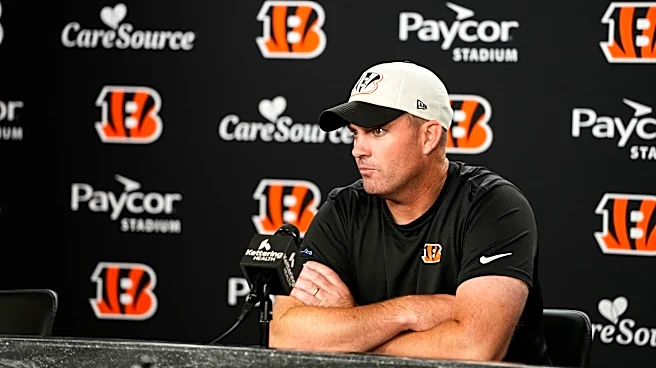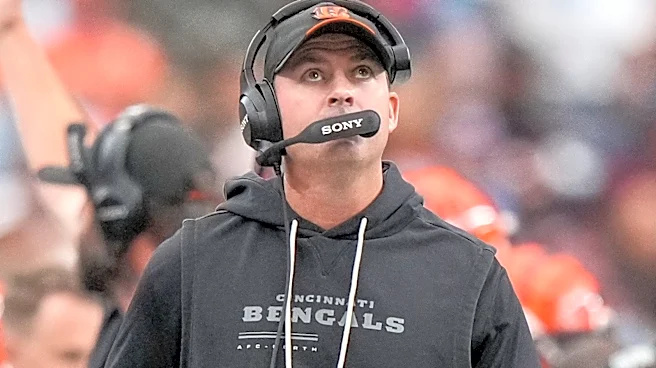


Cincinnati Bengals defensive coordinator Al Golden was hesitant to assign a specific identity and defining characteristic to his defense. Two games isn't enough for a sweeping, top-to-bottom assessment, he indicated.
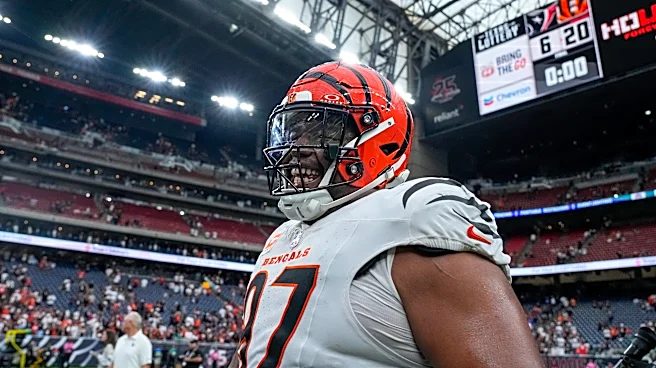
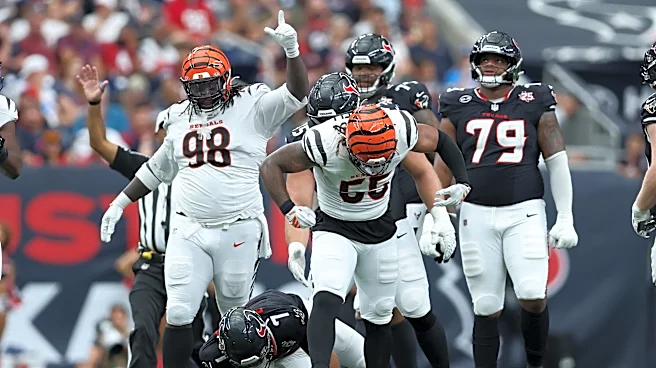
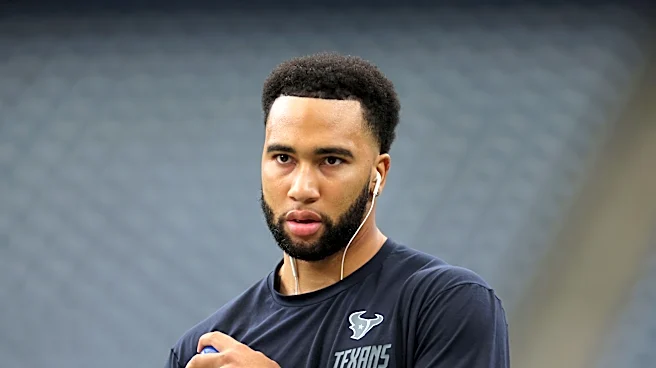
Golden could very well latch onto the team's pass rushing display in the Sept. 20 win against the Houston Texans if he wanted to. After all, the pass rush and pressuring Texans quarterback CJ Stroud was a central theme in the 20-6 win, and a strength that's shown up on tape in both of Cincinnati's games.
According to NextGenStats, the Bengals recorded a 43.5% pressure rate during the game at Houston, marking the highest such rate since Golden became Cincinnati' defensive coordinator ahead of the 2025 season.

The Bengals had 41 combined
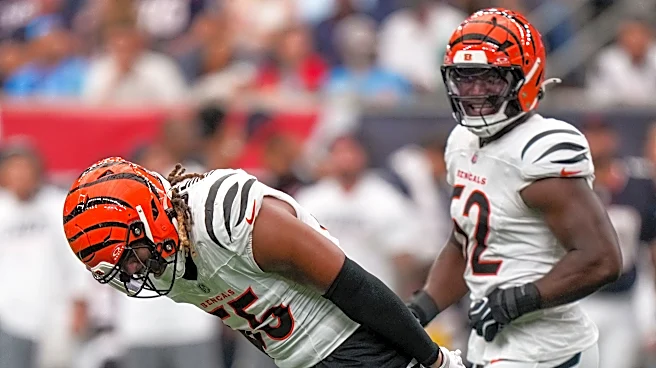
quarterback pressures − a significant uptick compared to the per-game average during head coach Zac Taylor's tenure. Five individual players had at least four pressures, including Jonathan Allen (seven), Boye Mafe (seven), Cedric Johnson (six), Cashius Howell (five) and Dexter Lawrence (four).
Johnson had a pass rush win rate of 26%, according to Pro Football Focus, while Mafe's win rate was 20%.
"We’re definitely proud as a whole defense, especially after last year and the flaws that we had on defense to where we are this year," said Howell, a rookie second-round draft pick. "Obviously, we wanted to be as intentional as we possibly could. … We’re very hyped this year to see that things have changed."
Cincinnati finished the game with four sacks and seven quarterback hits. The push generated by the pass rush also helped produce eight tackles-for-losses.
"It makes it tougher on the offensive line, especially when we’ve got the type of guys that we’ve got," Howell said. "The thing about our defensive line that I feel kind of separates us is we have a lot of different types of rushers and a lot of different body types and different types of ways that guys can get to the quarterback."

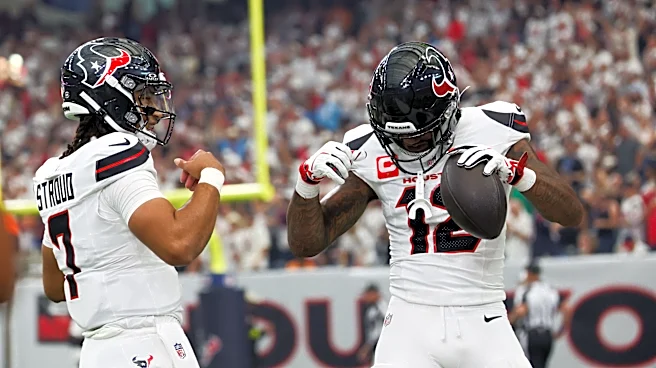
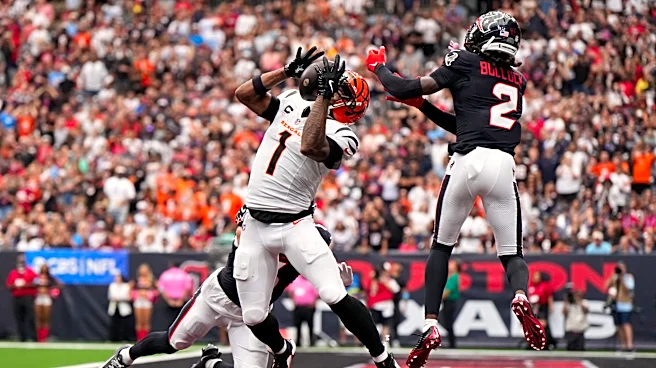
After the Bengals' defensive front stymied Houston's run game in the first half, the Texans relied heavily on their passing game even though they were without key receivers due to injury. Stroud was 30-of-55 passing for 353 yards, but he couldn't find the end zone, which was partly a credit to the pass rush.
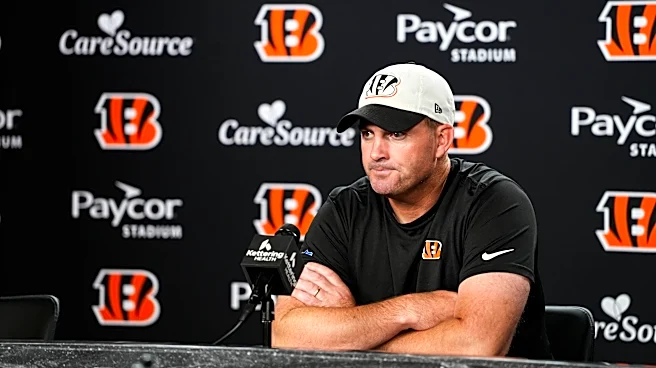
Golden said the Bengals' internal evaluations don't always align with outside sports analytics analysis, but he conceded the team baked plenty of pass rushing into its game plan.
This is what Golden wanted, too: "Waves of rushers," as he termed it all offseason. The value of having so many players capable of making a dent in opposing offensive lines was never more evident under Golden than it was in the Houston game.
"I think the way this game turned out, we were able to stop the run, and getting fourth-and-longer and third-and-longer. I think we did a good job on get-back-on-track downs, keeping it third-and-longer," Golden said. "And then we were able to just call a number of different things, which is pivotal because we want to stay a step ahead there. But there's no doubt at the end of the day, when you're creating pressure with four, mathematically, you have an opportunity to do multiple things on the back end, and we're starting to take advantage of that."
This article originally appeared on Cincinnati Enquirer: Why pass rushing might be the identity of Al Golden's Bengals defense