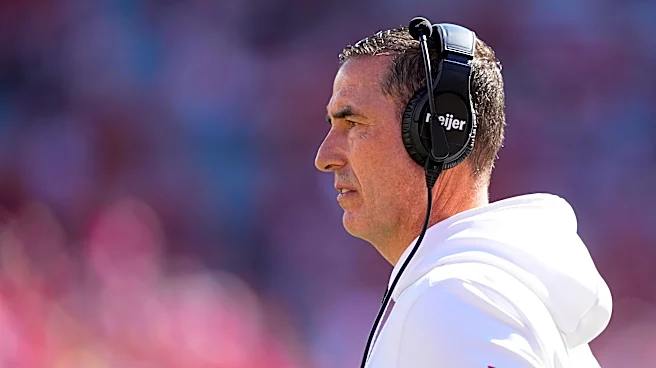






Eight months into his new job, KrogerCEO Greg Foran has already begun to remake the Cincinnati-based grocery giant.
Massive layoffs. More affordable groceries. Hardball negotiations with suppliers. Now Foran will take his vision to investors atmajor Oct. 20 meeting.
The former head of Walmart’s U.S. store operations from 2014 to 2019, Foran was hired to reboot sales growth after three years of sluggish performance. But just weeks after getting what Foran called the “best job on the planet,” President Donald Trump launched awar with Iran that has led to a spike in gas prices, reignited inflation and ratcheted up consumers’ economic fears. Sales are mostly flat for the first two quarters of Foran’s tenure.
Here’s a recap of his biggest moves and
challenges so far:

Big cuts to corporate staff unveiled
On Oct. 12, Kroger emailed its administrative workers informing them the grocer would slash 3,000 of the retailer's 8,200 corporate staff over the next three years, a cut of more than 35%. The memo offered few details, such as when the first cuts would take place, but the retailer's corporate hometown will be impacted.
Other hubs of Kroger's corporate staff in Charlotte, North Carolina, where it has a tech center and Portland, Oregon, the former headquarters of Fred Meyer before it merged with Kroger in 1999, will also feel some pain.
Kroger's layoff announcement also comes just weeks before a critical midterm election in Ohio, in a state where polls show voters are already worried about the economy – and ready to take it out on the ruling Republicans.
Inflation and tainted lettuce drag on Kroger sales
Foran, 65, has pledged to lure back customers by lowering prices and indicated he would take a stand against suppliers who were “using inflation” to boost their sales when customers were clearly "under pressure."
Rising prices have dogged consumers for much of this decade. As of August, the price of food at the grocery store has shot up more than 31% since March 2020 at the start of the COVID-19 pandemic – outpacing overall inflation that climbed 29% in the same period, according to data by the U.S. Bureau of Labor Statistics. In February, year-over-year inflation had cooled to a near post-COVID low of 2.4% but has since ranged between 3.3% and 4.2%.
Meanwhile, an outbreak of cyclosporiasis linked to iceberg lettuce at various retailers that sickened more than 10,000 Americans hammered Kroger’s entire produce section: the grocer said more than $100 million of sales disappeared as shoppers apparently avoided anything green at the store.
During the first six months of Kroger’s fiscal year, total sales rose 2.1%, mostly due to higher gas prices (excluding fuel, sales slid 0.1%).

Kroger clashes with Red Bull and Boar's Head amid pledge to lower costs
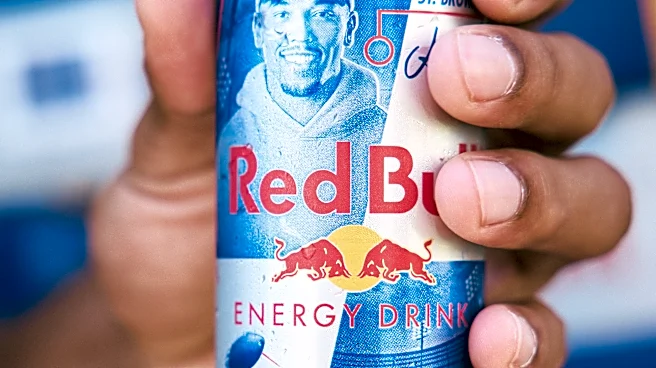
In September, Kroger saw two high-profile disruptions with vendors, Boar’s Head deli products andRed Bullenergy drinks. Industry observers believe shipments were canceled due to pricing disagreements. Kroger officials have declined to discuss the nature of disputes, but said Boar’s Head is returning to the Cincinnati stores in the coming weeks, while Red Bull has ceased to be offered in Kroger stores nationwide.
Foran might have a series of tough negotiations with other food suppliers signaling price increases, such as Pepsico, which makes soft drinks, snacks like Lay’s and Doritos chips and Quaker Oats and Cap'n Crunch cereals. Meanwhile, Foran in September announced an expansion of Kroger’s budget-friendlySmart Move house brand from 130 to 1,000 items in the next year.
Kroger plans to take over Giant Eagle
Another way to grow overall sales is via acquisition. Over the summer Kroger saw a chance to expand into northeastern Ohio and Western Pennsylvania.
On July 1, Kroger announced it had strucka $1.65 billion dealto take over Pittsburgh-based Giant Eagle, which will add about 200 stores and $9 billion in annual sales (an increase of about 6%). Kroger said it would divest some Giant Eagle stores (likely in the Columbus region) to mollify antitrust concerns by regulators.
Kroger is a major U.S. retailer
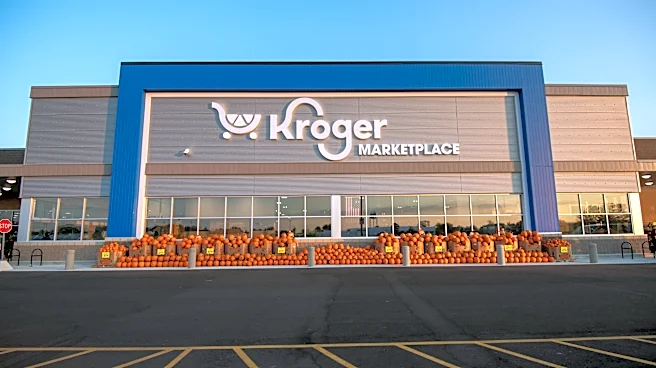
A Fortune 500 company based in downtown Cincinnati, Kroger operates nearly 2,700 stores in 35 states and the District of Columbia, including 77 in Greater Cincinnati. The company employs 403,000 workers, including nearly 20,000 in the Greater Cincinnati region.
The retailer operates stores under the Kroger banner name as well as Fred Meyer, Ralphs, Harris Teeter, Pick ‘n Save, Dillons, King Soopers, Mariano’s, Fry’s, QFC and others.
This article originally appeared on Cincinnati Enquirer: Kroger's new CEO pitches his leaner, more affordable Kroger