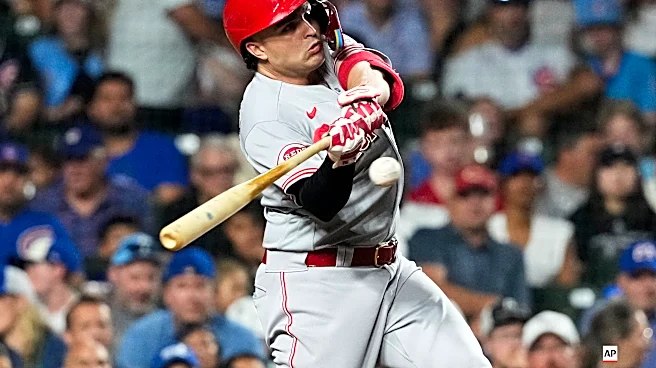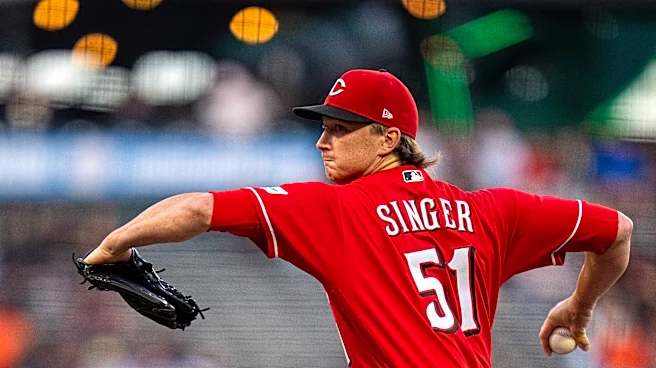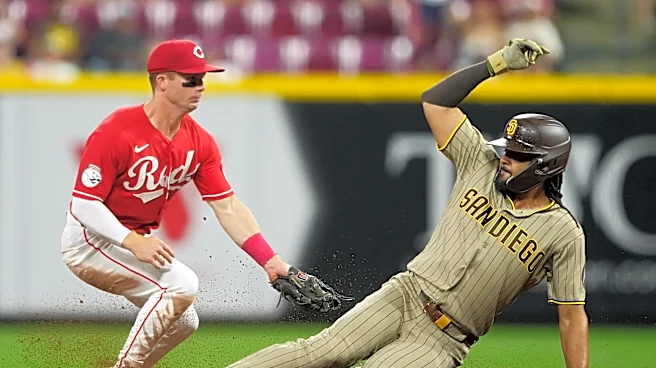







There has not been much to celebrate about the Cincinnati Reds lately. A team expected to contend has instead tested the patience of even its most loyal fans. As of this writing, the Reds have lost four consecutive series, their offense has nearly disappeared, and another promising season appears to be slipping away.
Yet amid all that disappointment, Terry Francona has given Cincinnati something worth noticing.
Watch him after another painful loss. He does not pretend everything is fine. He does not conceal his disappointment behind meaningless optimism. But neither does he lash out, publicly embarrass a player or behave as though every defeat is a personal injustice. He answers
the questions, acknowledges what went wrong and generally finds something constructive to carry into the next game.
That may sound like a small thing. It isn’t.
Accountability without humiliation

Consider Francona’s response after one of the Reds’ most excruciating losses of the season. With two outs in the ninth inning and Cincinnati one catch from victory, center fielder Dane Myers called off TJ Friedl but failed to secure the fly ball. Two runs scored, the inning unraveled, and the Reds eventually lost 10-9.
Francona had every reason to be furious. Instead, he explained that Friedl appeared to be fighting the sun and that he was initially glad Myers had called him off. Myers simply failed to look the ball into his glove. Francona did not excuse the mistake, but neither did he publicly humiliate a player who already understood exactly what he had cost his team.
That is one of the least appreciated responsibilities of leadership: knowing when accountability requires a forceful response and when a person has already imposed a harsher judgment upon himself than any manager could.
Leadership gets harder when losing starts

A manager’s demeanor becomes especially important when winning can no longer sustain a team’s confidence. Anyone can be encouraging during a winning streak. Leadership is revealed when the same problems keep recurring, the remedies do not work, and everyone turns to the person in charge to see how he will react.
Francona’s calm is not indifference, and his optimism is not denial. He knows that anger may demonstrate how much a manager cares, but it seldom helps a struggling hitter recognize the next pitch or a young fielder make the next play. Players already know when they have failed. The manager’s job is to make certain one failure does not become two.
That does not mean Francona should be exempt from criticism. His lineups, substitutions and strategy remain fair subjects for debate. Nor does his steady temperament excuse the organization for failing to assemble a team capable of consistently producing runs. A positive manager cannot indefinitely overcome an inadequate roster.
A lesson bigger than baseball

But Francona understands something many leaders never learn: Accountability and encouragement are not opposites. You can tell people honestly that their performance is unacceptable without telling them that they are incapable of doing better.
Reds fans have every right to be disappointed. Francona undoubtedly is, too. But night after night, he has demonstrated that disappointment does not require bitterness, blame or despair. You acknowledge it, learn what you can from it and prepare to try again.
More importantly, Francona has given us an example of how to accept disappointment in our own lives − with grace and steadiness, without allowing our frustration to pull down everyone within our orbit.
The Reds may not have given Cincinnati the season it hoped for. Their manager has given us something more enduring: a lesson in how to face disappointment without letting it define us − or diminish those around us.

Dennis Doyle lives in Anderson Township and is a member of the Enquirer Board of Contributors.
This article originally appeared on Cincinnati Enquirer: What Terry Francona is teaching us about disappointment | Opinion