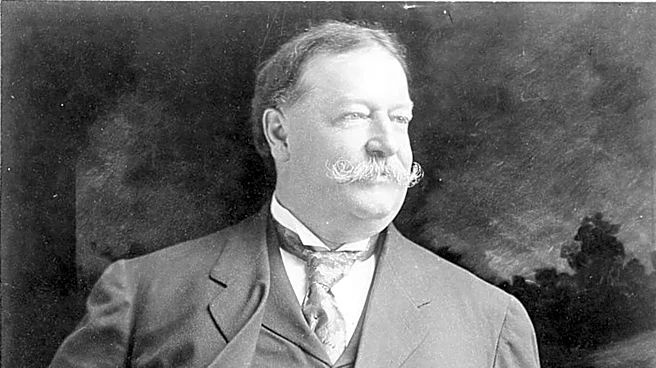

William Howard Taft has been showing up in my inbox a lot lately.
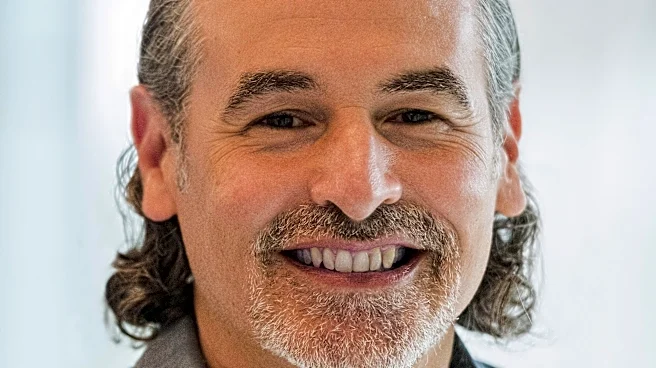
First, the new book, “William Howard Taft in Cincinnati” by Brian Planitz, which covers the 27th president’s formative years and career
in his hometown.
Then, essays about President Taft and first lady Helen “Nellie” Taft as part of In Pursuit, a project from the More Perfect initiative that shares lessons on leadership learned from our presidents and first ladies, written by noted historians and politicians, including former Presidents Barak Obama, George W. Bush and Bill Clinton.

Chief Justice John Roberts wrote of Taft maintaining dignity through defeat. Taft followed Theodore Roosevelt as president in 1908, but his mentor was disappointed in Taft’s progress and ran against him in 1912, splitting the Republican vote. Taft came in third place.
Historians put Taft in the middle of presidential rankings. But, Roberts notes, “His greatest misfortune was to succeed a president so larger-than-life that he won a place on Mount Rushmore.”
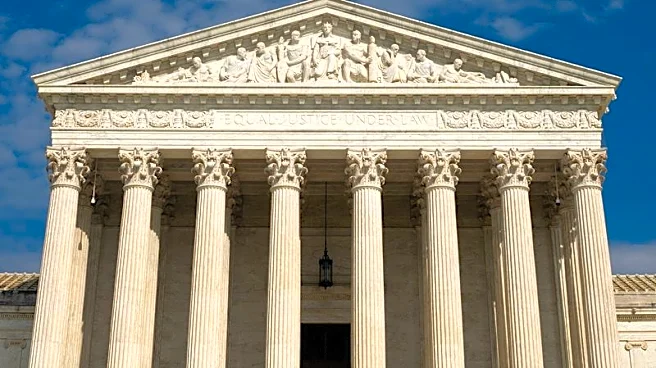
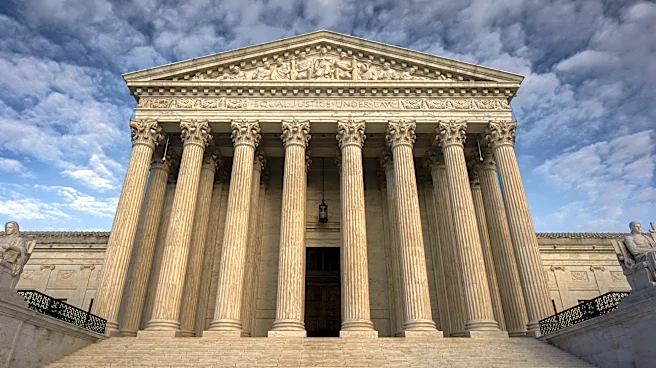
Then, in 1921, Taft was appointed to the Supreme Court as chief justice – the job he had really wanted all along. Taft is the only person to hold the highest position in two branches of U.S. government.
Roberts wrote: “In a lifetime of public service marked by great successes and deep disappointments, Taft never changed. His touchstone was fidelity to the Constitution, with each branch staying in its lane.”
Taft ‘a Cincinnatian through and through’
If all you know about Taft is that he got stuck in a bathtub, know that he was among the most respected Cincinnatians.
Thousands of people flooded the Cincinnati streets at the announcement he was the Republican nominee for president in 1908. Taft stayed at his older brother’s house on Pike Street – now the Taft Museum of Art. His campaign headquarters was in the Hotel Sinton at Fourth and Vine.

Planitz, who worked at the William Howard Taft National Historic Site in Mount Auburn, describes Taft as “a Cincinnatian through and through.”
Taft was born at the house at 2038 Auburn Ave. on Sept. 15, 1857. His father, Alphonso Taft, was a prominent attorney and judge and served as the U.S. attorney general and the secretary of war.
Young William attended Woodward High School, then, after graduating from Yale, earned his law degree in 1880 from the Cincinnati Law School (now the University of Cincinnati College of Law) that met in the Mercantile Library building.
Planitz follows Taft’s many jobs in Cincinnati, starting as a court reporter for the Cincinnati Commercial, then as an assistant Hamilton County prosecutor, collector of internal revenue and judge on the Superior Court of Cincinnati.
After a brief stint in Washington, D.C., Taft returned to Cincinnati as a judge on the Sixth Circuit Court of Appeals in 1892.
“Many historians would argue that the years William Howard Taft spent in Cincinnati between 1892 and 1900 might have been some of the best of his life professionally while also being some of the happiest personally,” Planitz wrote.

While on the bench, Taft also taught at the Cincinnati Law School. He helped merge it with the University of Cincinnati in 1896 and served as the first dean of the consolidated law school. A statue of Taft in his judicial robes stands outside the school.
Meanwhile, Nellie founded the Cincinnati Orchestra Association, which established the Cincinnati Symphony Orchestra in 1895, and as president pushed to hire Frank Van der Stucken as the first conductor.
When Taft was sent to be governor of the Philippines in 1900, he was feted at a grand farewell banquet at the Queen City Club and presented a silver cup.
“This is my home. These are my friends,” Taft said in his farewell. “As I leave it and them, the real affection I have for this, our city, in spite of its soot, its yellow water and its politics, will out.”
Taft never lived in Cincinnati again, but he returned often. He laid cornerstones for the Hamilton County Courthouse and Woodward High School, dedicated the Abraham Lincoln statue in Lytle Park and attended the May Festival.
When Taft died on March 7, 1930, The Enquirer wrote: “Death stilled the heart of Cincinnati’s most illustrious son.”
This article originally appeared on Cincinnati Enquirer: Thousands flooded Cincinnati streets for this presidential nominee