





Bruce Springsteen recently prevailed in an appeal of a lawsuit brought by the estate of classic car collector Louis Billotti over the cover for Springsteen's 2022 album "Only the Strong Survive." Billotti's estate didn't come up with enough evidence to support his oral contract claim.
Billotti's estate claims that in the fall of 2021, two photographers successively contacted Billotti about using the Pontiac GTO in a photo shoot at a designated location in Monmouth County on two occasions: the first one on Sept. 14, 2021, and the second with a different photographer on Oct. 18, 2021. Billotti agreed to a price of $750 for the first photo session and $450 for the second session. Billotti made the arrangements for both photo shoots informally via
text messages and phone calls. There were no signed, written contracts. It is undisputed that Billotti received the agreed-upon sums.
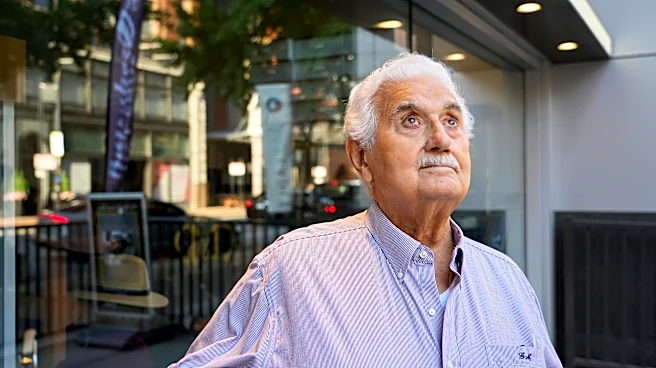
Billotti, who died in May 2022, allegedly told his son that he didn't learn that Springsteen was the person who was going to be photographed with his car until after he arrived at the first shoot. According to the son, at some point during that session, he and Springsteen had a private conversation.
The problem with a promise nobody heard

In that conversation, Billotti allegedly asked Springsteen what would happen if Springsteen used a photo of the car on an album. Springsteen allegedly responded that he has "people who deal with that," and implied that they would draft a contract to pay Billotti additional money. Billotti also claimed that an unidentified agent of Springsteen at the photo shoot "promised him (such) a contract."
Billotti's case was complicated by Billotti's death. The estate had to rely on third-party accounts of what Billotti told them. But that wasn't particularly successful. None of them had firsthand personal knowledge of any such assurances, and several testified that Billotti did not tell them he had been promised a contract or additional compensation.
The defense presented several affidavits refuting Billotti's claims. They included an affidavit by Springsteen, in which he initially denied recalling meeting Billotti or having any private conversation with him. At his later deposition, Springsteen acknowledged, on further reflection, that some conversation with Billotti had taken place, but he denied making any promises or assurances of future payment.
The defense moved for summary judgment, arguing that the evidence of Billotti's conversations with Springsteen was inadmissible hearsay. Billotti's estate argued that the alleged statements were admissible under New Jersey's hearsay exception for "trustworthy" statements by deceased declarants. The trial court sided with the Boss. It found that Billotti's statements about the vague promises or assurances of additional compensation were self-interested and not trustworthy.
Get it in writing
Billotti's estate appealed, but they had no success there either. The appellate court provided several reasons for upholding the trial court's ruling, including the fact that "the details of the surrounding circumstances of the alleged conversation(s) were vague. (Billotti) did not identify by name any agent who spoke with him about payment at the site. There were no eyewitnesses who overheard the supposed conversations about payment ... Moreover, ... the content of the alleged assurances of future payment was indeterminate and non-specific. (Billotti) took no action to engage his attorney or to memorialize with a confirmatory message the alleged oral promise. The affidavits and deposition testimony of close friends of (Billotti) presented by the defense cast considerable doubt upon the probative value of (Billotti's) contentions. It is also conceivable that (Billotti) may have misheard or misunderstood whatever conversations took place. ... In sum, (Billotti) has not demonstrated that the trial court abused its discretion in concluding that (Billotti) failed to meet its burden of proving a probability of trustworthiness."
All of which is a long way of saying Springsteen wins. In New Jersey. Not a huge surprise. This is what legal scholars refer to as an ultimate home court advantage.
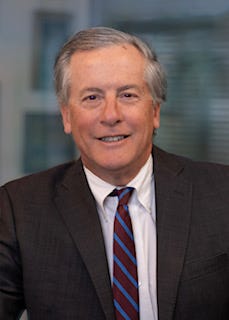
Jack Greiner is a Cincinnati attorney. He represents Enquirer Media in First Amendment and media issues. He can be reached at greinerjack46@gmail.com.
This article originally appeared on Cincinnati Enquirer: Springsteen wins. The lesson? Get it in writing | Strictly Legal