







This week, Tennessee Gov. Bill Lee granted clemency to 34 people, most of whom had long since served their sentence.
And Tyrin Johnson's autopsy showed he was shot in the back when he fled from members of the National Guard over the Fourth of July weekend.
Plus, 911 callers now have the option to request emergency mental health services when calling.
Here's what else was on the docket for the week of Aug. 24.
National Guard shot Tyrin Johnson in the back
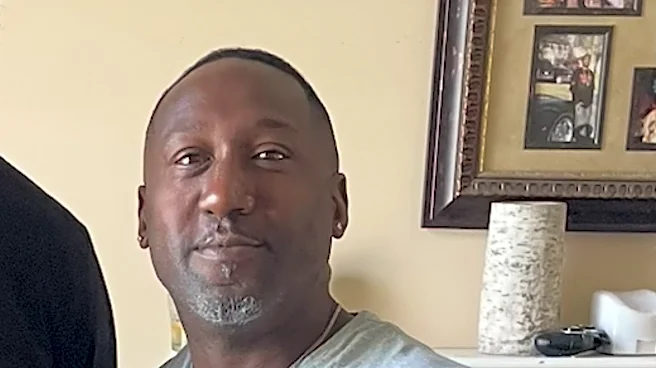
Johnson, the 20-year-old who was killed by two members of the National Guard during a foot chase in the early hours of July 5, was shot in the back, according to an autopsy obtained by The Commercial Appeal.
Police said they were responding to a shots-fired call near AutoZone Park in the early morning hours of July 5 when Johnson ran from them.
Two members of the National Guard chased him, and both fired their guns when officials say Johnson turned around.
According to the autopsy, Johnson had a gunshot wound that entered the right side of his back and an exit wound on the upper right side of his chest. There was no gunshot stippling, soot, or muzzle imprint on the wound, indicating he was shot at range.
The cause of death was a gunshot wound, and the manner of death was ruled a homicide. A death being ruled a homicide does not automatically mean it was a criminal act.
The shooting is still under investigation by the Tennessee Bureau of Investigation, and the Shelby County District Attorney's office said it has not made a charging decision yet.
The National Guard did not respond to a request for comment.
City of Memphis offering mental health option for 911 callers
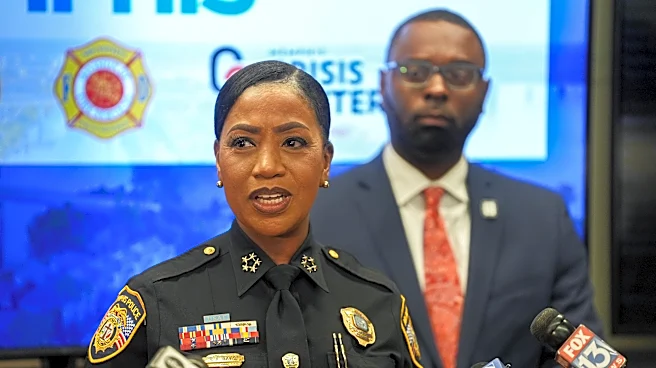
Memphis' emergency services are now offering an explicit avenue to handle callers reporting a mental health crisis, offering what city officials are calling "the fourth option" to those calling 911.
When someone called 911 in the past, they were asked if they needed police, fire or emergency medical personnel to respond to an emergency. Callers will now be met with mental health assistance as a fourth option, allowing dispatchers to immediately assign trained mental health professionals to calls that need them.
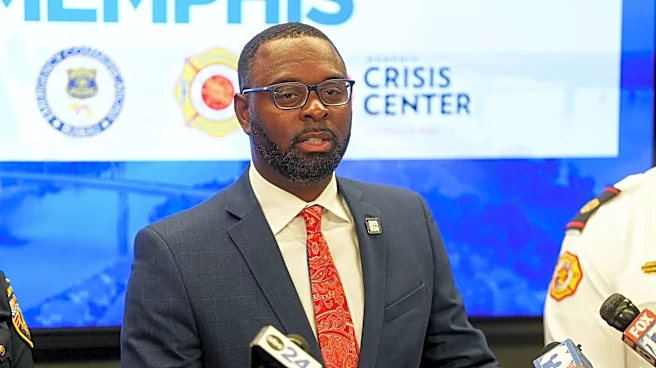
"The fourth option recognizes something that's important: Not every emergency is the same," Memphis Mayor Paul Young said at an Aug. 26 press conference inside Memphis' emergency call center. "A person that's experiencing a mental health crisis may need a different kind of response."

The city handles around 25,000 emergency mental health calls annually.
With the introduction of the new line, emergency call operators received about six hours of additional training. That training also came with new protocols, according to Memphis Fire Deputy Chief Lauren Farr, which requires operators to identify why someone is calling and additional circumstances for the call.
"It gives them the tools they need to build trust, engagement and rapport with the caller while they wait for responders to arrive," Farr said.
Top Commercial Appeal courts, public safety stories readers have viewed
- From Aug. 27, 2026: Man killed by National Guard in July was shot in back, autopsy shows
- From Aug. 25, 2026: Shelby County ordered to pay Wanda Halbert's legal fees in ouster case
- From Aug. 23, 2026: Fire ravages Tennessee prison in Memphis after day of strong storms
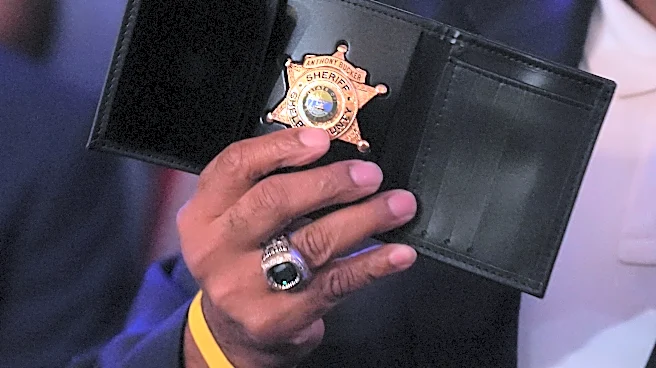
- From Aug. 25, 2026: Shelby County Sheriff-elect Buckner talks transition, first steps
- From Aug. 27, 2026: Lawsuit over TN's ability to pay bail law dismissed by federal judge
Latest in Memphis' biggest cases
A federal court judge dismissed Memphis bail reform nonprofit Just City's lawsuit over Tennessee's law preventing judges from considering a defendant's ability to pay when setting their bail.
U.S. District Court Judge Thomas L. Parker for the Western District of Tennessee issued the ruling on Aug. 20, just over two years after the lawsuit was filed by bail nonprofit Just City, the American Civil Liberties Union of Tennessee, and a slate of inmates at the Shelby County Jail.

Despite dismissing the lawsuit, Parker said the nonprofits “make some good points” about the alleged “misguided and confusing” aspects of the state’s bail law.
"The record shows that the judicial commissioners have had a hard time implementing the new statute,” Parker wrote in his 42-page ruling. “The Tennessee General Assembly’s choice to prohibit judicial officers from considering an arrestee’s ‘ability to pay’ bail while at the same time requiring them to consider an arrestee’s ‘employment status and history and financial condition’ is puzzling for some. But puzzling does not always equal unconstitutional.”
It was not clear whether Just City and the ACLU of Tennessee planned to appeal the ruling. In a statement, Just City Executive Director Josh Spickler said the ruling will cause more people to wait in jail pending trial.
In state court, Andrew Hayes will have to wait until October for Judge Lee V. Coffee to rule as to whether he will be exonerated of a 20-year-old murder.
The Tennessee Innocence Project spent much of this week arguing for Hayes' release. He was convicted in 2010 of murdering Danny Harris after what the Tennessee Innocence Project and Shelby County DA's Office described as a coerced confession.
Sarah Lucas, the daughter of Hayes' codefendant Tammy Vance, was indicted for her alleged role in the crime. Lucas, in talking to Harris' son, said she was present for the murder and Hayes was not. Lucas was extradited from Oklahoma, but died in February.
Have a question for us?
Do you have a burning public safety question you want answered? Send an email to metro@commercialappeal.com or lucas.finton@commercialappeal.com.
Lucas Finton covers crime, policing, jails, the courts and criminal justice policy for The Commercial Appeal. He can be reached by phone or email: (901)208-3922 and Lucas.Finton@commercialappeal.com, and followed on X @LucasFinton.
This article originally appeared on Memphis Commercial Appeal: Man shot in back by National Guard autopsy finds; Memphis has mental health 911 option