







Temperatures have begun dropping in Tennessee, and October could bring some of the first traces of winter in the air.
Fall, which began Sept. 22, has swiftly brought cooler weather across Tennessee, a much-needed break from one of the hottest Septembers on record. Soon, the state could begin seeing temperatures low enough for frost to form on the ground.
According to The Old Farmer's Almanac, Tennessee could experience an earlier-than-usual first frost in 2026, so gardeners in the state might want to sow cool-season crops, set out seedlings and put out frost protection a bit earlier than usual.
Here is when Tennessee can expect the first frost to happen in 2026.
What is the 'first frost'?
The first frost generally occurs when temperatures near the ground fall low enough for
ice crystals to form on surfaces such as grass, leaves and windshields.
According to the Farmers' Almanac, frost can develop even when official air temperatures are between 33 and 36 degrees under clear, calm conditions because temperatures at ground level are often colder than readings taken several feet above the surface.
For gardeners, the Almanac's average first-frost dates are tied to a light freeze of 29 to 32 degrees, when tender vegetation can be damaged or killed.
A moderate freeze occurs at 25 to 28 degrees and can cause significant damage to many plants, while a hard or severe freeze of about 24 degrees or colder is likely to kill most unprotected tender vegetation.
When will Tennessee see its first frost?

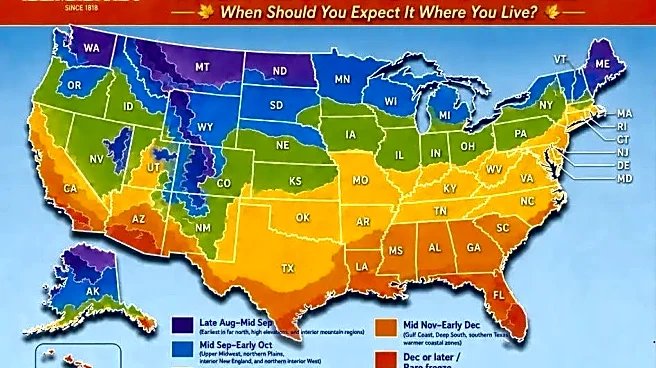
According to the Farmers' Almanac, Tennessee's average first frost typically arrives between late October and mid November, depending on location.
However, those dates are based on long-term climate averages and should not be viewed as a forecast for a specific night in 2026. The Almanac notes that the first frost can occur earlier or later than average because of factors such as weather patterns, elevation, proximity to water bodies and local landscape conditions.
The published frost dates are derived from historical climate data and represent probabilities rather than guarantees, meaning frost remains possible both before and after the listed dates.
According to the Farmers' Almanac, the average first fall frost dates for Tennessee's largest cities are:
- Chattanooga: Nov. 1
- Knoxville: Oct. 22
- Memphis: Nov. 9
- Nashville: Oct. 25
The dates are based on historical climate averages and represent when each city typically experiences its first frost. Actual frost dates can vary from year to year depending on weather patterns and local conditions.
How to prepare for a frost
When temperatures are forecast to dip into the mid 30s, gardeners should begin preparing for the season's first frost.
The Farmers' Almanac recommends covering tender plants before sunset with breathable materials such as frost cloths, blankets and old sheets to help trap heat rising from the soil.
Watering the ground earlier in the day can also help, as moist soil retains and releases more heat overnight than dry soil.
Gardeners should also bring potted plants indoors because containers cool more quickly than the ground, and they should harvest frost-sensitive vegetables such as tomatoes, peppers, cucumbers, beans and squash before freezing temperatures arrive.
It's also important to monitor low-lying areas of yards and gardens, where frost can develop even when temperatures in other spots remain above freezing.
Jordan Green covers trending news for The Commercial Appeal and Tennessee. She can be reached at jordan.green@commercialappeal.com.
This article originally appeared on Memphis Commercial Appeal: When will Tennessee get cold? Estimated first frost dates for 2026