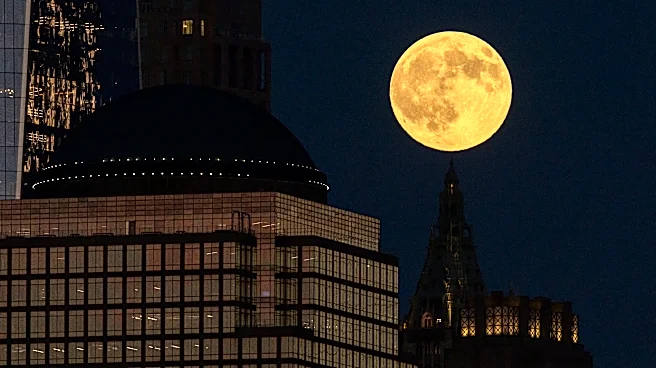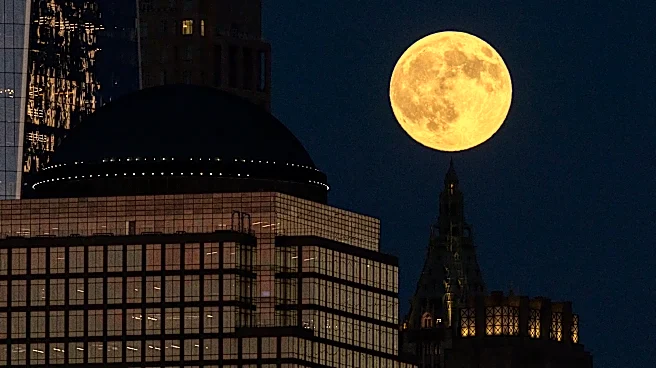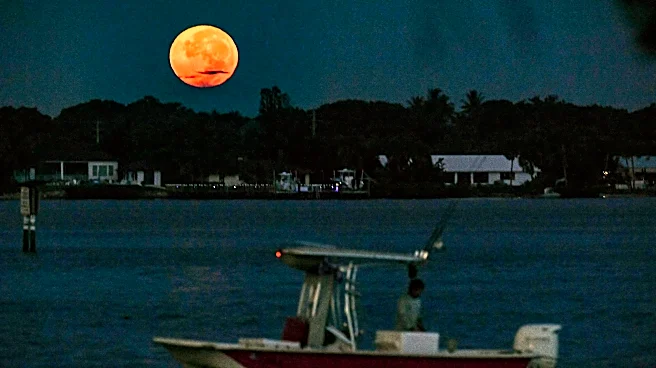

The harvest moon, which occurs around the autumnal equinox, will fall on the last weekend in September this year.
The full moon in September, commonly called the harvest moon, reaches its peak brightness
during the last weekend of the month. However, unlike most full moons, the harvest moon is known for its extended presence. For several consecutive nights, it rises shortly after sunset, creating the illusion that the moon glows brightly for multiple nights.
The harvest moon is distinctive because it does not belong to a particular month. Rather, it is the full moon that occurs closest to the autumnal equinox. In 2026, the autumnal equinox occurred on Sept. 22, so the full moon on Sept. 26 is this year's harvest moon.
In many years, the full moon in September is called the corn moon, while the one in October is called the hunter's moon. However, the full moon closest to the autumnal equinox is called the harvest moon. This is why the harvest moon can fall in either September or October, depending on the year and the calendar.
Here's when the moon will rise in Tennessee.
When is the next full moon in 2026?
The next full moon is the harvest moon, which reaches peak illumination on Sept. 26, 2026. The moon officially becomes full at 12:49 p.m. ET (11:49 a.m. CT), though most observers will see it as full the nights before and after the peak.
Because the exact moment of fullness occurs during daylight hours in North America, the best viewing opportunity will be after sunset on Sept. 26.
Why is it called the harvest moon?
The harvest moon is the full moon closest to the autumnal equinox. Since the first day of fall arrived on Sept. 22 this year, the Sept. 26 full moon earns the harvest moon title because it occurs just a few days later.
This moon is unique because it is defined by its closeness to the autumnal equinox. It can occur in either September or October, depending on the year.
The name dates back centuries to a time when farmers depended on the moon's bright light to continue harvesting after nightfall, before the widespread use of electric lighting.
Why does the harvest moon shine for several days?
The harvest moon is unique because, unlike other full moons that rise about 50 minutes later each evening, it rises only 20 to 30 minutes after sunset. As a result, it provides bright moonlight shortly after sunset for several evenings.
That's why the harvest moon appears to shine for days and why skywatchers often think they are seeing a full moon on multiple consecutive nights.
What time should you watch the harvest moon?
For the best view, look east shortly after sunset on Sept. 26.
To fully appreciate the moonrise, astronomy experts suggest choosing a spot with a clear view of the eastern horizon. This lets you watch the moon appear larger and more golden or orange as its light travels through more of Earth's atmosphere near the horizon.
The harvest moon will remain visible throughout the night before setting near sunrise Sunday morning.
What planet will be near the full moon?
Saturn will be visible near the full harvest moon on Sept. 26, making for an impressive skywatching sight, according to the Farmers' Almanac.
Neptune will also be nearby, although it will be too faint for most people to see without binoculars or a telescope.
Full moon schedule 2026
Here are the remaining dates for full moons in 2026:
- Hunter's Moon: Oct. 26
- Beaver Moon: Nov. 24
- Cold Moon: Dec. 23
Jordan Green covers trending news for The Commercial Appeal and Tennessee. She can be reached at jordan.green@commercialappeal.com.
This article originally appeared on Memphis Commercial Appeal: Is there a full moon tonight? When the September harvest moon rises