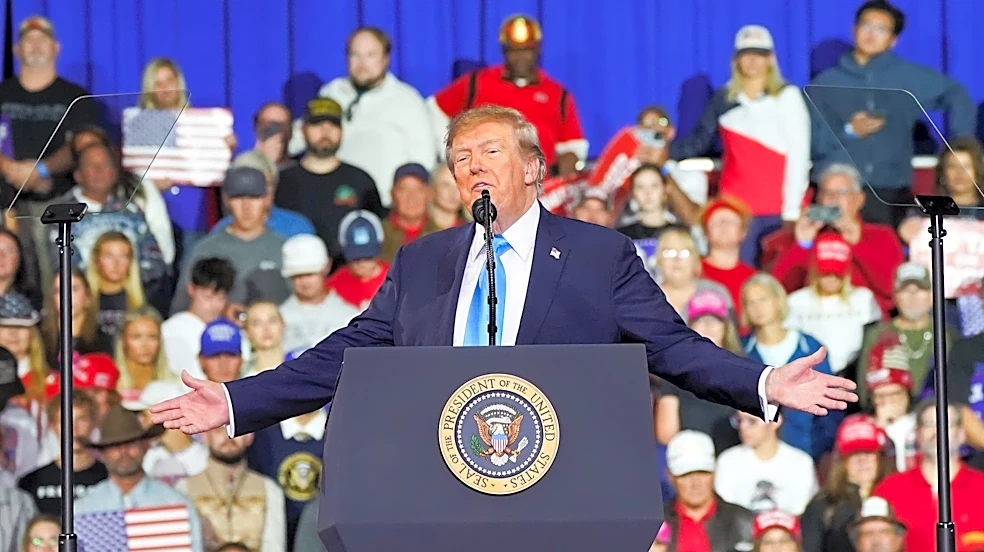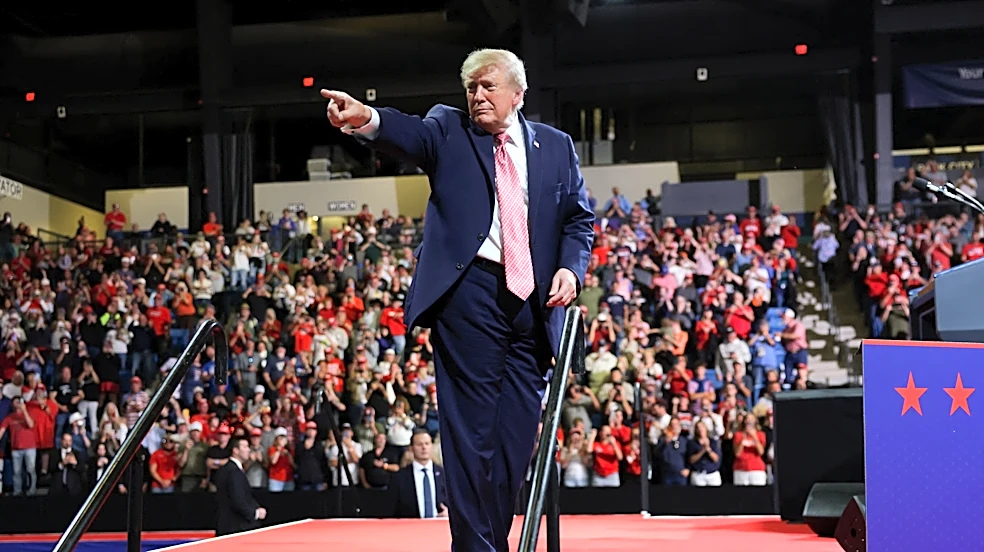





President Donald Trump and Vice President JD Vance will make a joint appearance to announce a new program that aims to give Americans more money, but not without work.
The president will continue his efforts to cut fraud and excessive federal spending with the Fraud Whistleblower Incentive Program, or WHIP. Trump plans to announce the program during an Oct. 20 event at the White House.
Republicans in Congress have supported Trump's fraud claims. House GOP leaders raised this issue multiple times over the summer, proposing anti-fraud programs as part of a party-line bill. In March, the House Oversight and Reform Committee questioned Minnesota's governor and attorney general about fraud in the state's social services programs.
Here's what to know
about the new program.
How much money could Americans get for reporting fraud?
A White House official told USA TODAY on Oct. 20 that payments for successful tips would be up to $30,000, but Trump said at an Oval Office press event that the total would be different.
President Trump, along with Vice President JD Vance and conservative influencer Nick Shirley, launched the Fraud Whistleblower Incentive Program, which offers qualifying tipsters a 1% commission under applicable law. People can submit tips about fraud to america.gov/fraud.
"If you turn somebody in and you, let's say, report, and you find $1 billion, we are giving a commission to that person of 1%," Trump said.
The proposal combines two efforts that Trump has seized on in his midterm campaign blitz: fighting fraud and distributing government funds directly to Americans.
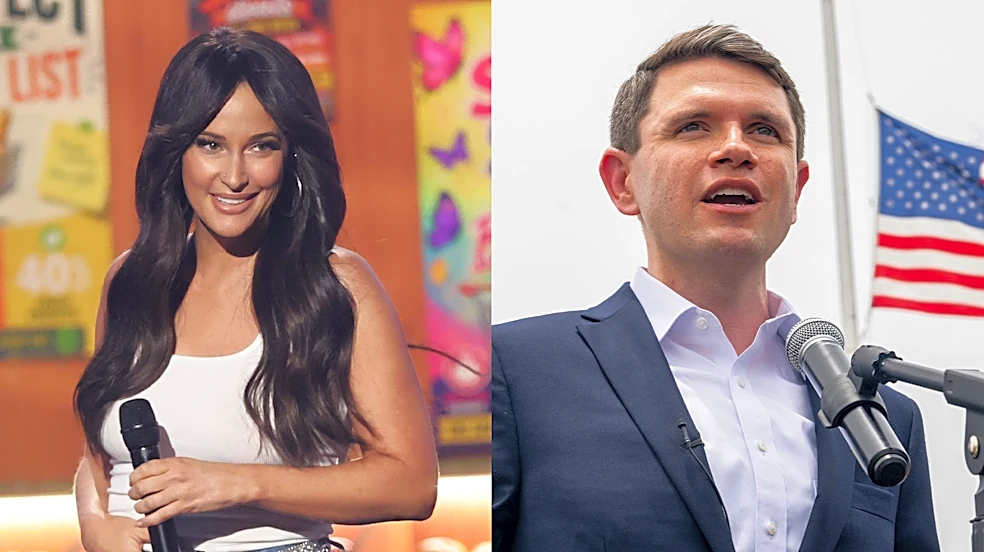
Shirley, a conservative influencer who attracted attention for a viral video alleging day care fraud in Minnesota, will receive the first $10,000 fraud whistleblower check. A woman featured in Shirley’s video was later charged with fraud.
Trump administration's crackdown on fraud
Earlier this year, Trump tapped Vice President Vance to lead a new anti-fraud initiative. Vance's continued efforts to crack down on fraud include suspending several major companies, including Microsoft, from applying for permanent residency visas for employees. He has also been traveling the country promoting the effort and accusing Democrat-led states of not doing enough to stop fraud in government programs such as Medicaid, which provides health insurance for lower-income individuals.
Recently, Labor Department Inspector General Anthony D’Esposito said he is investigating "visa fraud" at nine universities.
“Every day, President Trump’s Task Force to Eliminate Fraud is zeroing in on the rampant abuse of taxpayer dollars and giving Americans the accountability they deserve,” said White House spokeswoman Lauren Bis.
How much did DOGE save?
The Department of Government Efficiency focused on reducing government spending by ending or reducing federal contracts.
When Musk first took over as lead of the Department of Government Efficiency, he set an ambitious goal of cutting $2 trillion from government spending. On April 11, 2025, Musk announced that DOGE would lower its projected savings estimate for fiscal year 2026 from $1 trillion to $150 billion.
According to the organization's website, DOGE estimates it has saved $215 billion since it began in January 2025. This roughly translates to $1,335.40 per taxpayer.
The agencies that DOGE recorded the greatest savings from include the Department of Health and Human Services, the General Services Administration and the Social Security Administration.
Even though the agency declared its closure in July 2026, its website indicates that the final contract and grant terminations intended to conserve federal funding occurred in October 2025.
Previous dividend proposals from the Trump administration
Several pieces of legislation have been introduced to bring the stimulus checks before Congress for approval, but because of the ongoing partial government shutdown, approval is unlikely in the coming weeks.
Sen. Josh Hawley, R-Mo., introduced the American Worker Rebate Act of 2025 on July 28, 2025, which would provide at least $600 per adult and dependent child, or $2,400 for a family of four.
Rep. Henry Cuellar, a Texas Democrat, introduced the "American Consumer Tariff Rebate Act of 2026" on March 9. The bill aims to allocate $231.35 billion for rebate payments to Americans, roughly the amount consumers are estimated to have paid in tariffs, according to the Congressional Budget Office and the Joint Economic Committee.
Sen. Martin Heinrich, D-N.M., introduced the "Tariff Refunds for Working Families Act" in the Senate on March 12. According to CNBC, the rebate would pay $1,200 to joint filers making under $180,000 annually and $600 for each additional child.
Although no formal legislation was enacted, Americans were also promised stimulus checks early in the Trump administration's second term, funded by savings from budget cuts under the Department of Government Efficiency. The proposal, similar to Trump's current goal, was to give American taxpayers a $5,000 stimulus check from money saved under DOGE.
Trump began floating the idea of $5,000 stimulus checks once again while on the campaign trail for the 2026 midterms. At the GOP's midterm convention in Dallas on Sept. 9, Trump promised that all adult U.S. citizens would receive the $5,000 dividend, which must be spent in the U.S., if Republicans win the midterm elections by a wide margin.
The next day, Trump announced that his administration would refund $500 million to people allegedly overcharged by the Affordable Care Act's federal health insurance exchange. Residents in only 30 states would be eligible to receive $500 checks. The most recent data shows that Tennessee issued more than 30,000 refunds.
USA TODAY contributed to this report.
Jordan Green covers trending news for The Commercial Appeal and Tennessee. She can be reached at jordan.green@commercialappeal.com.
This article originally appeared on Memphis Commercial Appeal: Trump launches fraud tip program that could pay Americans up to $30K