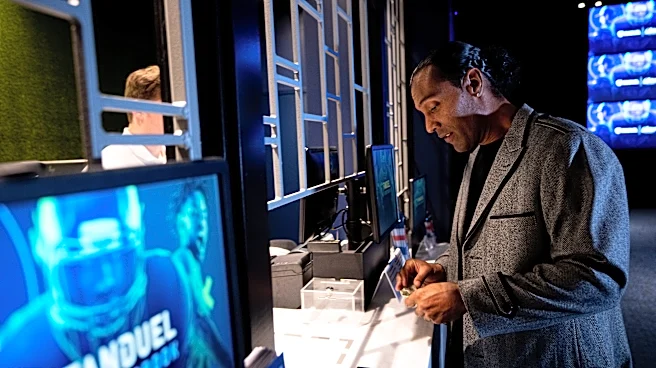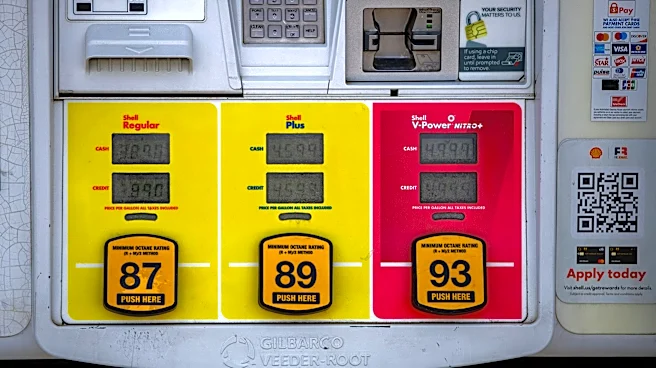

Cryptocurrency kiosks, sometimes called cryptocurrency ATMs or Bitcoin ATMs, look like traditional ATMs and allow customers to exchange cash for cryptocurrency. They’re often located in convenience stores
and gas stations.
I wrote a column in 2024 describing how they were being used to facilitate scams. Crooks convince victims they need to send money for some reason and direct them to cryptocurrency kiosks to make the payment. Scammers like cryptocurrency kiosks because once the money is transferred, it’s almost impossible for the victims to recover it.
In that column, I cited an FTC report that fraud losses involving cryptocurrency kiosks topped $64 million in the first six months of 2024 – $128 million annualized. The losses have only grown since then. The FBI issued an alert in May noting that its Internet Crime Complaint Center (IC3) received 13,460 complaints of fraudulent activity involving cryptocurrency kiosks in 2025, with losses exceeding $388 million.
The alert broke down the numbers by state. The complaint count from Tennessee was 348 and the dollar losses were $15 million. The numbers were much lower in Mississippi and Arkansas.
The FTC says cryptocurrency kiosks are most often used in government and business impersonation scams and tech-support scams. A California couple transferred $845,000 to crooks through a cryptocurrency kiosk following instructions from a fake FBI agent to supposedly protect the money from being seized in an investigation. On a happier note, a cashier stepped in and stopped a Kansas woman from transferring $22,800 in cryptocurrency as part of a scam perpetrated by someone claiming to work for her bank.
Many state Attorneys General, financial regulators, and financial institutions have issued alerts about cryptocurrency kiosks being used to facilitate scams. Earlier this year, Tennessee became the second state to ban them altogether; Indiana was the first. Other states have imposed limits on transactions through cryptocurrency kiosks and require operators of the machines to do more to prevent their use in scams.
The FBI and BBB offer these tips for protecting yourself from cryptocurrency kiosk and other scams:
- Don’t send payment to someone you’ve only spoken to online, even if you believe you’ve established a relationship with the individual.
- Don’t follow instructions from someone you’ve never met to scan a QR code and send payment via a cryptocurrency kiosk.
- Don’t respond to a caller who claims to be a representative of a company and who requests personal information or demands cryptocurrency. Contact the entity directly for verification.
- Don’t respond to a caller from an unknown telephone number who identifies as a person you know and requests cryptocurrency.
- Practice caution when an entity states they can only accept cryptocurrency and identifies as the government, law enforcement, a legal office, or a utility company. No legitimate law enforcement or government official will call to demand payment via a cryptocurrency kiosk.
- If you’re using a cryptocurrency kiosk and the kiosk operator calls you to explain that your transaction is consistent with fraud and advises you to stop sending money, stop or cancel the transaction.
- If you send funds via a cryptocurrency kiosk, be sure to keep any receipts or cryptocurrency transaction documentation.
If you’ve been a victim of a scam involving a cryptocurrency kiosk, you can report it to the IC3 at www.ic3.gov. and to the BBB at www.bbb.org/scamtracker.

Randy Hutchinson is president and CEO of Better Business Bureau of the Mid-South.
This article originally appeared on Memphis Commercial Appeal: BBB of the Mid-South: Cryptocurrency kiosks facilitate fraud