



After several weeks of discussions on tightening up restrictions on data centers, the City of Olive Branch is introducing some of the strictest guidelines in the region.
On Aug. 18, the Olive Branch Mayor and Board of Aldermen approved a new ordinance that changes language in the city's zoning regulations and creates more barriers to entry for any future data center development. The vote was unanimous, with those changes take effect immediately.
Olive Branch Mayor Ken Adams moved to have the board approve the ordinance immediately, rather than wait a month for the new ordinances to be adopted by the city.
He said it was a decision the board could make the day of approval and voting.
vote; zoning questioned
Previous codes and current changes
During the meeting, Olive Branch Director of Planning and Development Venard Asongayi said the previous zoning code allowed for data centers in the M-1 and M-2 industrial zones because storage warehouses were allowed in said zones. With the changes, data centers would only be allowed under conditional use in the M-1 and M-2 zones and will now face additional regulations based on the conditional use guidelines.
"We would not have a leg to stand on," he said regarding the previous zoning code and language.
In June, Asongayi said the city could not place a moratorium on data centers. During the Aug. 18 meeting, he reiterated that notion and cited concerns that Olive Branch could face litigation hurdles, as other cities have across the country that have enacted temporary or permanent bans.

Regulations outlined
With the new ordinance, Olive Branch will now ask developers for specifics on site plans, water and utility management, and will have stricter guidelines on ground, roof, and accessory structures (i.e. gas turbines, roof ventilation or water tanks/chillers).
Olive Branch will also not allow any data center that is not operating a closed-loop system for cooling purposes.
Generator power will also be restricted between 2 and 5 p.m., with all generators (turbines) requiring the highest emission standards, Asongayi said.
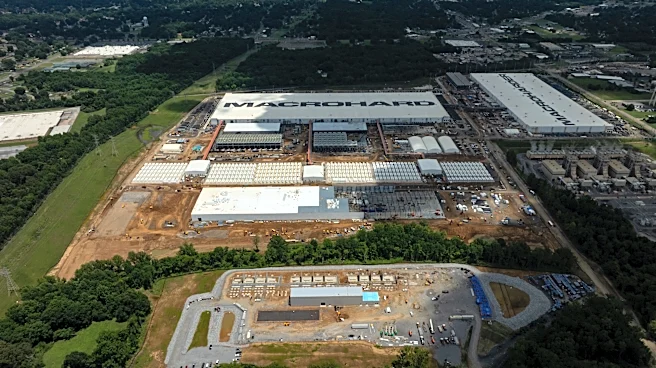
Olive Branch will categorize data centers into three tiers. The third tier outlines hyperscale data centers such as SpaceXAI's Colossus, Colossus 2 and its Macrohardrr and minihard data centers (the latter two are still under construction) in Memphis and Southaven. Those hyperscale data centers must also abide by noise pollution guidelines, including not exceeding 45 decibels between 9 p.m. to 6 a.m., nor can site noise exceed 65 decibels at any time. Those sound readings would be based at the boundaries of these facilities, Asongayi said, with larger setbacks for the higher-tier data centers.
Noise has been a major concern for Southaven residents living near the SpaceXAI power plant at 2875 Stanton Road. The power plant, which is facing legal challenges, helps power Colossus 2 across state lines in Memphis. The power plant is also expected to power the company's Macrohardrr and miniharder data centers.

The respective tiers reflect the three different types of data centers: colocation, service and enterprise, along with hyperscale data centers.
Olive Branch data center tiers:
- Tier 1 (low density)
- Buildings are less than 50,000 square feet | Less than 10 megawatts (5 megawatts of backup capacity) | Daily usage of 50,000 gallons, no more than 100,000 gallons of peak water demand | No turbines allowed for redunancy
- Tier 2
- Buildings are less than 250,000 square feet | Less than 50 megawatts (25 megawatts of backup capacity) | Daily water usage: between 50,000 and 500,000 gallons and no more than 1 million gallons of peak demand
- Tier 3
- Buildings exceed 250,000 square feet | Greater than 50 megawatts of demand (more than 25 megawatts of backup capacity) | Daily water usage exceeds 500,000 gallons and more than 1 million gallons at peak demand | Mandatory 2,000-foot setback from public schools, residential, parks, roads, etc.
The new guidelines also require data center developers (owners) to cover the full cost of decommissioning.
"I don't believe we should approach this as for or against data centers," Olive Branch Planning Commission chairman Patt Door said during public comment. "Creating regulations for data centers doesn't open the door for them ... it gives the city a better way to control that door."
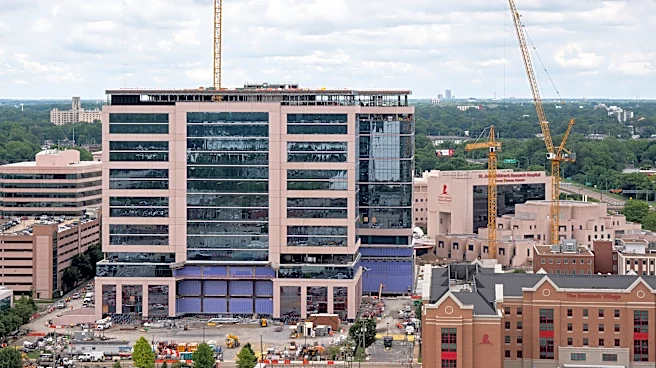
Alderman Dale Dickerson also voiced support for the regulations and acknowledged how some data centers can be beneficial, including ones such as the existing service data center at St. Jude Children's Research Hospital's Downtown Memphis campus. Dickerson said that data center would meet Olive Branch's tier 2 standards.
"Different levels to it," he said. "I know Southaven has been a nightmare, but not all (data centers) are the same."
Asongayi said enforcement of these regulations would be carried out by city staff, with higher infractions or appeals moving up to the Board of Adjustment or municipal court for fines.
Asongayi also said that there are currently no data center plans under review at this time, but these changes would ensure any future development is reviewed under the new ordinance, with more transparency for the public.
One of SpaceXAI's former contractors, Ohio-based Darana Hybrid, has filed multiple liens in DeSoto County against the company and its affiliate, MZX Tech LLC. One of those liens is for construction work, worth $439,797, associated with a data center at 7700 Nail Road in Olive Branch.
Neil Strebig is a journalist with The Commercial Appeal. He can be reached at neil.strebig@commercialappeal.com, 901-426-0679
This article originally appeared on Memphis Commercial Appeal: Olive Branch Board of Aldermen approves data center restrictions