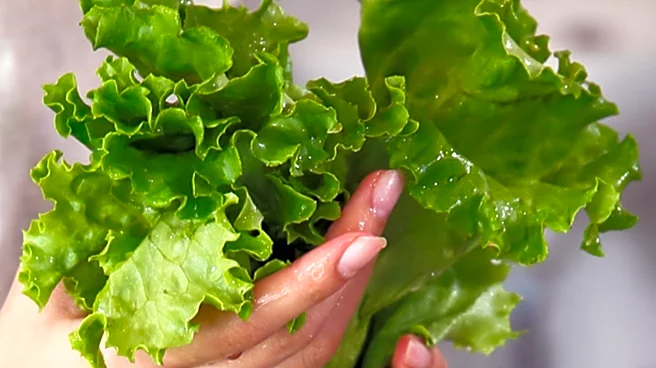





After roughly three weeks of cyclosporiasis causing mayhem in the vegetable world, it may now be safe to go back to eating lettuce.
With more than 10,000 laboratory-confirmed cases
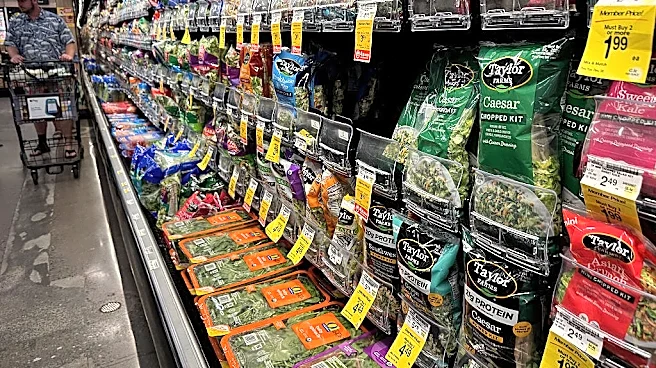
at the federal level and an additional 12,000 and counting awaiting verification, the illness continues to spread, but officials say the number of new cases is lessening, and most produce in stores is likely safe now, as contaminated foods have been removed.While Tennessee was not one of the states included in the general outbreak, it was one of the states where Taylor Fresh Foods recalled iceberg lettuce products from restaurants and Walmart.
Here's what to know about eating lettuce in Tennessee.
Is lettuce safe to eat?
The largest outbreak, primarily in Michigan, was traced by the Food and
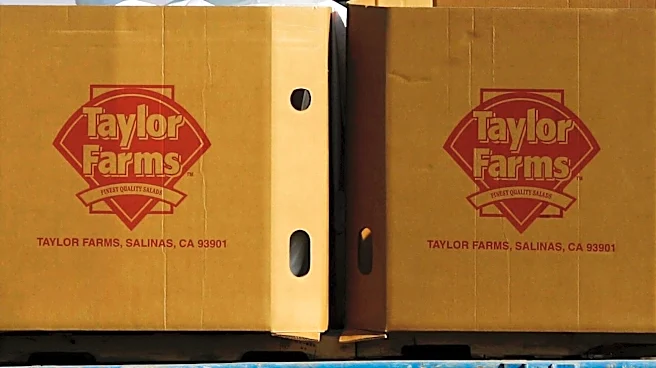
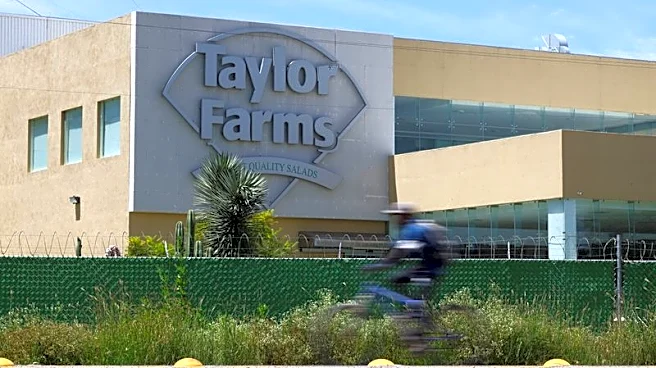
Drug Administration to recalled iceberg lettuce grown by the produce company Taylor Farms in central Mexico. Although federal health agencies are working to identify the sources of several other clusters, lettuce is the only food implicated so far.
Michigan's health department has outpaced federal agencies in tracking and reporting infections. As of Aug. 6, the department confirmed 12,485 cases since May 1, including the first two deaths related to the nationwide outbreak. The department also noted that new cases and related hospital visits are declining, allowing residents to return to their normal lettuce consumption.
In July, Taylor Farms announced it had immediately removed and recalled any "potentially implicated" lettuce and had voluntarily suspended all sourcing and production of iceberg lettuce from central Mexico. The health department stated that most of the affected produce is "likely" no longer available to consumers.
How to stay safe while eating lettuce?
Cyclospora infections present a significant challenge to the usual certainty of tracking illnesses due to their complexity. Experts, such as Dr. Sharon Nachman, the chief of the Division of Pediatric Infectious Disease at Stony Brook Children’s Hospital, suggest that maintaining certain precautions is not only reasonable but also advisable.
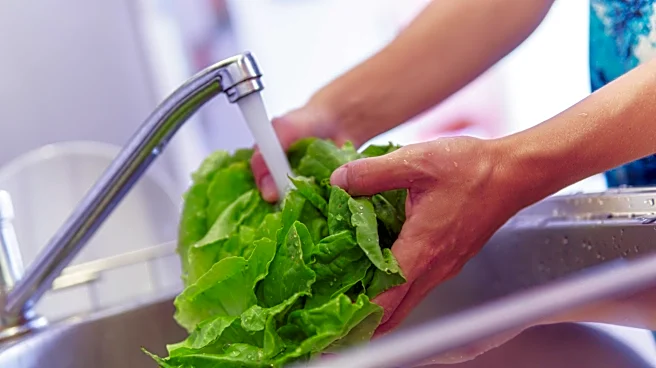
"(Washing produce) in a water-vinegar solution shakes the cyclospora off, and then a good rinse afterwards will really help cut down on any pathogen load," she advised. "If you're really thinking about keeping your family safe, it's not unreasonable to continue to wash your lettuce at this time while we watch the numbers go down."
Mordue suggests sourcing lettuce fromlocal farmers' markets or opting for other fresh produce to satisfy your fruit and vegetable needs in the meantime.
What vegetables are not part of an outbreak right now?
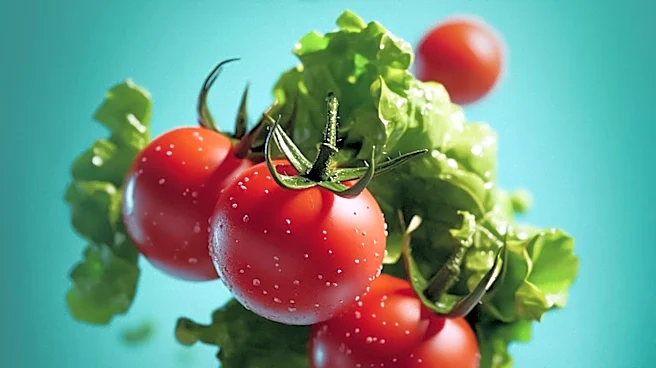
If you're hesitant to take a risk with lettuce, there are plenty of other safe options among fruits and vegetables. Items with a sturdy, smooth rind, such as tomatoes, cucumbers, bananas, and apples, can be safely rinsed off and consumed. Additionally, frozen fruits and vegetables are a great, safe alternative.
Anything that has a good, strong rind that's smooth, like tomatoes, cucumbers, bananas and apples, can be safely rinsed off the outside and eaten. Frozen fruits and vegetables are also a safe option.
How many Cyclospora cases are in Tennessee?
The U.S. Centers for Disease Control and Prevention (CDC) confirmed the first known Tennessee case of cyclosporiasis, the illness caused by the Cyclospora parasite, on July 1. As of July 18, the most recent provisional data available, Tennessee had 79 probable or confirmed cases of the illness, according to state health department data.
According to the CDC, there have been between 50 and 199 confirmed cyclosporiasis cases in Tennessee since May 1.
Jordan Green covers trending news for The Commercial Appeal and Tennessee. She can be reached at jordan.green@commercialappeal.com.
This article originally appeared on Memphis Commercial Appeal: Is lettuce safe to eat in Tennessee? Cyclospora cases are declining