



What began as a viral content success story has become a sharp lesson in thedifference between gaining attention and earning institutional trust.
The Good Good Golf controversy
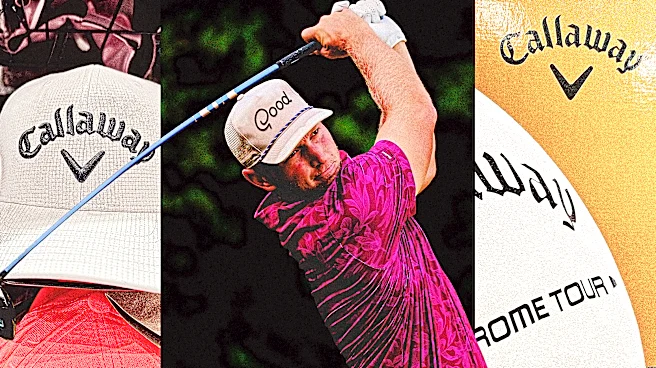
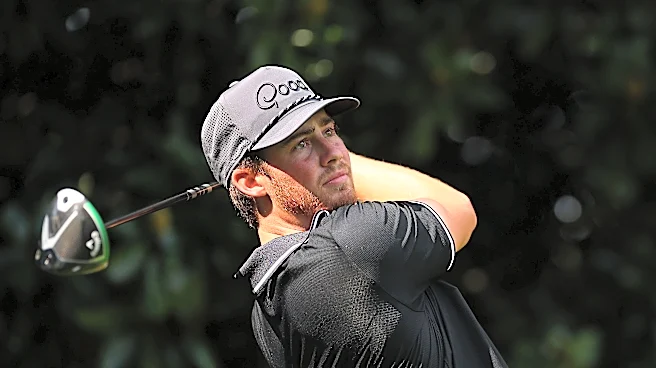
is not about whether creator-led media belongs ingolf—it clearly does. It is about the standards and practices required once a creatorbrand becomes a commercial partner of Callaway, a retail vendor, and a PGA TOURtitle sponsor.What happened with Good Good?
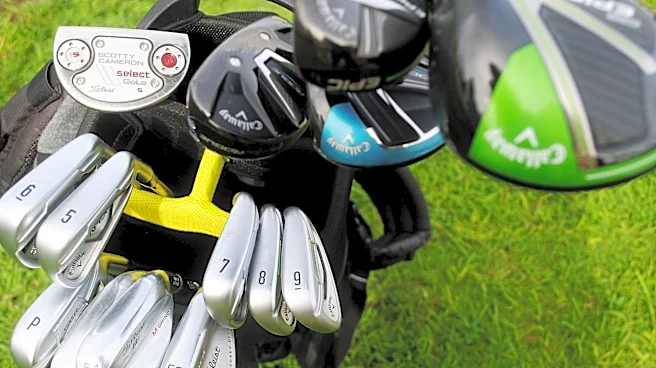
The immediate issue was a promotional video for a co-branded Callaway driver. In thenow-deleted spot, Good Good co-founder Garrett Clark forcefully shoved Good Goodpersonality Alexis Miestowski to the ground after she reached toward a golf bag, thensaid, “Do not touch my new driver.”
What may have been intended as parody or an exaggerated skit was
received publiclyas a depiction of violence against a woman—unfunny, unsettling, and fundamentallyincompatible with the inclusive image both brands had worked to project.
Good Good removed the video and apologized. Callaway initially said it wasdisappointed and would work with Good Good toward a more inclusive space in golf,while the PGA TOUR said the video did not reflect its values or commitment to respectand inclusivity.
The story did not end with an apology. Major retail partners reportedly pulled GoodGood merchandise, and Golf Galaxy withdrew from its sponsorship connection to theplanned Big Break x Good Good project on Golf Channel.
By the opening round of the TOUR Championship week in Atlanta, Callaway had ended itsrelationship with Good Goodeffective immediately, acknowledged shortcomings in itscontent-review process, and committed $1 million to organizations focused onpreventing violence against women, supporting survivors and promoting education andawareness. Good Good then stepped away as title sponsor of the PGA TOUR eventscheduled for November in Austin, Texas, originally called the Good Good Championship. Thetournament is still expected to be played, but the TOUR must find a new title sponsor.

This is not Phil's Pizza on Long Island, New York
The pizza-parlor anecdote illustrates an expectation of informal exchange: a creatoroffers presumed exposure, and a small business provides a tangible product in return.Whether that offer has value is almost beside the point. A slice of pizza, a hotel room, atheme park pass, or a round of golf is not a global brand partnership, a retail supplychain, or a professional sports title sponsorship.
Callaway Golf is not Phil’s Pizza in Syosset, where Anthony, behind the register, createsirreverent videos that draw attention to the restaurant. Certainly, the PGA TOUR is notPhil’s Pizza in Syosset either.
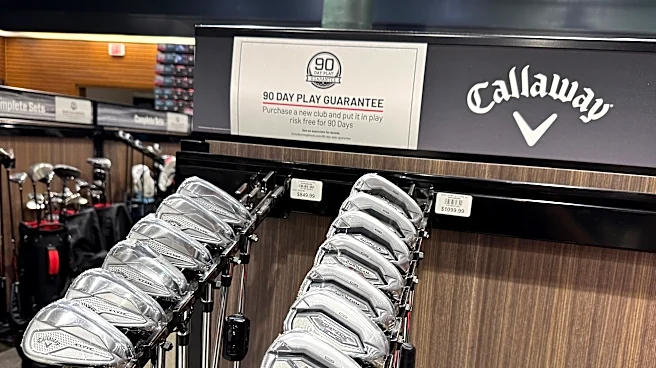
Callaway is a public-facing, legacy golf-equipment company whose name, products,employees, retail partners and customers are all exposed when it attaches itself to acreator brand. The PGA TOUR operates at an even larger scale of institutionalresponsibility. Sponsor commitments, broadcast partners, players, volunteers, hostcommunities, charities, fans, and the reputation of professional golf at its finest all sitbehind the name on a tournament.
The relevant question is not, “Will this get views?” It is, “Does this reflect the values, risktolerance, professionalism, and long-term interests of everyone whose name is attachedto it?”

That is why “it was meant to be funny” is not an adequate governance framework.Comedy can miss, and a skit can fail. But when content is produced under the umbrellaof a major commercial relationship, it requires editorial judgment, brand review, clearapproval protocols, and people empowered to say stop! Callaway said its reviewprocess wasn't comprehensive enough and that it has strengthened its approvalprocedures.
The rise -- and sudden fall of Good Good
Good Good’s rise was genuinely remarkable. Founded in 2020 as a YouTube-drivengolf brand, it helped prove golf content didn't have to resemble traditional golf media. Itscreators combined golf rounds, challenges, personalities, trick shots, merchandise, anda more accessible lifestyle sensibility at a time when the game was attracting new andyounger audiences after the pandemic.The company built a substantial cross-platform following, with more than 3.5 millionfollowers across YouTube, Instagram, and TikTok, according to 2025 reporting. It thenmoved beyond content into a broader sports-business platform:
∎It built an apparel and lifestyle business distributed through major golf andsporting-goods retailers, even co-branded T-shirts at the PLAYERSChampionship fan shop.∎ It entered a formal relationship with Callaway in 2023, collaborating onequipment, content, and marketing.∎ It raised $45 million in 2025, with Creator Sports Capital leading the round andPeyton Manning’s Omaha Productions among the investors, to expand its media,retail, and live-event ambitions.∎ It secured what appeared to be a landmark multiyear PGA TOUR title-sponsorship arrangement for the Good Good Championship in Austin.
That trajectory matters because it suggested a bridge between golf’s establishedinstitutions and the sport’s emerging media economy. Good Good was not just coveringthe game from the outside. It was being trusted to help shape the game’s business frominside the ropes.That is why the fall has been so swift and consequential. In a matter of days, the brandlost Callaway, lost the title sponsorship attached to its PGA TOUR event, faced retailpullbacks, and saw a major content initiative delayed or disrupted.
Its legal entity and attentive audience have not disappeared, and it would be prematureto declare the company finished. But the version of Good Good that seemed headedtoward an enduring place alongside golf’s biggest institutions has been severelydamaged.
The larger lesson
Creator-led sports media still has an important and growing place. Traditional sportsorganizations need new voices, younger audiences, different formats, and people whounderstand how communities form and grow around content.Good Good did not fail here because it came from YouTube. It failed, at least in thismoment, because success created responsibilities that its processes did not adequatelymeet.
The lesson for the creator economy is not that brands should stop taking calculatedrisks or that every piece of content must feel corporate or league-produced. It is thatwith growth comes accountability.
A creator can post a rough-edged video to an audience and learn a lot from theresponse. A company that carries a major equipment maker’s brand, occupies retailshelves, and affixes its name to a PGA TOUR tournament must anticipate that responsebefore the post is published.
The higher the platform, the higher the standard. In business, authenticity may earnattention—but accountability is what earns trust.

George McNeilly is an award-winning multimedia broadcaster, producer, andwriter with global experience covering the Olympics, Super Bowls and most ofthe world’s premier sporting events. A former senior executive at ESPN and TheWalt Disney Company, he is managing partner of McNeilly Communications in Orlando,teaches sports business models at Full Sail University, and serves as presidentof the Golf Travel Writers of America.
This article originally appeared on Memphis Commercial Appeal: Lessons learned from a bad week for Good Good Golf | Opinion