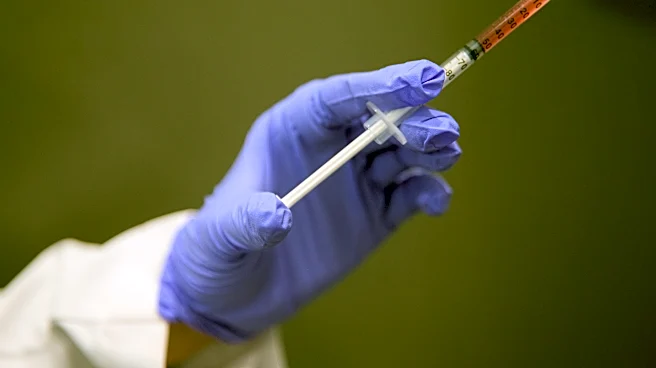








As states grapple with rising rates of obesity, heart disease and other chronic conditions, Tennessee is demonstrating what true innovative health policy can look like. By expanding TennCare coverage to include GLP-1 medications for obesity, the state has become a leader in addressing one of the key drivers of poor cardiovascular health. This decision recognizes that improving access to effective obesity treatments is not just about weight loss, it’s about preventing disease.
Other states should follow Tennessee's lead.
Obesity remains one of Tennessee's—and the nation’s—most significant public health challenges. As many as 37.6% of Tennesseans suffer from obesity, and this rate for Tennessee adults ages 25 and older is projected to reach 62%
for women and 59% for men by 2050. Properly managing obesity leads to reduced risk of cardiac events such as heart attacks or strokes and lowered hypertension and LDL-C, all vital components of heart health that my patients need to manage to stay healthy.
I’ve been practicing for more than 20 years. I can say with certainty that GLP-1s are a true miracle drug, allowing us to finally tackle the obesity and cardiovascular crisis in the Volunteer State.
Just look at the data. A JAHA study found that GLP-1 users have been shown to experience a 44% reduction in risk of hospitalization for heart attack, stroke and heart failure within just two years. These patients also see their overall health care cost growth slow to half the rate of comparable patients not receiving treatment for obesity. I’ve already seen abundant improvements with the heart patients I treat. Once they take a GLP-1, my patients often experience lower blood pressure, weight loss and improved blood lipids, as well as a reduction in inflammation and fewer major cardiac events annually. It’s changed the lives of my patients who have long struggled to manage their heart disease.
It’s worth noting how obesity and cardiovascular disease are intertwined. Cardiovascular disease is almost an inevitable reality for people living with obesity: Approximately 19% of CVD cases are attributed to obesity, and based on projections for 2024-2035, eliminating obesity was estimated to avert 6 million CVD cases during this period. The cardiovascular crisis cannot be properly combated without addressing obesity first.
The financial burden is just as real as the physical burden. Obesity-related medical costs in the United States are estimated to be nearly $173 billion annually with the Tennessee state economy spending an estimated $11.1 billion annually. Federal and state governments aren’t the only ones facing the pressure; patients are under financial burdens too. Out-of-pocket costs have increased 37% over the last decade for people with large employer coverage with an obesity diagnosis.
Tennessee is no exception: Our obesity epidemic means employers are paying nearly $5 billion more to cover higher health care costs, lost workdays, workers’ compensation and disability. Taxpayers are impacted by the obesity crisis as well, with the state and federal government spending $542 million more on Medicaid and employee health care coverage due to widespread obesity.
The state’s decision to provide access to GLP-1s in TennCare is in our state’s long-term economic interest. While expanding access to GLP-1s requires upfront investment, the potential to reduce obesity-related complications and associated health care costs makes it a worthwhile investment for patients and providers alike.
It’s not hyperbole to say this is a landmark event in medicine and innovation. Expanding access to GLP-1s is helping patients in Tennessee achieve better health outcomes and reduce their risk of serious cardiovascular complications.
But this progress should not stop at our state’s borders. Tennessee is demonstrating what’s possible when patients can access effective treatment. Now, policymakers and health care leaders across the country should build on that momentum. Expanding access to GLP-1 therapies has the potential to improve lives and help address our nation’s ongoing cardiovascular health crisis.

Dr. Dharmesh Patel is a cardiologist with the Stern Cardiovascular Foundation in Memphis.
This article originally appeared on Memphis Commercial Appeal: Access to GLP-1s Could Help Tackle TN Cardiovascular Crisis | Opinion