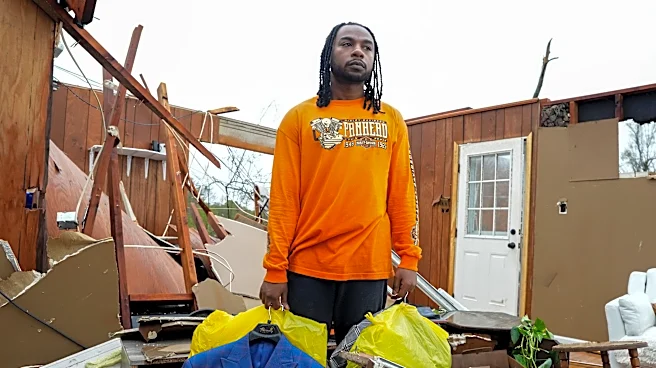








Given the bow echo storm that roared through Memphis in August, we thought it would be a good idea to revisit home repair scammers.
Historically, out-of-state contractors and other questionable operators move into storm-damaged communities and aggressively market tree removal, roofing and home repair services. Consumers may be approached door-to-door or targeted through social media, online ads, texts and other forms of solicitation.
So far this year, our partners at the Better Business Bureau (BBB)have received 31 home improvement and contractor scam reports from Shelby County consumers, with reported losses totaling more than $159,000. They also receive hundreds of complaints against contractors and home service companies every year, along with numerous
calls from stressed consumers looking for guidance after problems arise with a contractor or home improvement professional.

Why homeowners should be cautious of 'storm chasers'
What we call “storm chasers” are less-than-reputable or out-of-town companies or individualswho go door-to-door offering deals on repairs after a storm. Often, these deals seem too good to be true. Although not all storm chasers are dishonest, some may lack proper licensing, make big promises they can’t deliver or disappear if problems arise.
Homeowners are often in a hurry and desperate to get repairs made after a storm, and scammers and questionable contractors know that. They may use that urgency to pressure someone into signing a contract or handing over money.
That’s one reason checking a company or individual contractor's license before agreeing to the work is so important. Home improvement licensing is one way consumers can protect themselves because licensed contractors must meet certain state requirements.
Tennessee does not have a separate professional license specifically for tree trimming, but contractor or home improvement licensing requirements may still apply, depending on the work and the cost. Always vet anyone you hire and make sure they are properly insured.
Also, be cautious with well-intentioned neighbors or volunteers wanting to help after a storm. Anyone with a chainsaw can cut a limb, but improper work can damage or weaken a tree and potentially create bigger problems later.
What homeowners should do before hiring someone
- Avoid door-to-door solicitors and unsolicited calls. Be proactive instead of simply hiring the first person who shows up after the storm.
- Check the company at BBB.org, review its complaint history and verify any required licensing and insurance. Here's what that means in Shelby County:
- Jobs under $3,000 generally do not require a Tennessee Home Improvement license.
- Jobs from $3,000 to less than $25,000 require a Tennessee Home Improvement license.
- Projects of $25,000 or more generally require a Tennessee contractor’s license.
- Ask for licensing information and verify it at Verify.tn.gov.
- Get multiple estimates when possible and don’t rush into permanent repairs. Reputable contractors may be busy after a major storm, and that is not necessarily a bad sign.
- Get everything in writing, including the work being done, materials, timeline, total cost and who is responsible for permits.
- Don’t pay the full amount upfront and use a credit card when possible.
- Review your insurance coverage, document damage with photos and videos, and keep receipts for temporary and permanent repairs.
- Know who you can call before something goes wrong. Having a reputable roofer, tree service, plumber or other professional home service in mind ahead of time makes it much easier to avoid a rushed decision when you are dealing with storm damage.

Consumer good news
Meta is ordered to pay up to $17.1 billion in a landmark settlementover social media addiction claims. The social media giant settled with 47 states, the District of Columbia and U.S. territories, agreeing to make major changes to its products over claims its platforms endangered children.
In a dramatic capitulation, the owner of Facebook and Instagram agreed to the financial penalties for violating federal child privacy and states’ consumer protection laws, the states announced. Meta also agreed to limit how long teenagers can spend on its platforms and to ban features that stoke mental health issues, striking at the heart of the company’s business of engagement for advertising.
“The focus of this case was to protect our kids: stopping notifications and alerts at night and when they are in school, encouraging them to take breaks from social media and protecting them against harmful features,” said Colorado’s attorney general, Phil Weiser, in a statement. The agreement exceeded what most courts might order, he added.
The settlement effectively ends a bellwether federal trial in the U.S. Northern District of California in Oakland, where California, Colorado, Kentucky and New Jersey were seeking roughly $200 billion over accusations that Meta harmed children. The states filed their agreement with Meta on Wednesday morning in that court, and Judge Yvonne Gonzalez Rogers approved it.
While this is a landmark case and settlement, the settlement money will go to the states involved in the lawsuit instead of individuals. There are other cases still moving through the court system that may result in more settlements with some of the money going to individuals harmed by social media addiction.
Our goal with Wallet Warnings remains the same – to help you safeguard your money. If you have any questions or need any additional information about anything discussed here, please call (901) 222-0206. We are happy to help you avoid scams, fraud and predatory lenders. You work hard for your money, and we want to make sure scammers don’t get it.
Joseph Lee, III, is the Shelby County Trustee.
This article originally appeared on Memphis Commercial Appeal: Protect your wallet from 'storm chaser' scams | Opinion