


Aug. 12, will bring about four celestial events in one day, but Tennessee will only be able to see some of them.
In the morning, there will be a planetary alignment, followed by a solar eclipse in the afternoon, and then a new moon and the Perseid meteor shower will reach its peak in the evening.
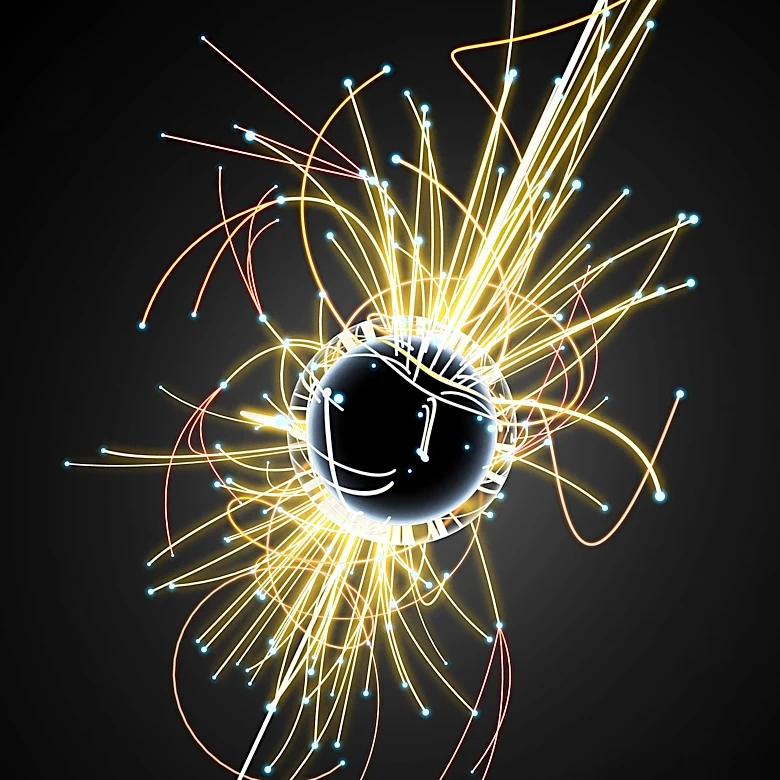
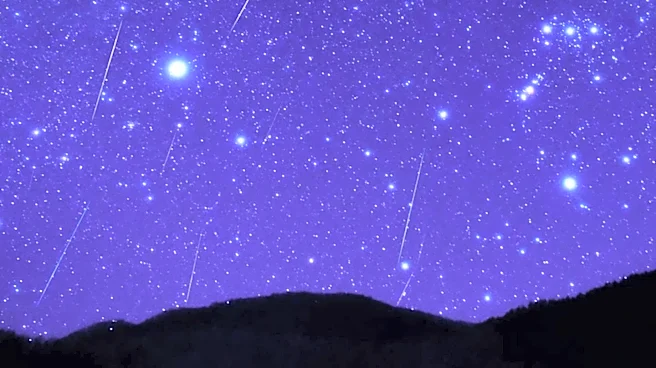
NASA considers the Perseid meteor shower the "best meteor shower of the year." It will reach its peak on Aug. 12 and produce between 50 and 100 meteors in one night.
Thanks to the new moon on Aug. 12, these celestial events will be especially visible, as they will not have to fight the light reflecting from the moon.
Here are the events Tennessee will be able to see on Aug. 12.
Skywatching events happening on Aug. 12

On Aug. 12, the following celestial events will occur, according to NASA and
Star Walk:
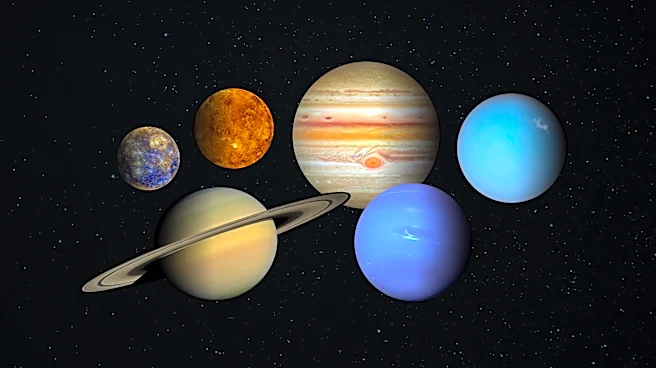
- A planetary parade, also known as a planetary alignment, including six planets, will be visible in the hours before sunrise.
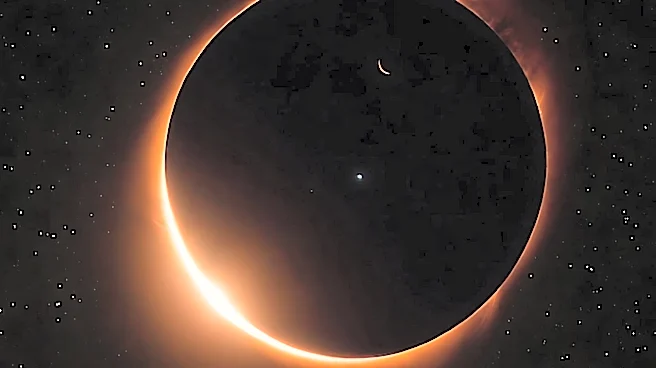
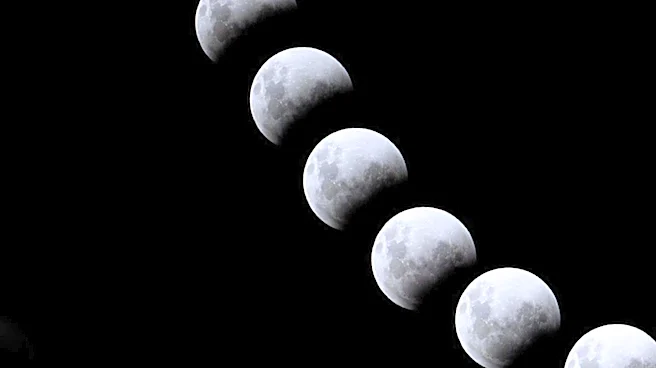
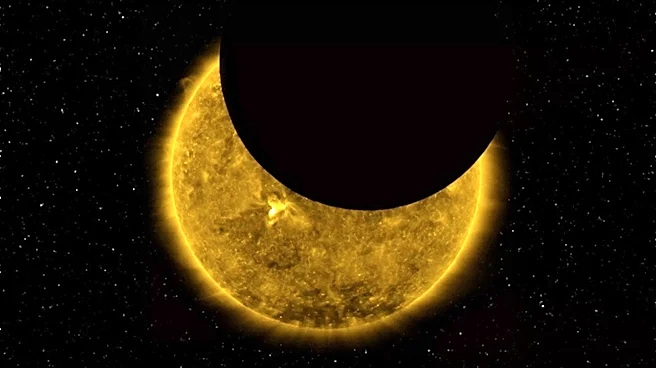
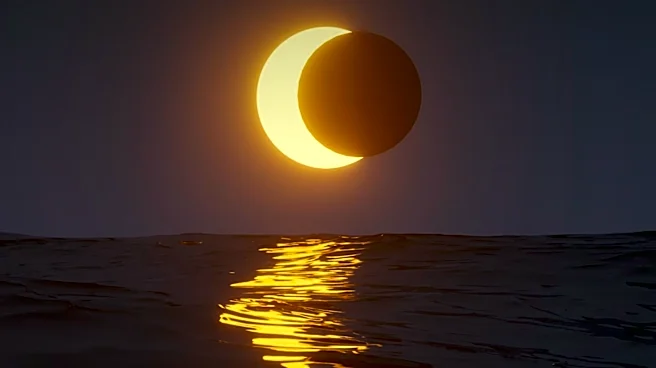
- A partial solar eclipse will be visible in U.S. states from Alaska to North Carolina beginning at around 11:34 a.m. ET, according to Time and Date. The maximum eclipse will occur at 1:46 p.m. ET. (Remember, you need special solar eclipse glasses to safely view this.)
- Perseid meteor shower peaks from the evening of Aug. 12 to the morning of Aug. 13.
There will also be a new moon, which will make the night sky "ideally dark," per NASA.
Will Tennessee be able to see the solar eclipse?
Unfortunately, Tennessee will not be able to see any part of the upcoming solar eclipse.
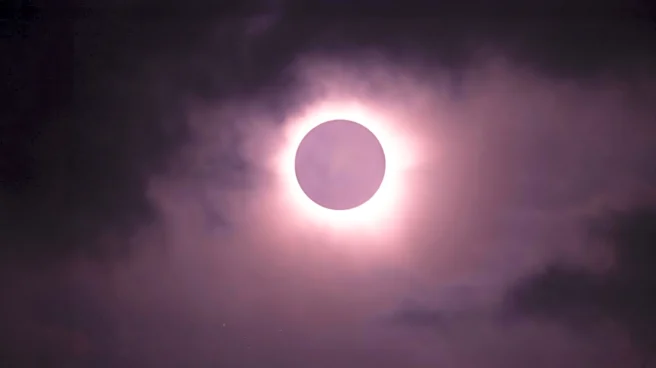
The total solar eclipse on Aug. 12 will cross parts of Greenland, Iceland, northern Spain and a small corner of Portugal. People located within that narrow path of totality will see the moon completely cover the sun for a brief period.
A much larger area will see a partial eclipse, including much of Europe, Canada and portions of the northern United States. NASA says the partial eclipse will be visible across parts of the U.S. stretching from Alaska to portions of the East Coast.
Which planets will align in 2026?
On the morning of Aug. 12, six planets will align and look like they are parading across the night sky, according to Star Walk.
The following planets will be visible in the hours leading up to sunrise:
- Jupiter
- Mercury
- Mars
- Uranus
- Saturn
- Neptune
Only a few of the planets will be visible to the naked eye. Mars and Saturn will be easier to spot, but astronomers wanting to see Uranus will need binoculars, while those wanting to see Neptune will need a telescope, according to Star Walk.
Beginning on Aug. 14, just a few days after the parade, Venus will be at its brightest and outshine each star around it as it reaches its greatest eastern elongation, which is when it reaches its "widest apparent separation from the Sun," according to NASA. It will look like it is "half lit, like a tiny lunar phase" to the backyard astronomers who catch a glimpse of the planet through a telescope.
While searching for the planets, don't be surprised if they look like stars. Using an astronomy app, like Star Walk, Sky Tonight or SkyView, will make it easier to pinpoint where the planets are.
Jordan Green covers trending news for The Commercial Appeal and Tennessee. She can be reached at jordan.green@commercialappeal.com.
This article originally appeared on Memphis Commercial Appeal: Will Tennessee be able to see the solar eclipse? Aug. 12 is a big day for skywatchers