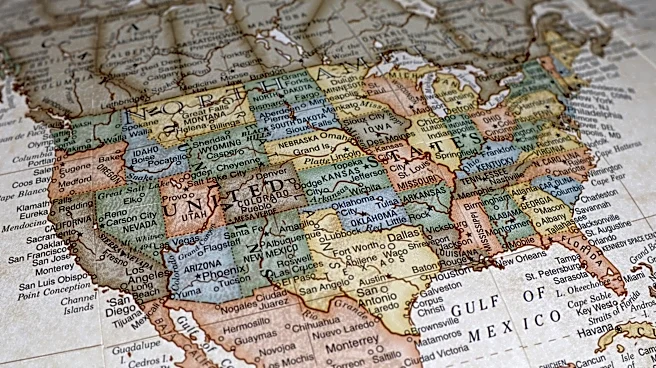





The federal government has released itslong-awaited roadmap for managing the worsening Colorado River water crisis, setting the stage for potential water cuts across California, Arizona and Nevada for years to come.
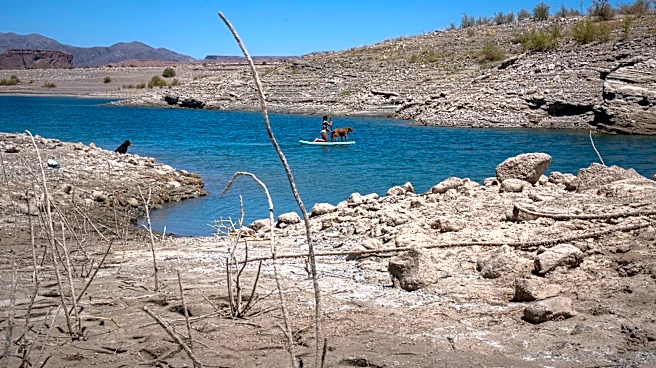
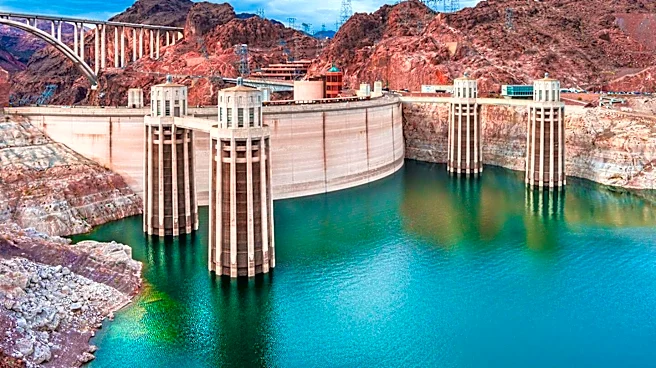
The U.S. Bureau of Reclamation on Friday unveiled the framework that will guide operations on the Colorado River through 2036. The plan is designed to prevent Lake Mead and Lake Powell from falling to critically low levels as drought and climate change continue to shrink water supplies across the West.
For California, the announcement represents the next major step in negotiations that could eventually reduce the state's Colorado River deliveries, though officials say the most severe cuts would occur only under extreme drought conditions.
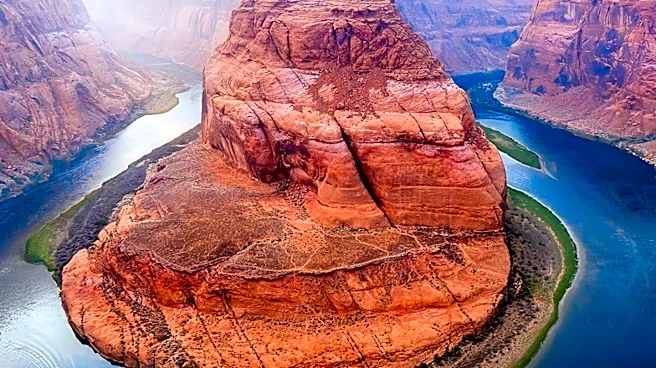
The river supplies water to roughly 40 million people across seven states and Mexico, including millions of Southern Californians and some of the state's most productive farmland.
How much Colorado River water could California lose?
Under the federal framework, the Lower Basin states of California, Arizona and Nevada could face reductions of as much as 3 million acre-feet annually during severe drought years.
Federal officials have not yet released specific reduction targets for 2027 and 2028, but Arizona, California and Nevada submitted a proposal earlier this year that would conserve 3.2 million acre-feet through water-use reductions and voluntary conservation programs.
Based on that proposal, California would reduce its Colorado River use by about 440,000 acre-feet annually, while Arizona would shoulder a larger share of the cuts because of its lower-priority water rights.
The Interior Department said the new framework is intended to provide officials with more flexibility to respond to changing reservoir conditions and forecasts every two years.
"The Department has a responsibility to ensure the Colorado River system remains reliable and resilient for the millions of Americans, communities and industries that depend on it," Interior Secretary Doug Burgum said in a statement.
Why California's Colorado River supply matters
The Colorado River is a critical water source for California's cities, farms and tribes.
Southern California's Metropolitan Water District, which serves nearly 19 million people, receives a significant portion of its supply from the river. In the Imperial Valley, Colorado River water irrigates roughly 500,000 acres of farmland that produce much of the nation's winter vegetables.
The Imperial Irrigation District controls about 70% of California's Colorado River allocation and has played a central role in negotiations over how to stabilize the shrinking river system.
Earlier this year, IID officials backed the Lower Basin conservation proposal while emphasizing that any future reductions must include federal funding, protections for senior water rights and measures to address impacts on the Salton Sea.
California water leaders have generally argued that proactive conservation now is preferable to allowing reservoir levels to continue declining, which could trigger much more severe shortages later.
What happens next?
The federal plan provides the overall framework, but key details are still pending.
Reclamation officials are expected to release additional information in the coming days or weeks detailing how shortages and conservation requirements would be implemented during the first two years of the program.
State water agencies, irrigation districts and lawmakers will continue negotiating how reductions are distributed and how conservation programs are funded.
The biggest unresolved issue remains the long-standing dispute between Lower Basin states and the Upper Basin states of Colorado, New Mexico, Utah and Wyoming over who should bear the burden of future shortages. That disagreement could continue shaping negotiations and potential legal battles in the years ahead.
Why the new plan matters to California
While the framework includes worst-case scenarios involving dramatic reductions in water deliveries, federal officials and state negotiators have signaled they expect less severe cuts in the near term.
Still, the plan underscores a reality facing California and the rest of the Southwest: the Colorado River now carries significantly less water than it did when the river's allocation system was created more than a century ago.
The new guidelines are intended to help the region adapt to that new reality while keeping water flowing to homes, farms and businesses that depend on one of the West's most important rivers.
This article originally appeared on Palm Springs Desert Sun: Colorado River plan sets stage for future California water cuts