
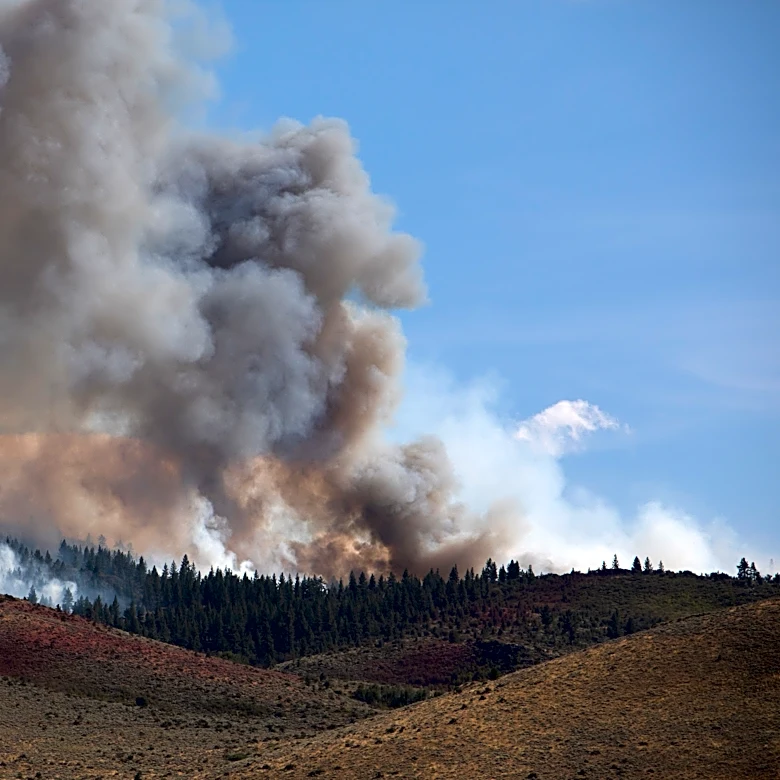
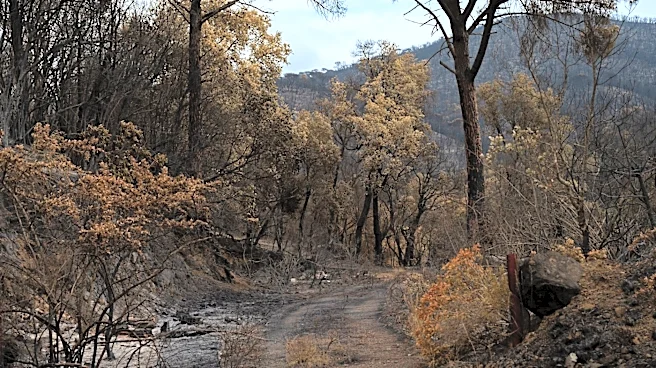
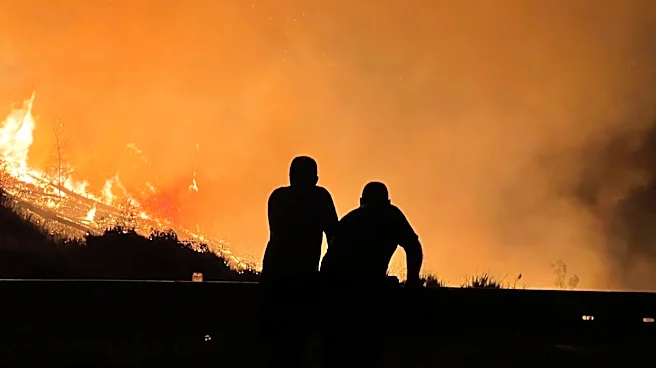
While smaller than some of California's largest wildfires this year, the Hawk Fire in Nevada poses a different threat.
The wind-driven Washoe County blazeis burning near suburban neighborhoods on Reno's outskirts, initially threatening about 1,000 homes.
By contrast, several of California's largest fires this year have burned in rural and remote timber and brush country. This stands in stark contrast to 2025, when California faced devastating urban-centered catastrophes, including the deadly Eaton and Palisades fires that destroyed thousands of homes in the Los Angeles area.
As wildfire season continues across the West, here's how the Hawk Fire compares with other California wildfires this year.
Hawk Fire scorches more than 15,000 acres in two days
The Hawk Fire, burning near Peavine Peak northwest
of Reno, scorched more than 15,000 acres within two days after igniting Saturday, Aug. 22.
As of Tuesday, Aug. 25, the fire stood at 15,067 acres and was 27% contained. The forward progress has been stopped, the Reno-Gazette Journal reported.
About 63,000 residents live within mandatory evacuation and evacuation warning zones, down from nearly 90,000 the previous day, the newspaper reported. A major stretch of U.S. 395 had been closed but has since reopened.
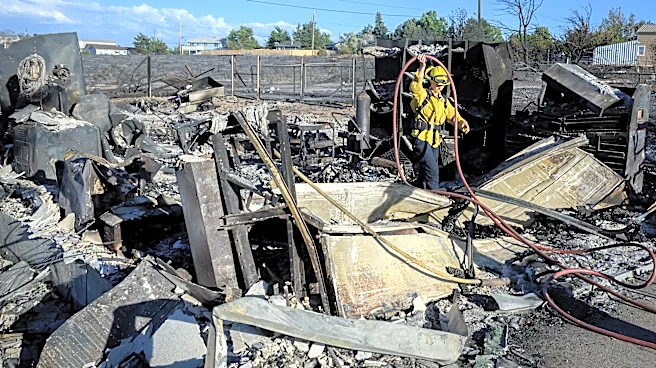
The fire was driven by severe winds and dry brush, propelling it into populated foothill neighborhoods. The blaze has destroyed 32 homes and damaged six, fire officials said at a news conference Monday, Aug. 24, the Reno-Gazette Journal reported.
Truckee Meadows Fire Protection District Chief Richard Edwards said four civilians and three firefighters were injured by the Hawk Fire, the newspaper reported. The three firefighters had minor burn injuries that happened during the initial fire attack. The condition of the four injured civilians was not immediately known.
California fires in 2026 largely remote
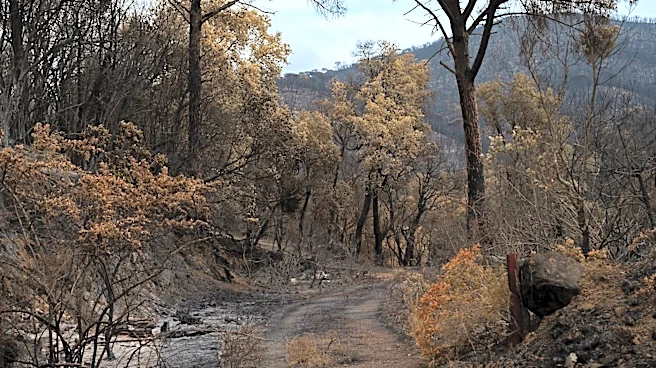
California's wildfire season so far has been defined by massive fires in rural and remote areas, along with a high number of smaller grass and timber fires.
That includes the Bug Fire, which started Aug. 8 in Lassen County and spread south into Sierra County and east into Washoe County, Nevada, in a rural area north of Reno.
The fire, which has burned 93,733 acres, stood at 97% containment as of Tuesday, Aug. 25. One of the two civilians injured in the fire has died. Nine homes near the Red Rock were destroyed in the fire.
Biscar Fire was another major wildfire in California that started in Lassen County, California, on July 18, eventually burning more than 69,355 acres and crossing the state line into Washoe County, Nevada. No injuries or deaths were reported.

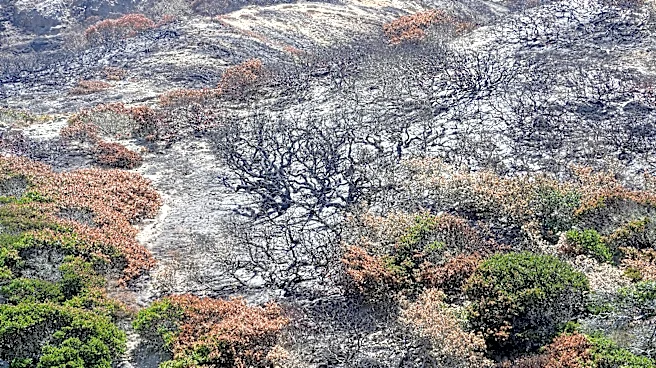
Other large California fires this season include the Santa Rosa Island Fire in Santa Barbara County, which burned 18,379 acres, and the Elephant Fire in Sierra County. The former fire burned about one-third of an uninhabited island in mid-May, while the latter charred more than 13,000 acres of dry brush, timber, and rugged terrain in early July.
'Approaching a year-round fire season'
California's fire season is far from over, though.
"The length of the fire season in any given year in California depends on summer temperatures, rainfall, and wind, with the most fires historically occurring between May and October," according to the Western Fire Chiefs Association.
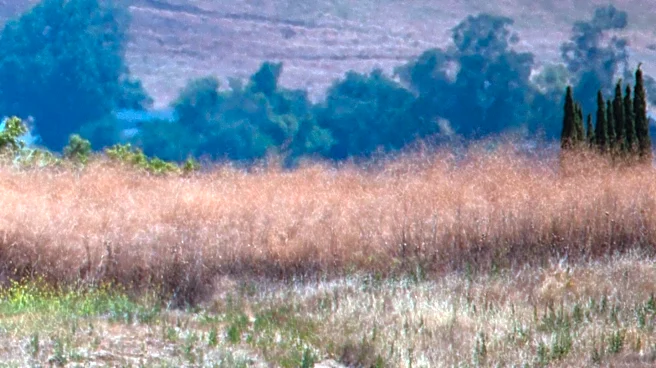
Most recent data show, however, that with "rising temperatures and decreased rainfall," fire season is starting earlier and ending later each year, "approaching a year-round fire season," the association said.
This article originally appeared on Palm Springs Desert Sun: How Hawk Fire compares to California's biggest fires this season