






One of California's most famous and controversial roller coasters is coming to an end.
Six Flags Magic Mountain announced it will permanently close X2, the groundbreaking but increasingly scrutinized ride at the center of multiple lawsuits alleging catastrophic brain injuries. The decision follows a wave of new legal claims from riders and comes just days after reports highlighted decades of injury complaints tied to the Valencia attraction.
Park officials say the coaster passed repeated safety inspections, but acknowledged that public confidence in the ride had been shaken.
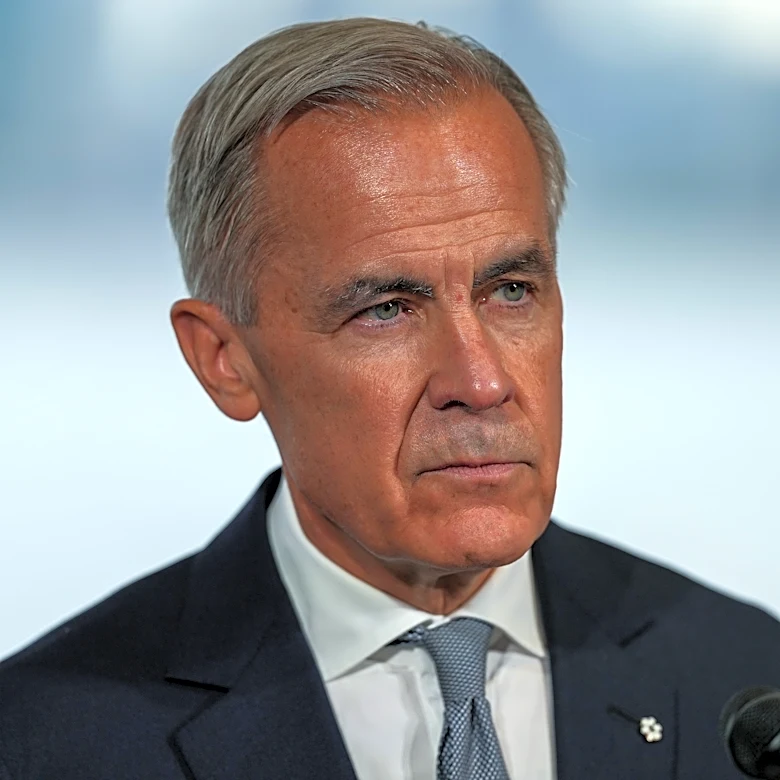
"While X2 consistently passed a multitude of safety tests, we have decided to close the ride because we believe it's the right thing to do," Magic Mountain President Brian
Oerding said in a statement.
The move marks the end of a ride that helped define Southern California's thrill-ride scene for nearly two decades and leaves many Californians wondering what led to the closure of one of the state's most recognizable roller coasters.
Why is Six Flags closing the X2 roller coaster?
Six Flags said guest confidence played a major role in its decision to retire the coaster.
The ride has been closed since July after two riders allegedly suffered severe brain injuries within days of each other. Since then, multiple additional lawsuits have been filed, and attorneys representing riders say hundreds of people have contacted their firm claiming injuries they believe were connected to X2.
The closure announcement came less than a week after three new lawsuits alleged riders suffered traumatic brain injuries and intracranial hemorrhages after riding the attraction. Those legal complaints claim Six Flags and ride manufacturer S&S Worldwide failed to adequately warn guests about potential risks and continued operating the ride despite a history of prior injury claims.
Six Flags has declined to comment on the specific allegations because of ongoing litigation and has previously disputed claims that X2 is capable of causing the brain injuries described in the lawsuits.
What made X2 different from other California roller coasters?
X2 was never an ordinary coaster.
Originally introduced as "X" in 2002, then redesigned and relaunched as X2 in 2008, the attraction became one of Magic Mountain's signature rides.
Unlike traditional roller coasters, X2 was marketed as a "fourth-dimension" coaster. Riders sat in seats that rotated independently of the track, creating the sensation of flipping forward and backward as they traveled through drops, inversions, and high-speed turns.
The ride reached speeds of up to 76 mph, climbed 200 feet into the air and stretched across more than 3,600 feet of track.
Six Flags says more than 16 million riders experienced X2 during its run, helping it develop a cult-like following among coaster enthusiasts. For many visitors, it was considered a bucket-list ride and one of the most extreme attractions in California.
Brain injury lawsuits against Six Flags continue to grow

The closure does not end the legal battle surrounding X2.
Several recently filed lawsuits describe strikingly similar allegations. Riders claim they experienced violent head movements during the ride before showing symptoms that included confusion, dizziness, difficulty walking and loss of consciousness.
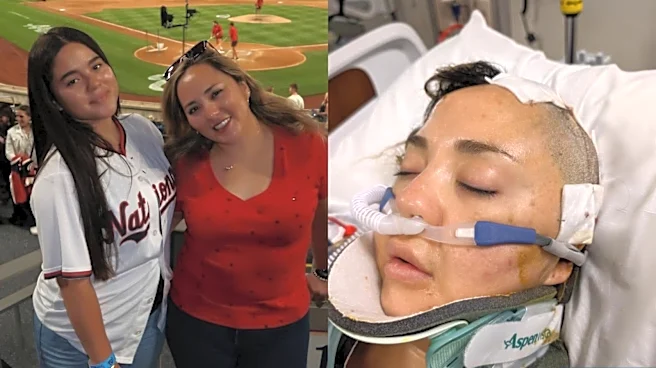
One lawsuit alleges rider Pamela Guillen suffered a massive brain hemorrhage after riding X2 on July 5. Another claims Naomi Greer-Wilkinson suffered extensive brain bleeding after riding the coaster six days later and remains profoundly disabled.
A third lawsuit filed by attorney Michael Wilk alleges he suffered intracranial bleeding that required emergency medical treatment and multiple surgeries after riding the attraction earlier this year.

Attorneys representing the plaintiffs argue Six Flags knew about serious injury claims linked to X2. The lawsuits cite earlier litigation, including claims involving California rider Sheila Katerelos and the 2022 death of 22-year-old Christopher Hawley after an alleged brain hemorrhage following a ride on X2.
Lawyers contend guests should have been warned about previous injury allegations before boarding the attraction.
Did Six Flags know about previous X2 injury reports?
That question is now at the center of the ongoing litigation.
Plaintiffs claim park officials were aware of numerous prior injury allegations involving X2 and earlier versions of the attraction. Some lawsuits allege the park continued operating the ride despite receiving reports of serious medical emergencies connected to the coaster.
Six Flags has challenged those claims in previous court filings, arguing engineering and biomechanical testing found the ride operated within accepted industry standards. The company has also argued some riders had underlying medical issues that may have contributed to their injuries.
No court has yet determined whether the coaster caused the reported brain injuries, and many of the newest cases remain in their early stages.
What happens next for Six Flags Magic Mountain?
For now, X2's future appears finished.
The coaster's retirement removes one of Magic Mountain's most iconic attractions and ends a ride legacy that generated both devoted fans and years of controversy.
Attention will now shift to the courtroom, where experts for both sides are expected to debate whether forces generated by the coaster could have caused the severe injuries alleged by riders.
Meanwhile, attorneys representing injured guests say the ride's closure is only the first step.
"Closing the ride protects future guests, and we welcome that," attorney Gary Dordick said following the announcement. "But it does nothing for the people who have already been hurt."
This article originally appeared on USA TODAY: X2 roller coaster to close permanently at Six Flags Magic Mountain