

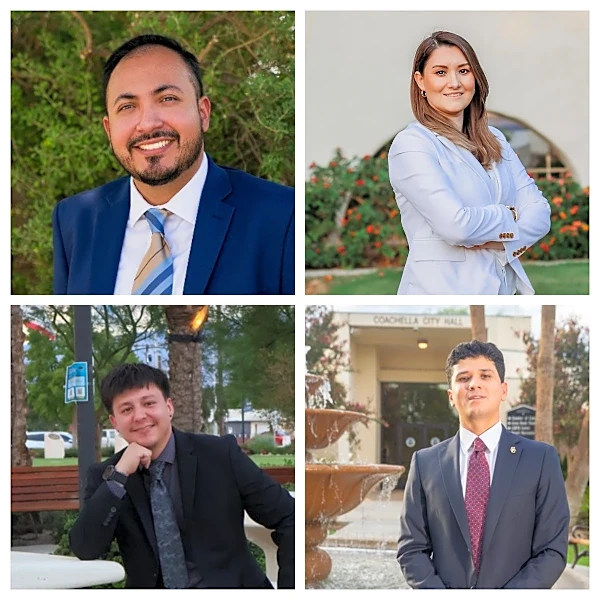


In Desert Hot Springs, incumbents in two city council districts hope to defend their seats from new challengers.
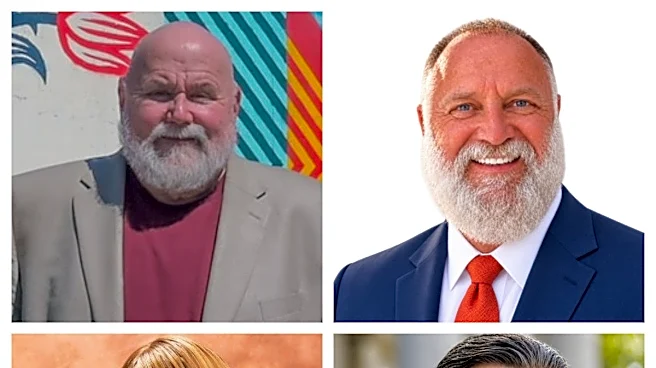
The District 1 race features Councilmember Gary Gardner going for a third term. He has served on the council since 2018 after retiring to the area following a career in public policy and consulting in Arizona and Washington.
He is facing Edward Boumendil, a former autonomous vehicle engineer who grew up in France and has worked for large corporations like General Motors and Intuit. Boumendil He has based his campaign on reforming multiple city council initiatives, like increasing oversight for automated license plate readers and repealing a recent ordinance requiring landlords to register their properties with the city.
vote in Riverside County, by mail ballot or in person
Meanwhile, Jan Pye, who currently represents District 3 is also attempting to secure another term. She was first appointed to the council in 1999 and served until 2001. Since then, she has served in two stints from 2009 to 2015 and again beginning in 2018.
She is being challenged by Joseph Erndt, a veteran of the city's tourism industry and current manager at the Aqua Soleil Hotel.
While some Coachella Valley cities elect council members at large, Desert Hot Springs does not, meaning only voters who live in either District 1 or District 3 will have a city council race on the ballot. The city switched to district elections in 2022.
The Desert Sun sent a questionnaire to all four candidates asking them to discuss their priorities. See below to compare their responses.

What is one recent decision made by the current city council that you would have handled differently, and why?
Gary Gardner (District 1)
The Council recently adopted a comprehensive Rental Inspection and Registration program, designed to address the problems the city has with substandard properties and non-responsive landlords. It's similar to ordinances adopted in Indio and Palm Springs and other cities in CA. More than half of DHS residents are renters, and we have a high number of substandard properties and unresponsive landlords which are bad for renters and a blight on the city. When those cities adopted similar ordinances they didn't get pushback from landlords, and we did not expect the amount of misinformation that was put out by opponents to the ordinance. Now we are having to do a lot of community outreach to explain how it works and why we adopted it and correct the fear coming from the misinformation. We should have done that outreach before the ordinance was adopted.
Edward Boumendil (District 1)
Instead of spending $724,350 on one restroom at Tedesco Park, I would have followed Yucca Valley’s approach and gotten three public restrooms for the same price. Yucca Valley spent half a million dollars less for a nearly identical public restroom from the same company.
We would have had new restrooms at Tedesco, Wardman and Mission Springs parks instead of one overpriced restroom only at Tedesco. The CDBG funding was just as available for one wildly expensive restroom as it would have been for three public restrooms purchased smartly.
We need safe, clean park facilities, and to get those, we need to be much smarter with the use of taxpayer money.
Jan Pye (District 3)
At times, my strategy is to work within the Council’s process while preparing to revisit an issue. For example, during discussions of the two-year stay concerning the data center, most Council members wanted to bypass the Planning Commission and bring the matter directly to the Council. I opposed that approach because we had established a different precedent with the Highway 62 stay, but the Council did change the motion. However, because I knew the issue would return and I could again advocate for Planning Commission review, I voted with the Council (which did change the motion made) and I am waiting for my chance to persuade the Council with a better argument for consideration at the next round.
Joseph Erndt (District 3)
One recent decision I would have handled differently was the Rental Registration Ordinance. I understand the need to address unsafe and poorly maintained rental properties, but with more than half of the city’s housing stock made up of rentals, I believe tenants and property owners should have had a larger role in shaping how the program would work before it was adopted.
City Council members are representatives of the people affected by these decisions. I would have held additional public workshops and actively brought landlords and tenants into the process before finalizing the ordinance. The goal should be strong enforcement against genuinely unsafe properties without creating unnecessary burdens for responsible owners or unintended consequences for renters.

The city has limited resources. If you had to choose, what would be your top budget priority and what would receive less funding so that priority could be funded?
Joseph Erndt (District 3)
My top budget priority would be the basics residents experience every day: streets, drainage, illegal dumping, neighborhood maintenance and the infrastructure needed for long-term growth. I would protect essential public safety services, but I would put those basic needs ahead of discretionary spending. To make room, I would first reduce or defer city-funded entertainment, promotional contracts and outside consulting that cannot demonstrate a measurable return. Not every program needs to disappear, but when resources are limited, core services and long-term infrastructure should come before optional spending.
Jan Pye (District 3)
My top priorities would be public safety, including police, fire, and emergency services — and addressing homelessness. Public Safety is currently funded by our public safety taxes; however, we need to be more proactive rather than reactive, which we are currently doing with the current council and staff. A safe, and welcoming city (which we have) is essential for entertainment, retail, and local economic opportunities to succeed. By building on lower crime rates and pursuing a stronger vision with our strategic plan, Desert Hot Springs can become California’s Sedona.
Edward Boumendil (District 1)
My top budget priorities would be public safety and basic infrastructure maintenance, including making sure our streets are in good order. Our goal must be to become the safest city in California, and residents should have a city that is in good repair.
If funding needed to be found, I would focus on reducing spending on discretionary projects and finding efficiencies within our existing operations.
But my main push would be for public budget sessions beginning in February, as other cities routinely do. Desert Hot Springs has not had a public budget workshop in over ten years. We need to move beyond one-and-done budget meetings and get residents involved so they have a say in setting spending priorities.
Gary Gardner (District 1)
Police and Fire are always my top priority and should be the top priority of any city. They should always be the last thing on the chopping block. I would rather shave some funds from all other city projects to make sure we have our police and fire.
If elected, what is one promise you are making to voters that they can use to evaluate your performance at the end of your term?
Gary Gardner (District 1)
My main priority this term will be to work with the Desert Healthcare District to fund a much needed long-hours urgent care in the city. We may not get it built in four years, but if it's in the works, I'll have fulfilled that promise. I have always promised to work to make Desert Hot Springs the best place to live in the valley. Voters can judge that performance easily by simply asking "Is the city better at the end of my term than it was when I started?" Everyone has different priorities, so each person can ask what matters to them, whether it's lower crime, cleaner/safer city. More parks and open space or whatever matters to them. I see progress on that every day, and voters can too.
Edward Boumendil (District 1)
There is too much decision-making without public input. No council member has all the answers. We make better decisions when we listen to the people who live here.
My promise is to keep residents informed about city proposals before decisions are made, seek their input and explain my votes. Voters can judge me by whether I follow through on those commitments.
When I look across Desert Hot Springs, I see the people who call this city home. Their interests must come first. Outside developers deserve a fair hearing, but their influence should never outweigh the needs of our residents. I will evaluate every proposal by what it does for the people who live here.
Jan Pye (District 3)
I promise to serve not only District 3 but all of Desert Hot Springs. Voters can evaluate whether I approached every Council decision with accountability, thorough preparation, and an understanding that I work for residents — not for personal recognition.
Joseph Erndt (District 3)
I will publish a District 3 accountability report at least quarterly. It will show the major issues residents have brought to me, what action I took, the status of those issues, and how I voted on major spending and policy decisions. At the end of four years, voters should not have to rely on campaign claims to decide whether I followed through. There should be a public record they can look at. I cannot promise that one councilmember can fix every street or solve every problem, but I can promise accessibility, follow-through and transparency about the work.
Sam Morgen covers local government for The Desert Sun. Reach him at smorgen@gannett.com.
This article originally appeared on Palm Springs Desert Sun: Meet the candidates for Desert Hot Springs City Council