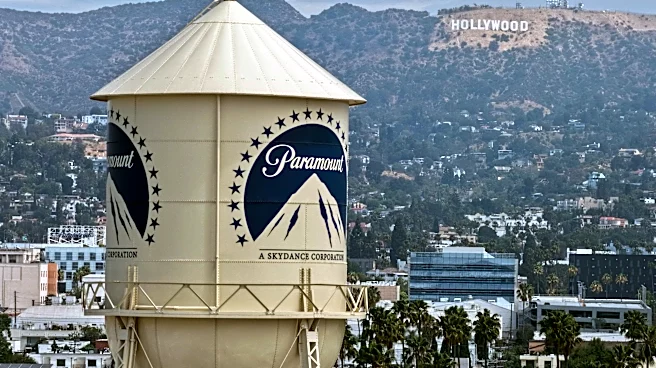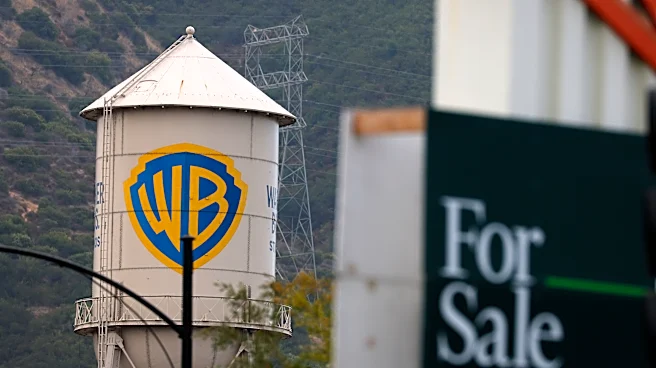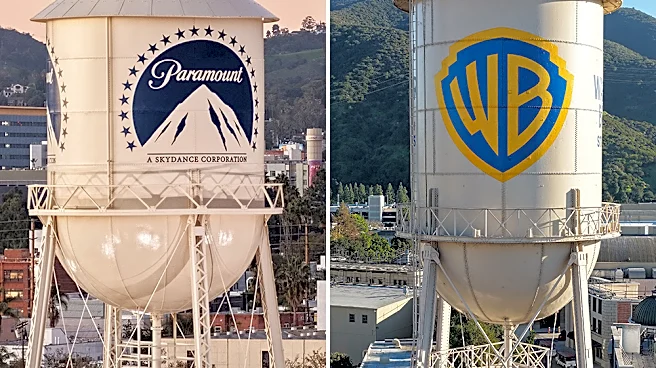





California’s attorney general says a newly announced settlement in the proposed $110 billion merger between Paramount and Warner Bros. Discoverydoes not endorse the deal. But the agreement does include several promises that could directly affect movie fans, streaming subscribers, and California’s entertainment workforce if the merger moves forward.
The settlement, unveiled Sept. 21, requires Paramount to boost domestic production spending, release more movies in theaters and invest millions in workforce development and independent filmmaking.
For Californians, the biggest questions may be simple: Will there be more movies to watch? Will streaming services change? And could the agreement help bring film jobs back to the state?
What the Paramount-Warner Bros. merger settlement requires
Under the settlement,
Paramount agreed to spend at least $300 million more annually on domestic film and television production.
The company must also produce at least:
- 30 films per year during the first two years after the merger
- 32 films per year during the following three years
- At least four independent films annually
California Attorney General Rob Bonta said the commitments are enforceable. If Paramount fails to meet the production requirements, it could face significant penalties, including a $30 million payment for every missed film production and potentially being forced to divest Miramax.
The agreement also requires Paramount to:
- Honor existing collective bargaining agreements
- Negotiate in good faith with unions
- Establish an independent film fund
- Contribute $9.5 million annually for workforce training, career development and community arts programs
- Submit to oversight from an independent compliance monitor
Bonta said the settlement aims to protect workers, independent filmmakers, and consumers if the merger proceeds.
What the merger could mean for movie theatergoers
For people who still enjoy seeing movies on the big screen, the settlement includes one of the most noteworthy promises: more theatrical releases.
Paramount CEO David Ellison previously committed to releasing at least 30 feature films annually and giving each movie a 45-day exclusive theatrical window before it arrives on streaming.
That could be welcome news for theater operators, which have struggled in recent years with reduced studio output and the growing shift toward streaming-first releases.
A dedicated theatrical release period generally gives moviegoers several weeks to watch new films exclusively in cinemas before they become available at home.
Industry analysts have argued that exclusive theatrical windows can:
- Drive higher box-office attendance
- Give theaters a steadier pipeline of new releases
- Create larger cultural events around major films
- Encourage studios to invest in bigger theatrical productions
The commitment to release at least 30 films annually also could mean more variety for moviegoers, including major franchise titles, family films, dramas, and independent projects.
For California, home to many of the nation's largest movie theater chains and entertainment hubs, increased film output could also support local promotion, tourism, and related businesses tied to theatrical releases.
What the merger could mean for HBO Max and Paramount+ subscribers
One issue the settlement does not address directly is whether Warner Bros. Discovery's HBO Max and Paramount+ could eventually combine into a single streaming platform.
No such merger has been announced. However, media industry observers have speculated that consolidation could become a major strategic consideration if the larger merger succeeds.
While no decisions have been announced, a future combination could potentially result in:
- A larger combined content library
- One monthly subscription instead of multiple plans
- Expanded access to franchises across both companies
- Changes to pricing structures
- Different advertising-supported and ad-free options
A combined service could place HBO's prestige series, Warner Bros. films, CBS programming, Paramount movies, Nickelodeon content, and sports offerings under one platform.
For subscribers, that could mean greater convenience and a broader content catalog. It could also raise concerns about future subscription costs if reduced competition drives prices up.
For now, nothing is changing for customers.
Both services continue to operate independently, and neither company has announced plans to merge the streaming platforms. Subscribers should continue to receive the same content and billing arrangements unless future changes are announced.
Could the settlement help bring film jobs back to California?
The settlement's domestic-production commitments are particularly significant for California's entertainment workforce.
Hollywood studios have increasingly moved production to states and countries offering lucrative tax incentives. California has repeatedly lost projects to locations such as Georgia, New Mexico, Canada and the United Kingdom.
Under the settlement, Paramount agreed to increase domestic production and potentially expand those commitments if federal or state incentives become available.
Bonta said he plans to support legislation creating a more competitive California film tax credit program.
If more productions are filmed domestically, potential beneficiaries could include:
- Film crews
- Writers
- Actors
- Editors
- Visual effects workers
- Caterers and support businesses
- Community colleges and workforce training programs
The settlement's annual workforce-development funding is also intended to strengthen pathways into film and television careers.
Why California sued over the merger
California joined 11 other attorneys general in challenging the proposed merger, arguing it could reduce competition and create a "media behemoth."
State officials warned the merger could result in:
- Higher prices for consumers
- Less content
- Lower quality programming
- Reduced competition within the entertainment industry
The Writers Guild of America also filed a lawsuit seeking to block the deal, arguing it violates antitrust laws and could harm writers.
Paramount has countered that combining with Warner Bros. Discovery would create a stronger competitor capable of challenging streaming giants such as Netflix and investing more aggressively in theatrical releases, premium content and creative talent.
The settlement resolves California's legal challenge, but it does not automatically approve the broader merger.
Bonta emphasized that the agreement should not be interpreted as state support for the transaction.
Regulators, courts, and other legal challenges could still influence whether the merger ultimately moves forward.
This article originally appeared on Palm Springs Desert Sun: How the Paramount-Warner settlement could change movies