
If you're the kind of traveler who squeezes every last inch out of a carry-on bag, a TSA technology upgrade rolling out at airports could make packing a little trickier.
The Transportation Security Administration
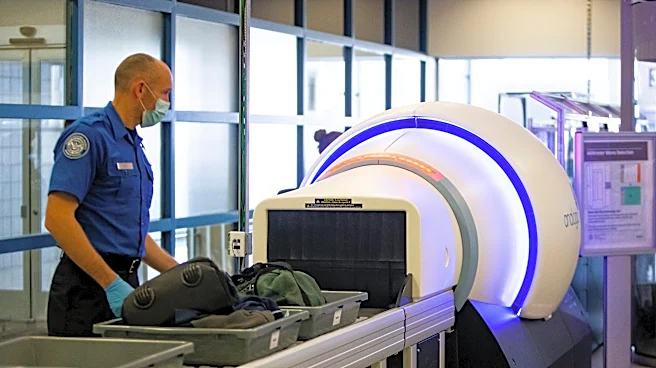
has been expanding the use of new computed tomography, or CT, scanners that create 3D images of carry-on luggage. The technology is designed to improve security screening while making it easier for passengers to keep more items in their bags during screening.
But there is one catch: The new scanners have a smaller opening than older machines, meaning some oversized carry-on bags could run into problems at the checkpoint.
For Californians flying through busy airports such as Los Angeles International, San Francisco International, San Diego International, and Sacramento International, the change reminds them that baggage size rules matter more than ever.
What are the new TSA scanners and why are they being installed?
TSA's new CT scanners use advanced X-ray technology to create hundreds of images of a bag's contents, generating a detailed 3D view for security officers.
According to the agency, the enhanced imaging helps automatically detect explosives and other prohibited items while giving officers a clearer look inside luggage than older 2D systems.
The technology can also help speed up screening. Unlike older checkpoint equipment, some CT systems let passengers leave certain items, including electronics, in their carry-on bags instead of removing them for inspection.
As TSA continues upgrading airports nationwide, travelers will likely encounter the machines more frequently on future trips.
Why some carry-on bags may not fit through the new TSA machines

The issue isn't with TSA rules for carry-on luggage. Instead, it's the physical opening of the new scanners.
A TSA spokesperson told local media that the machines require a smaller opening to accommodate the advanced imaging technology. The scanner opening measures about 24.5 inches wide and 16.5 inches high.
That means bags that push beyond airline carry-on limits, even if travelers have squeezed by in the past, could be flagged at security before ever reaching the gate.
The good news: Most standard carry-on suitcases allowed by major airlines should still fit through the machines.
Industry reports note that the typical airline carry-on size limit of about 22 inches by 14 inches by 9 inches remains within the dimensions of the scanner opening.
How California travelers can make sure their carry-on meets the new size requirements
Before heading to the airport, travelers can take a few simple steps to avoid surprises at the security checkpoint:
Check your airline's carry-on size limits
Not all airlines use identical carry-on dimensions. Review your airline's baggage policy before packing, especially if you're flying a budget carrier with stricter rules.
Measure your bag before your trip
If your suitcase is bulging, expanded or packed beyond its normal dimensions, measure it at home. Wheels, handles and exterior pockets count toward overall size limits.
Avoid overstuffing soft-sided luggage
A bag that technically meets size requirements when empty can become too large when packed to the brim.
Consider checking oversized bags
If you're carrying camping equipment, sports gear, bulky souvenirs or other oversized items, checking a bag may be easier than risking delays at security.
Arrive early during busy travel periods
Holiday weekends, fall break travel and winter vacation periods can already mean longer airport lines. Giving yourself extra time can reduce stress if additional screening is required.
Will your current carry-on still work?
For most travelers, the answer is yes.
The new TSA scanners are primarily affecting luggage that exceeds standard airline carry-on dimensions. Bags that already comply with airline size requirements should have little trouble fitting through the equipment.
Still, travelers who routinely push baggage limits may want to double-check dimensions before their next flight.
As more airports adopt the new technology, packing light and staying within airline guidelines could help Californians avoid an unexpected trip to the baggage counter.
Checked luggage restrictions for domestic flights
Generally, the standard maximum size for checked luggage on most major airlines is 62 linear inches, with a weight of around 40 to 50 pounds. See checked luggage restriction specifics for top U.S. airlines below, and be sure to verify exact requirements with your airline ahead of any trip for the most updated rules:
- American Airlines: Maximum 62 linear inches, 50 pounds.
- United Airlines: Maximum 62 linear inches, 50 pounds.
- Delta: Maximum 62 linear inches, 50 pounds.
- Frontier Airlines: Maximum 62 linear inches, 40 pounds.
Carry-on luggage restrictions for domestic flights
Generally, the standard maximum carry-on size on most major airlines is 22 x 14 x 9 inches, including handles and wheels. See luggage restriction specifics for top U.S. airlines below, and be sure to verify exact requirements with your airline ahead of any trip for the most up-to-date rules:
- American Airlines: 22 x 14 x 9 inches
- United Airlines: 22 x 14 x 9 inches
- Delta: 22 x 14 x 9 inches
- Southwest Airlines: 24 x 16 x 10 inches
USA TODAY contributed to this report.
This article originally appeared on Palm Springs Desert Sun: Why California travelers could face carry-on issues with TSA scanners