




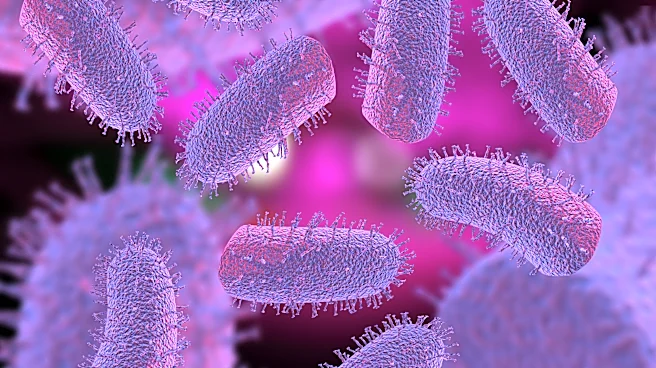
California is among 48 states across the nation where COVID-19 cases are growing, as summer draws to a close, according to the latest data from the Centers for Disease Control and Prevention.
The agency categorized COVID-19 activity as "very low" nationwide as of Aug. 28, though cases are consistently increasing.
The uptick in COVID-19 is likely the result of what has come to be known as the "summer surge," a pattern that doctors have observed each year since around 2022. Unlike other respiratory illnesses such as the flu, COVID-19 tends to flare not only during the typical winter cold and flu season, but also toward the end of summer.
The "summer surge" stems from multiple factors, including behavioral and environmental changes, such as spending
more time indoors in air-conditioned spaces and returning to school, as well as the virus's life cycle and waning immunity, experts told USA TODAY in August.
"COVID-19 is rising nationally, but from a low baseline," Dr. Syra Madad, infectious disease epidemiologist at Harvard’s Belfer Center and chief biopreparedness officer for New York City's public hospitals, told USA TODAY. "The increase became apparent in parts of the South and West during July and more clearly nationwide by late July and early August."
Here's what to know as COVID-19 activity increases in the Golden State.
COVID-19 in California, the rest of the nation
As of Aug. 26,the CDC estimates that COVID-19 infections were growing or likely growing in 48 states, including California.
The California Department of Public Health Respiratory Virus Dashboard shows that the test positivity rate is "moderate" across most of the state and "high" in Central California. The dashboard also shows COVID-19 hospital admission rates as "low."
CDC wastewater data for the week ending Aug. 22 showed that California was among several states that had "moderate" levels of COVID-19 viral activity, while most other states were in the "low" or "very low" categories.
Wastewater tracking involves testing community sewage for viruses and other germs, helping health officials monitor disease spread and identify trends before they appear in clinical testing data.
COVID-19 prevention tips from CDC
To prevent the spread of COVID-19, the CDC recommends the following strategies:
- Stay up to date with COVID-19 vaccines.
- By staying up to date with vaccination, the CDC says it does not prevent infection, but it does lower "the risk of getting very sick, being hospitalized, or dying from COVID-19."
- Practice good hygiene, including covering your coughs and sneezes, washing or sanitizing your hands often, and cleaning frequently touched surfaces.
- Take steps to improve indoor air quality.
- "This can mean bringing in fresh outside air, purifying indoor air, or gathering outdoors. Virus particles do not build up in the air outdoors as much as they do indoors," the CDC says.
When you are sick, you should heed the following, the CDC says:
- Try to take precautions to prevent spread, including staying home and away from others (including people you live with who are not sick) if you have respiratory symptoms.
- Learn when you can go back to your normal activities.
- The CDC recommends that people with respiratory virus symptoms stay home until they are improving and fever-free for 24 hours, then take added precautions for five days to reduce the risk of spreading illness.
- If you have risk factors for severe illness, you should seek health care for testing and/or treatment. "Treatment may help lower your risk of severe illness, but it needs to be started within a few days of when your symptoms begin," the CDC says.
Additional ways to protect yourself and others include wearing a mask and putting distance between yourself and others to limit the risk of spreading COVID-19, according to the CDC. By testing for COVID-19, it can help you decide on next steps, such as "getting treatment to reduce your risk of severe illness and taking steps to lower your chances of spreading COVID-19 to others," the agency says.
This article originally appeared on Palm Springs Desert Sun: COVID-19 infections growing across California, CDC says