



Amid transparency concerns about the Riverside County Sheriff’s Department and growing scrutiny of inmate deaths, the coroner’s office that investigates those deaths could soon become independent of the elected sheriff.
Under legislation passed Tuesday, Aug. 25, by the California Assembly, the county would have a separate medical examiner, not linked to the sheriff, to perform autopsies and rule on the cause and manner of deaths by mid-2027.
The legislation from state Sen. Sabrina Cervantes, D-Riverside, has passed both chambers of the California Legislature and is expected to head to the governor soon for his signature.

The proposal, Senate Bill 1379, requires the Riverside County Board of Supervisors to separate the two offices by July 1, 2027,
and move the coroner’s office employees into a new office of medical examiner. The bill also requires the county to publish new data on in-custody deaths within the sheriff’s department, including an initial incident report within 24 hours of the death.
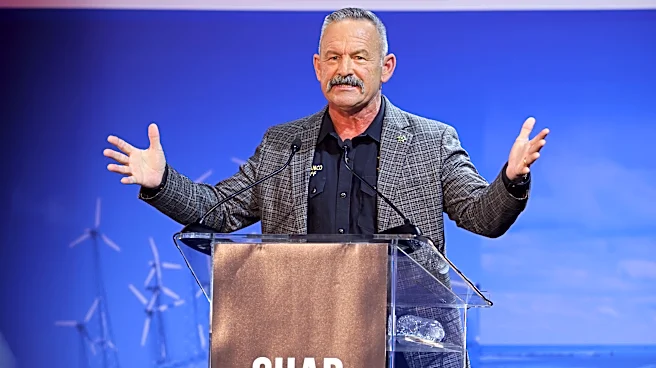
Critics of Sheriff Chad Bianco's leadership have long called for independent autopsies of people who die in county jails. They say the sheriff's control of the coroner presents a conflict of interest in cases where deputies' conduct might have played a role in the deaths.
Many people with loved ones who’ve died in Riverside County jails have described facing repeated delays getting basic information about what happened. The approved legislation will require the county to notify the next of kin of the cause of an in-custody jail death with 72 hours of determining it.
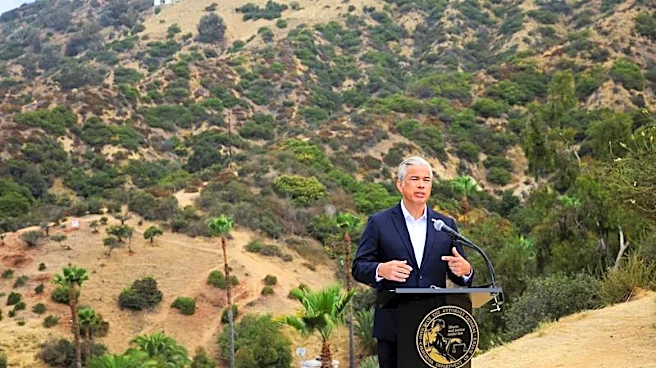
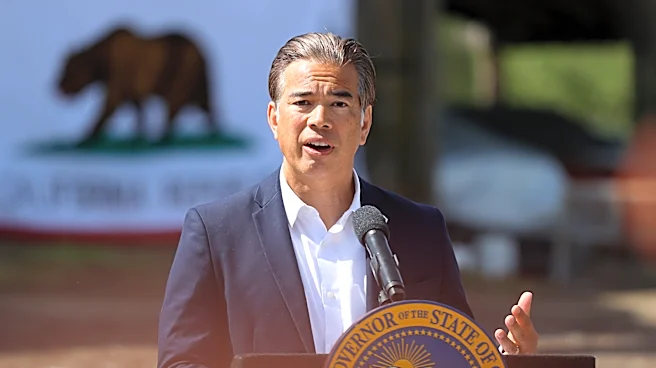
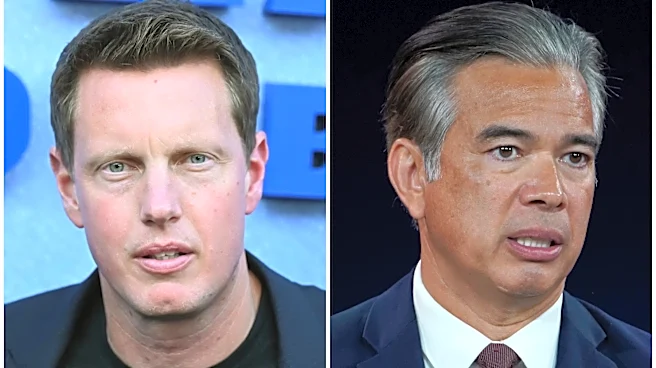
In 2023, California Attorney General Rob Bonta launched a civil rights investigation of the sheriff's department, citing among other things a concerning increase in the county's in-custody deaths. That investigation, which Bianco has criticized as politically motivated, is ongoing.
Bianco, who recently failed in his bid as a Republican candidate for governor, is also feuding with Bonta, a Democrat, over a separate dispute over the sheriff’s seizure of around 650,000 ballots as part of an investigation into alleged voter fraud, with the state’s Supreme Court hearing arguments in that case earlier this week.
Cervantes’ bill cites reporting from a collaboration between The Desert Sun and the New York Times that found the county’s jails were the second-deadliest in the nation from 2020 through 2023. It also notes lawsuits by family members of people who died while in the county’s jails have resulted in settlements worth millions of dollars paid by the county from 2014 to 2024.
During debate on the California Senate floor, Cervantes said the bill “is about restoring public trust, protecting the rights of families of the deceased and ensuring that every death is investigated with independence, transparency and medical expertise.”
“Right now, in Riverside County, the same department that may be responsible for the death of a person in custody is also responsible for investigating and determining the cause of death,” Cervantes said.
Sen. Kelly Seyarto, R-Murrieta, pushed back against the proposal, noting the county’s board of supervisors already declined to separate the offices in 2024, finding the move would be too costly.
“Local officials, not the Legislature, are best positioned to make these decisions and this bill undermines that principle,” Seyarto said during the debate. The measure generally passed along party lines in both chambers, with both of the Coachella Valley's Assembly members, Republicans Jeff Gonzalez and Greg Wallis, voting against it on Aug. 25.
Bianco, an elected sheriff who plans to seek reelection in 2028, criticized the measure in a statement shared with The Desert Sun.
“Only activists and politicians with agendas think it's a good idea to separate the two offices,” Bianco said.

Bianco said the bill would result in county services being “greatly diminished, which is why they were combined in the first place 25 years ago.” In Riverside County, the coroner's office was placed under the control of the sheriff's department in 1999, after having previously operated as a stand-alone department.
Bianco also pointed to the costs of creating a standalone coroner’s office; a prior county report found the coroner’s office has about $6 million in overhead costs that it shares with the rest of the sheriff’s department.
The proposal follows a separate billapproved last year that requires California sheriff's departments to contract with a standalone coroner's office from another county to investigate any in-custody deaths starting in January 2027. During a recent hearing on Cervantes' bill, Riverside County Sheriff's Lt. Julio De Leon said the department is already in the process of seeking independent medical examiners to investigate in-custody deaths.
"This will frustrate that process and force us to either cancel those contracts, those existing contracts, or modify those existing contracts with those outside medical examiners, because we are trying to comply with AB 1108 already," De Leon said.
The vast majority of the state’s counties have the two offices combined, though 10 counties, including Los Angeles and San Diego, have separated them. California is among three states in the nation that do not mandate a separation of the coroner from the sheriff.
The state Legislature has previously considered legislation to mandate their separate across all of California’s counties, but those efforts have failed, with law enforcement and county officials saying proper checks and balances already exist under current models.
As of Wednesday, Aug. 26, the legislation was awaiting a final vote of concurrence by the state Senate to accept any amendments made by the Assembly. Under the legislative schedule, Gov. Gavin Newsom then has until Sept. 30 to sign Cervantes' bill into law.
County reviewing more oversight of sheriff's department
The state bill advanced in Sacramento amid growing scrutiny of the sheriff’s department, with a civil grand jury report recently finding “systemic deficiencies” and calling for independent oversight.
Among the report’s findings were that internal investigations of in-custody deaths “lack structural independence and publicly accessible reporting,” while public data on jail operations is “limited and inconsistent.”
Bianco pushed back against the grand jury’s report, saying in a formal response that it “was prepared completely for political purposes from a preconceived agenda.”
In July, about a month after the grand jury’s report was made public, the county’s board of supervisors agreed to create an ad hoc committee that will bring review options to create additional oversight for the sheriff’s office. The vote marked a change of course by the board, which rejected a similar proposal a year earlier.
The county's ad hoc committee, which consists of Supervisors Jose Medina and Karen Spiegel, will bring recommendations back to the rest of the board within six months.
Tom Coulter covers local government and politics for The Desert Sun. Reach him at thomas.coulter@desertsun.com.
This article originally appeared on Palm Springs Desert Sun: Why Riverside County sheriff may have part of his job taken away