






More than 4 million acres of California forest land may lose protected status under a proposed rollback of the Roadless Rule by the U.S. Forest Service.
The federal government says the rollback is necessary to allow responsible timber production and wildfire mitigation efforts.
Opponents argue rescinding the rule, which prohibits road construction and logging on 45 million acres of national forest land, would increase development, harm wildlife habitat, threaten water supplies and worsen wildfire risk.
A public comment period on the proposal to rescind the 2001 Roadless Rule is open through midnight Sept. 21, 2026.
More than 95% of roadless areas are in 10 Western states: Alaska, Arizona, California, Montana, Nevada, New Mexico, Oregon, Utah, Washington,
and Wyoming, per the USDA.
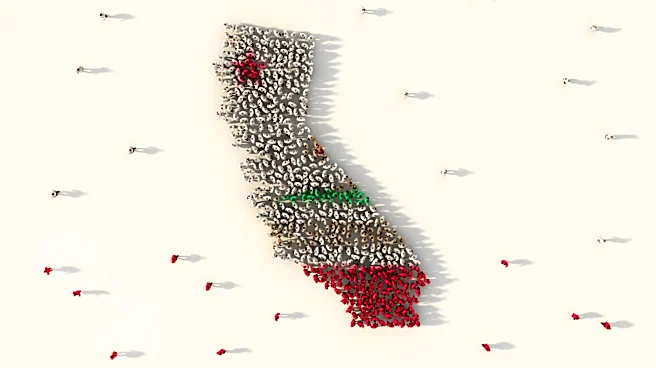
In California, the proposal would open up 4,416,000 acres of roadless land across the state, which has nearly 21 million acres of national forest, the most of any state except Alaska.
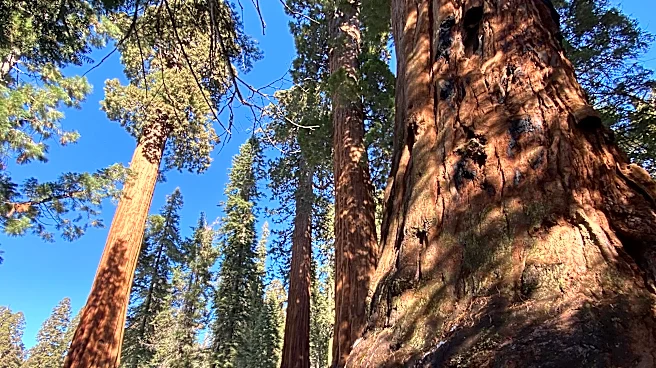
Forests associated with Yosemite, Giant Sequoia National Monument, Stanislaus National Forest, the Pacific Crest Trail, Los Padres National Forest and other well-known California landscapes could be affected.
What opponents to the rule change say
The federal government argues that the Roadless Rule, which covers nearly 23% of the United States' total inventory of national forest land, imposes regulatory requirements on local agency decision-making regardless of specific land management issues and needs.
Opponents in California say the proposal would facilitate future logging, mining, drilling, and other industrial development instead of genuine forest management. As reported by the NY Times, the Trump Administration has cut more than 5,800 jobs from the U.S. Forest Service.
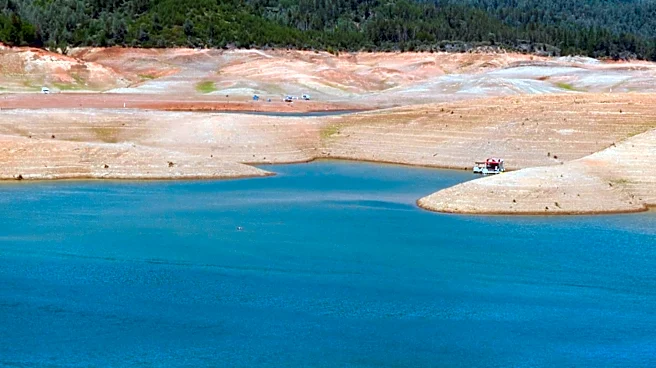
Arguments against the rule change include concerns about impacts on water quality, with opponents pointing to roadless forests that contain headwaters of major rivers, including the Klamath, Tuolumne, Merced, and Sacramento.
Conservation groups argue that new roads would fragment forests, increase habitat loss, and harm sensitive species, native plants, and fish that depend on large, undeveloped landscapes.
Outdoor recreation advocates say the roadless areas preserve backcountry experiences such as hiking, hunting, fishing, mountain biking, and solitude in undeveloped areas, citing the state's $81.5 billion outdoor recreation economy.
While the federal government argues that rescinding the rule would help with wildfire management, opponents point to studies showing that wildfire risk is greatest near road activity.
Analysis from The Wilderness Society (TWS), which examined wildfire data from 1992 to 2024, found that wildfires are nearly four times more likely to start in forest areas with roads than in roadless areas.
U.S Representative Jared Huffman called the federal government's proposal "reckless."
"Now they want to build thousands of miles of new roads through our national forests, when we know most wildfires start within a half mile of a road, all so they can make it easier to clear-cut old-growth forests that have stood for centuries," said Huffman in a statement. "It’s reckless."
Huffman added: "These forests belong to the American people, and they have said, over and over, that they want them protected. We will fight this in Congress."
What is the Roadless Rule?
Enacted in 2001 by the Clinton Administration, the Roadless Rule restricts road construction, road reconstruction, and timber harvesting on 45 million acres in the National Forest System.
The rule was created after more than 600 public hearings were held across the country, generating more than 1.6 million public comments in favor of adopting it—more comments than any other rule in the nation’s history, according to Earthjustice.
According to reporting by CalMatters, the land is "considered important for providing habitat for more than 200 threatened or endangered species of wildlife, including owls, salmon and frogs, and for protecting vital watersheds."
This article originally appeared on Palm Springs Desert Sun: More than 4M acres of California forests could lose federal protection