



On Aug. 6, 1998, I attended the Lilith Fair tour at Blossom Music Center in Cuyahoga Falls, Ohio. I was only 18 years old, but I'll never forget the all-women festival, which was founded and headlined by Sarah McLachlan.
Twenty-eight years later on Aug. 29, 2026, I attended Daisy Chain Fields music festival at Great Park in Irvine, California — Olivia Rodrigo's debut all-women festival, which she told Diane Sawyer on "Good Morning America" was inspired by Lilith Fair.
So, how did the two events compare?
Lilith Fair had fewer men
My Lilith Fair experience turned out to be different from what I expected, and it remains one of my favorite concert memories.
The audience was seemingly composed of somewhere between 80 and 85% women, and the lineup included notable artists such
as Bonnie Raitt, Liz Phair and Luscious Jackson, among others. It was an all-female lineup that was both multigenerational and diverse.
The original Lilith Fair, which took place three times between 1997 and 1999, was launched in response to touring festivals like OzzFest and Lollapalooza, which primarily showcased male-dominated lineups with very few female artists. McLachlan had also been told by industry experts that concerts or festivals featuring only women would not be commercially successful, and the tour had many critics giving it chauvinist and sexist nicknames such as “Breast Fest.” But it was a massive financial and cultural success, proving women were commercially viable in the music industry.

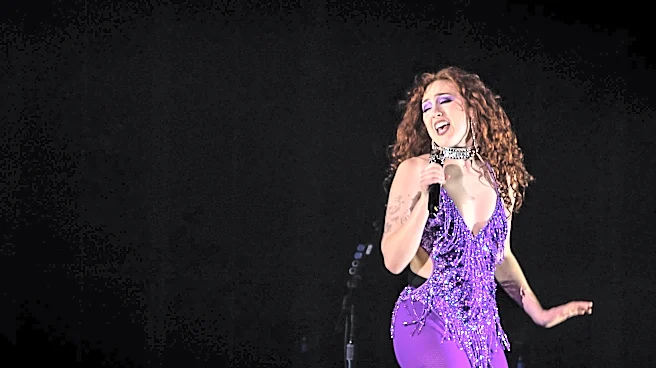
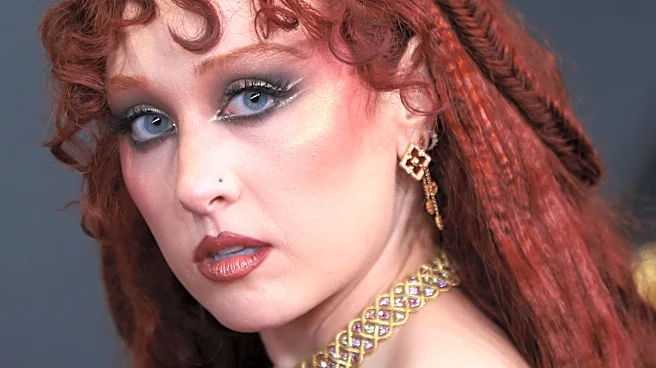
On Aug. 29 at Great Park in Irvine, Rodrigo put on a kind of homage to the original Lilith, a festival full of that familiar empowering messaging, but Instagram-ized for 2026: Daisy Chain Fields, a one-day-only festival featuring an all-women lineup with stars like Doechii, Chappell Roan and, of course, Rodrigo herself.
The festival founder told the massive crowd at her headlining set all about Lilith, shouting out McLachlan as the founder of the first-ever all-women festival.
“Without Lilith Fair, there would be no Daisy Chain,” she said definitively before inviting McLachlan onstage so the two could sing “Building a Mystery.”
The question of whether an all-female festival could be successful has already been answered thanks to McLachlan and the team behind Lilith, but does that kind of festival carry the same weight in 2026? If ticket sales are any indicator, then yes.
Passes for the Daisy Chain Fields festival sold out 30 minutes after they went on sale in June. Even with the presence of icons McLachlan, Alanis Morisette and Stevie Nicks as special guests during Rodrigo’s headlining set, the spirit of Lilith Fair was different from that of Daisy Chain Fields.
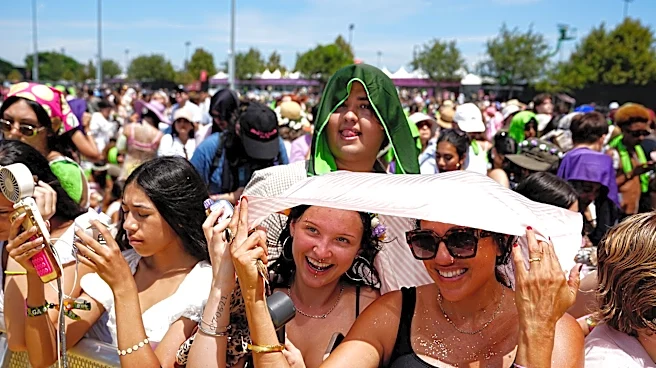
For one, there were way more men at Daisy Chain than Lilith, the latter of which only included the occasional male partner like yours truly. I noticed many young heterosexual couples walking through Great Park hand in hand, along with small groups of men sitting on the grass and several co-ed friend groups enjoying each other's company.
Daisy Chain Fields was founded on a mission that people of any gender can get behind (though not people of every political persuasion, but that’s better left for someone else’s column): to uplift and support women and girls while raising money for charities that advocate for them, and it included some of the same causes that put McLachlan in the crosshairs of pro-life groups and conservatives during the '90s.

As seen in the 2025 documentary “Lilith Fair: Building A Mystery,” McLachlan and festival organizers included a booth for Planned Parenthood during its stops, which become a talking point outside the festival by pro-life protesters and when McLachlan addressed it during interviews. Lilith Fair also supported RAINN (Rape, Abuse & Incest National Network), The Breast Cancer Fund, the HIV/AIDS prevention organization LIFEbeat, and local domestic violence shelters in each city.
Daisy Chain Fields included Planned Parenthood in its list of 10 nonprofit partners, along with two other organizations that support reproductive rights: the National Institute for Reproductive Health and the Center for Reproductive Rights. Additionally, the list featured maternal health organizations such as the Black Mamas Matter Alliance, the Johns Hopkins Center for Indigenous Health, and Jhpiego. Baby2Baby, an organization that provides basic necessities to children living in poverty, was also a beneficiary. Other recipients included FreeFrom, the national organization for domestic violence survivors; the National Women’s Law Center; and the National Domestic Workers Alliance.
Lilith Fair and nearly every other U.S. music festival in the '90s had corporate sponsorships. Daisy Chain Fields partnered with companies like Lego, Depop, and Etsy, which had the largest and most prominent installations at the festival. In contrast, advocacy organizations were located in a hangar called the Daisy Reaction Experience. However, the hangar attracted just as many visitors as the corporate installations, with long lines forming in front of all the booths inside.
Although some Lilith Fair artists made political statements during their sets, that kind of messaging seemed more prominently on display at Daisy Chain Fields - though sometimes in stage design more than in messaging directly from the artists’ mouths. Both stages were decorated with political buttons that said "Bans off our bodies," "Baby2Baby," "Support Local," and "Reproductive rights are human rights." Many of the artists made political statements throughout the day, and the '90s feminist riot grrrl band Bikini Kill was particularly well received.
Mitski said during her set, “I feel like we should do this every year."
I agree, and Rodrigo and the organizers don't need to make Daisy Chain Fields out to be a carbon copy of Lilith Fair. Even though the glass ceiling was broken for women in music festivals and concert tours a while ago, Daisy Chain Fields shows there's still a need for a women's music festival in the current culture.

Brian Blueskye covers arts and entertainment for the Desert Sun. He can be reached at brian.blueskye@desertsun.com.
.
This article originally appeared on Palm Springs Desert Sun: Olivia Rodrigo's Daisy Chain Fields proves female festivals matter