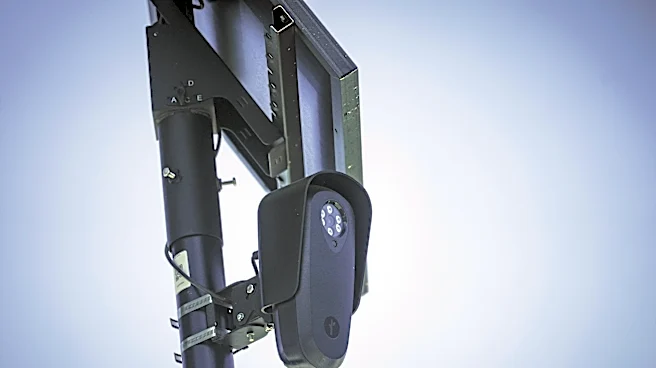









As questions mount over law enforcement's use of cameras that automatically record vehicle movements, the Palm Springs Police Department has established a citizens oversight board it hopes will alleviate concerns.
Known as the Technology and Surveillance Community Advisory Board, this five-member panel met for the first time at noon, Thursday, Aug. 27.
Police said the board members declined to make their identities immediately public. But PSPD says the panel is composed of a mix of tech experts and those who are skeptical of the police's use of advanced technological systems like automated license plate readers.
"The chief chose to bring this group together, not because state law requires it, or not because the council requires it. But because we
want better insight," said PSPD Lt. William Hutchinson. "We were intentional about finding people that were in opposition, or who had already reached out and expressed interest in doing this ahead of time."
Though it will eventually review other police uses of technology, such as drones or body-worn cameras, the board will begin with a focus on automated license plate readers, or ALPRs. Hutchinson said the board's meetings will not be public so it can review sensitive materials that are not publicly releasable, such as investigative leads in open cases. But the board will post some materials publicly.
Opposition to automated public surveillance has spread throughout the country as more and more law enforcement agencies adopt such practices. Many departments record and store the data of all vehicles that pass by certain intersections using ALPRs. Investigators can then find suspects when a crime happens by tracing what vehicles were in the area at the time. Once they have a suspect vehicle, they can also find where it went before and after a crime.
In the Coachella Valley, police departments have rapidly expanded the use of ALPRs over the past five years. An analysis by The Desert Sun found 748 ALPRs throughout the valley, a relatively high concentration when compared to some other cities nationally.
The cameras store license plate numbers, as well as the make and model of the vehicle, and hold the information for 30 days in a searchable database that can be used by investigators.

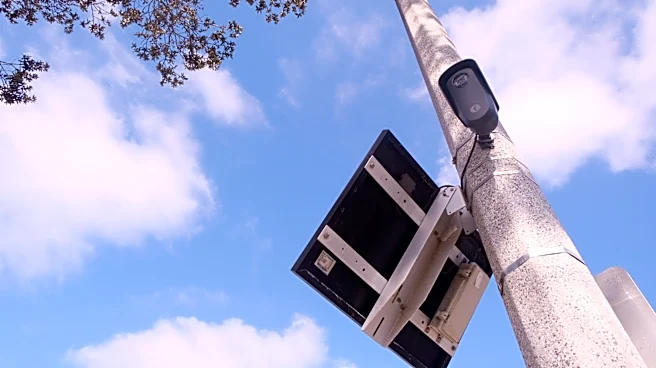
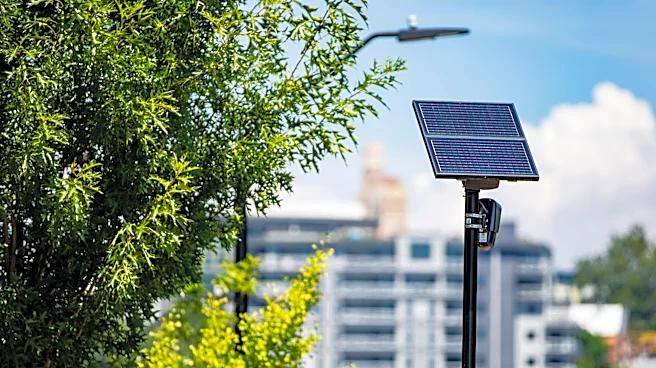
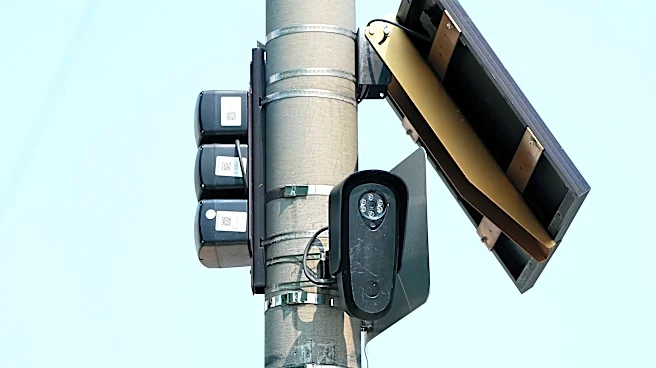
Palm Springs and other cities use ALPRs designed and operated by Flock Safety, a private company based in Georgia that has become synonymous with mass surveillance. A worker replacing a vandalized Flock camera in Palm Desert was confronted recently by a man who damaged the new camera, then slashed the driver's tires and threatened to stab him, according to the Riverside County Sheriff's Department.
In addition to ALPRs, Palm Springs also has installed 169 closed-circuit television cameras that are also a part of the Flock system. The closed-circuit cameras don't automatically capture data and aren't monitored around the clock, but police can review their footage if a crime happens nearby.
While a state law prohibits agencies outside California from accessing data from a police ALPR, breaches have been known to occur, and many residents remain skeptical.
The Palm Springs oversight board will be responsible for reviewing department audits of database searches to ensure investigators are complying with the city's policies. Other duties will include recommending improvements to the police chief, preparing public postings about the department's use of the technology and interfacing with residents about concerns.
"We’re not looking for 'yes' men and women on this board," Hutchinson said. "We’re looking for people who are going to ask the tough questions."
The board was created without the direct involvement of the city council and will report directly to the chief. Hutchinson said this was done so the board could be created quickly.
PSPD chose its membership and the board's reports will be hosted on a webpage maintained by the department.
Although the five board members' names have not been made public, Hutchinson said a public disclosure should come at some point in the future.
For now, the board is establishing what its priorities will be. The chief plans to convene the board monthly at first before moving to a quarterly or bi-annual schedule.
The department plans to make presentations to the board on how surveillance technology works, and future presentations may be made by Flock Safety representatives.
The lack of direction is part of the plan, according to PSPD. They aim for the board to have a high level of independence.
"We do not have a seat at the table on this board as a department," Hutchinson added. "We want them to say this is what we’re going to look at."
Sam Morgen covers local government for The Desert Sun. Reach him at smorgen@gannett.com.
This article originally appeared on Palm Springs Desert Sun: Why Palm Springs’ use of Flock cameras will get citizen oversight