


Across recent polls, one theme has remained consistent: California’s gubernatorial race may hinge on affordability.
In a recent UC Berkeley Institute of Governmental Studies poll, voters were presented with a list of issues in the upcoming November general election and asked to pick their top concerns; reducing the cost of living ranked first.
A separate Public Policy Institute of California survey also found that 65% of voters say a candidate's position on affordability is very important in determining their gubernatorial pick.
Though the gubernatorial candidates agree the state needs to address its affordability crisis, they differ sharply on their solutions.
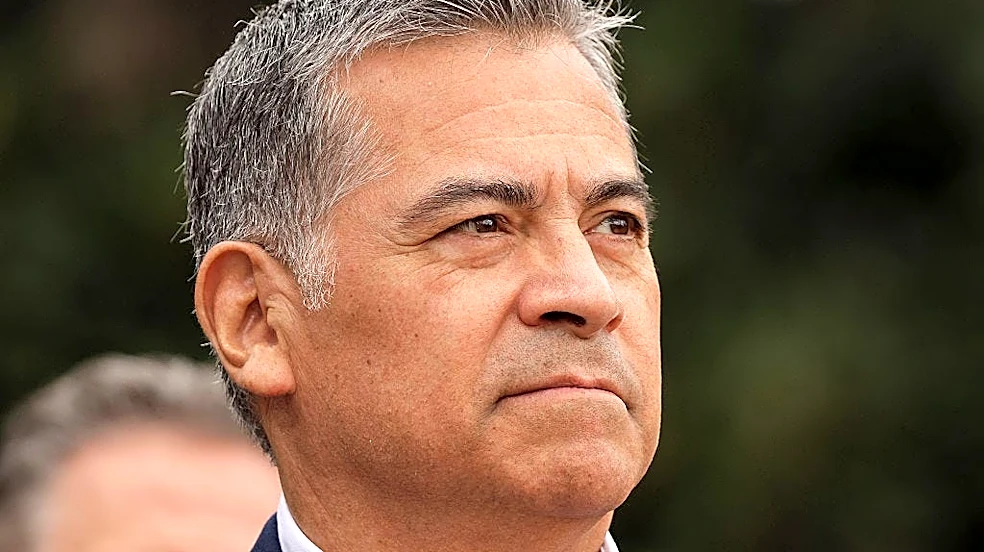
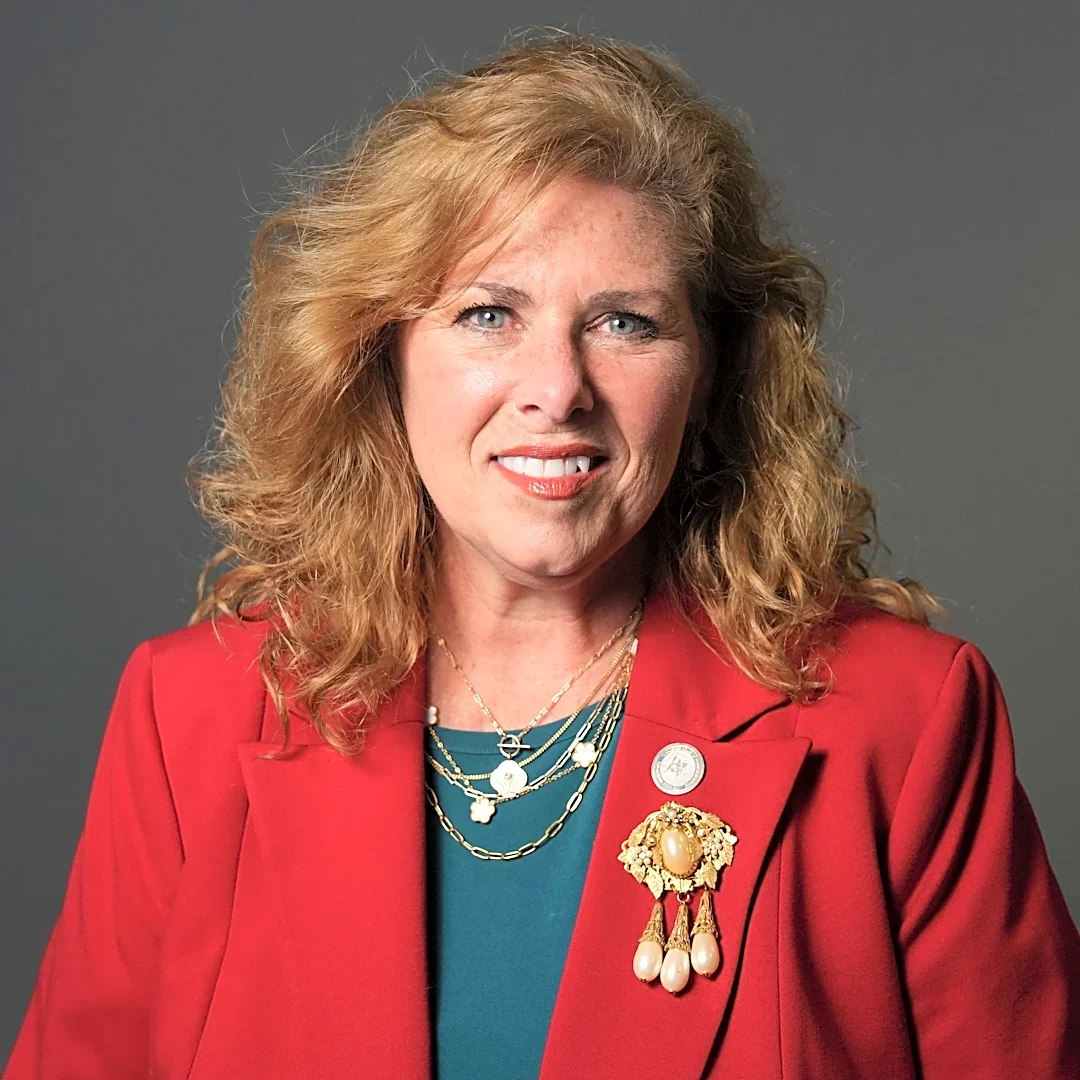
Becerra, the former California attorney general who most recently served as secretary
of health and human services in the Biden administration, offers proposals centered on aggressive state intervention and reducing bureaucratic hurdles.
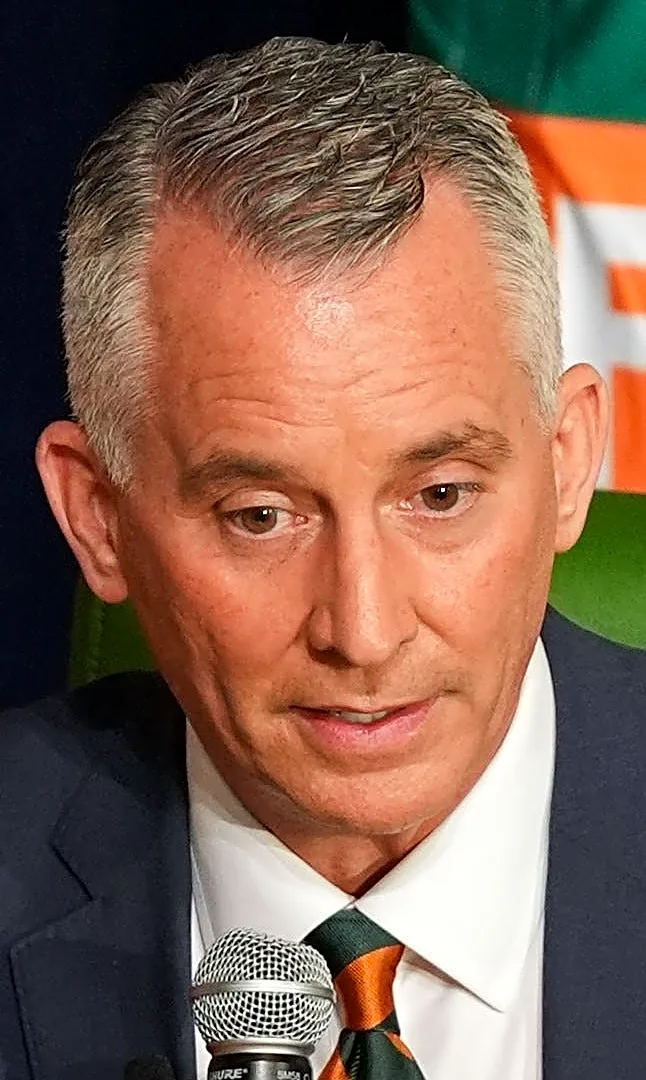
Meanwhile, Hilton, a former Fox News host and U.K. political strategist, proposes lowering the cost of living through deregulation, tax cuts, and government spending cuts.
Here’s how each gubernatorial candidate would approach the state’s affordability issue.
Xavier Becerra’s affordability plans for California
Becerra argues that the cost-of-living crisis isn't the result of any one party's policies, but of structural issues that need to be remedied.
"This affordability crisis isn’t about people working harder or budgeting better; it’s about systems that have stopped working for everyday Californians," Becerra says on his campaign website.

Becerra said in May that the solution to the state's affordability crisis lies in "building more housing, protecting health care, and keeping costs down for working families."
Housing is a key component of Becerra's affordability agenda.
Becerra has pledged to "close the housing gap" if elected governor, arguing that California's housing crisis stems from a chronic shortage of homes. To address the problem, he has proposed doubling the state's homebuilding rate, cutting regulatory red tape, and expanding down payment assistance programs to help more Californians afford homeownership.
"We want to make sure that we help those who want to buy a house get in a house," Becerra said at an April 22 gubernatorial debate. "Most Californians who are renting are essentially paying a monthly mortgage, except it's called rent. I would convert them into homeowners by helping them with their down payment."
Beyond housing, Becerra's platform calls for lowering health care costs for Californians.
Citing his tenure as U.S. secretary of health and human services, during which he says he negotiated lower drug prices and limited out-of-pocket costs for seniors, Becerra also says he will negotiate lower prescription drug costs for Californians. Becerra also says he would expand California's CalRx program, increase access to preventive care and telehealth, and reduce administrative costs. He has also proposed using state purchasing power to lower premiums and out-of-pocket costs.
If elected governor, Becerra says he will focus on lowering Californians' everyday expenses.
Becerra has promised to crack down on price gouging and unjustified rate increases that raise consumer costs. He has also argued for expanding child care assistance and other support for essential household expenses to help working families.
Becerra also said he would focus on utility costs, proposing a "Power Hour" initiative that would give eligible working families up to two hours of free electricity each day during the middle of the day. Eligible households would have to meet certain income thresholds.
"As an example, a family of four earning less than $82,500 a year would qualify for the program. Income thresholds are scaled for smaller and larger households, and full eligibility guidelines will be finalized as the program is developed," according to Becerra's campaign.
Becerra says his approach to affordability keeps working families at the forefront.
"California should work for the people who live and work here, not just those at the top—and my administration will make affordability a top priority across every part of state government," his campaign website says.
Steve Hilton’s affordability plans for the Golden State
Hilton sees California's high cost of livingas rooted in government overreach and calls for reduced regulations and taxes to spur economic growth.
"California has been under Democrat one-party rule for 16 years, and they have failed our state," Hilton wrote in an April Facebook post. "Their selfishness and greed has given us the highest unemployment, highest poverty, highest cost-of-living, and the worst business climate."

For Hilton, the state's housing shortage is the main driver of the state's high cost of living.
"It is the direct result of policy choices, many of them well-intended, that have nevertheless combined over the years to make it almost impossible to build homes on the scale we need," Hilton wrote in one of his campaign policy reports. "But these policies can be changed."
Hilton has argued the housing crisis cannot be solved by setting housing production targets. Instead, he has argued, the state should focus on changing policies that drive up building costs.
"The quickest way to reduce the cost of housing is for the government to stop making it more expensive," Hilton said at a Sept. 30 CNN debate.
He has called for curbing California Environmental Quality Act litigation, reducing development fees, easing zoning restrictions and making it easier to build both suburban and urban housing.
To address affordability, Hilton has also called for lowering costs for businesses by overhauling California's tax and regulatory system. He argues that excessive regulation has increased costs for small businesses, thereby discouraging economic growth in the state.
"We need a complete rethink of how we regulate small business. ... If we want California to be the engine of innovation and opportunity, we must reform our tax and regulatory regime in modern, creative ways," Hilton's campaign website says.
Hilton has promised to eliminate the state's annual $800 tax on small businesses.
Another tax proposal on Hilton's platform is to eliminate California income taxes on the first $150,000 of income.
"This is how we make California Califordable again—so working families can actually afford to live, raise kids, and get ahead here," Hilton said in an April post on X.
As governor, Hilton says he would lower costs for Californians, from gasoline to utility costs.
Hilton has promised $3 gasoline for Californians. Part of Hilton's plan to reach $ 3 per gallon of gasoline includes cutting some state environmental regulations, increasing in-state oil production, and eliminating the state's excise tax.
In addition to lowering gas prices, Hilton also aims to "cut the typical California water bill in half, from $81 to roughly $40 a month," his campaign website says.
To do this, Hilton says he would invest in new storage and water infrastructure, expand desalination, streamline permitting, and use improved forecasting technology to capture more water during wet years.
When is California’s general election?
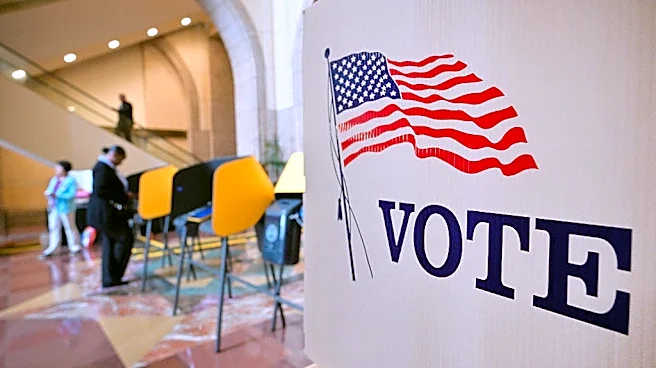
California's general election will be held on Tuesday, Nov. 3.
According to state officials, the last day to register to vote for California’s general election is Oct. 19.
Registered voters began receiving their general election ballots by mail in early October.
This article originally appeared on Palm Springs Desert Sun: How Becerra and Hilton would tackle California affordability