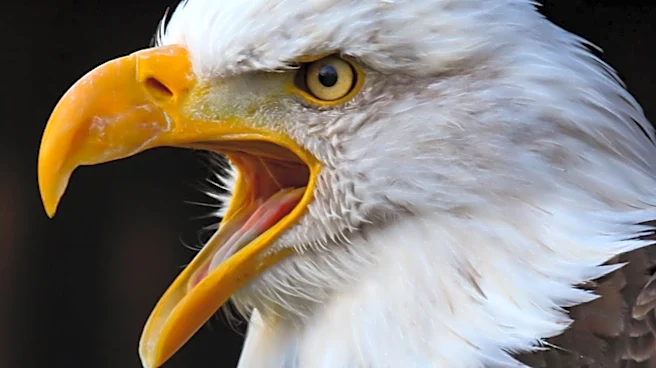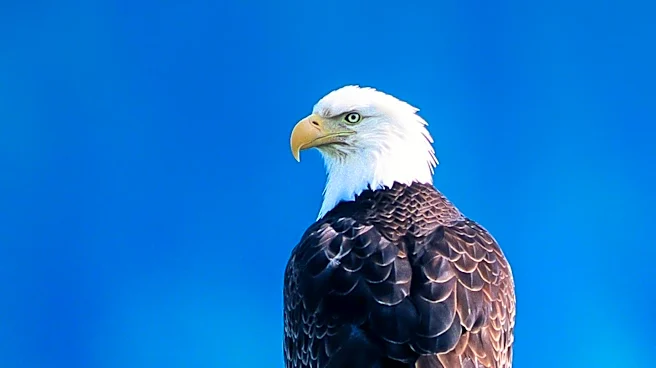




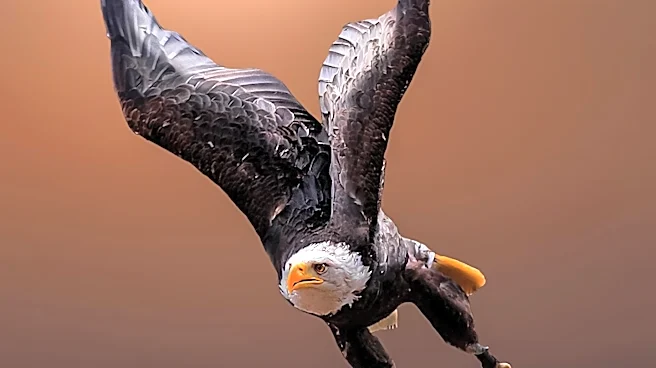
The remains of Jackie, one half of the famous bald eagle pair whose Southern California nest attracted viewers from around the world, will not be returning to Big Bear Valley.
Instead, her remains will be transported to the National Eagle Repository, the California Department of Fish and Wildlife said in a Tuesday, Aug. 11, news release.
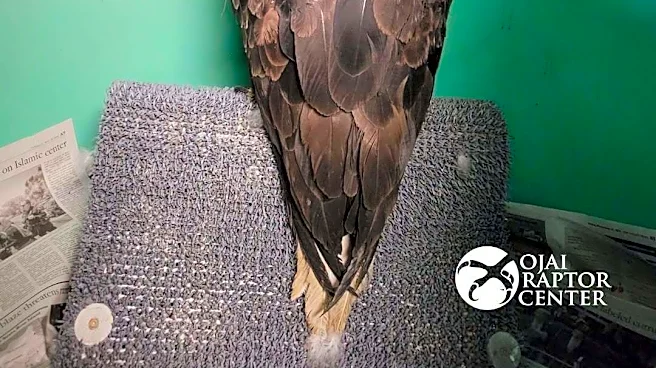
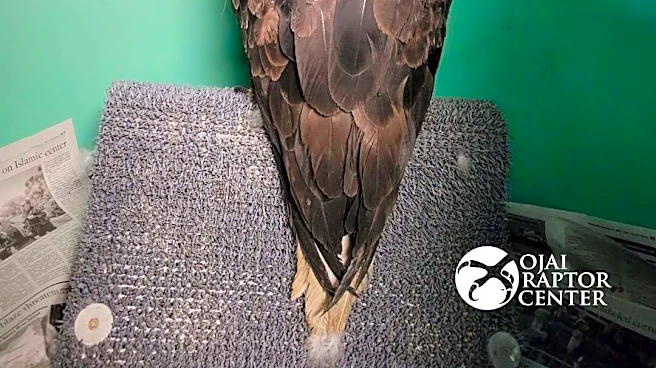
The bird, which garnered celebrity status around the globe, died overnight on Aug. 9 while undergoing weeks of intensive medical care at the Ojai Raptor Center, wildlife officials said. Before her death, Jackie faced additional health challenges, including a large blood clot in her wing and kidney, as well as another decline in her blood value.
“California mourns Jackie, the Big Bear bald eagle who reminded us
of the beauty and wonder of California’s wildlife, and our shared responsibility to protect the habitats that sustain it," Gov. Gavin Newsom said in the release.
Jackie’s remains headed to National Eagle Repository. What is it?
After San Diego Zoo Wildlife Alliance veterinary pathologists perform a necropsy, Jackie’s remains will be taken to the National Eagle Repository, "a one-of-a-kind facility operated by the U.S. Fish and Wildlife Service’s Office of Law Enforcement,” according to wildlife officials.
The repository, which is based in Colorado, a short drive from Denver, "receives, evaluates, stores, and distributes eagle remains, parts, and feathers to enrolled members of federally recognized tribes throughout the United States for religious, cultural, and ceremonial purposes,” wildlife officials said. In addition, it offers educational programs that "promote understanding and conservation of bald and golden eagles.”
Jackie’s health journey. 'An extraordinary privilege to care for her'
Jackie arrived at the center on July 18 after the already ill bird was involved in a ground altercation with two juvenile eagles near the family nest. An initial examination revealed Jackie was thin and dehydrated and suffering from severe anemia, low blood protein, and kidney and lung abnormalities, according to wildlife officials.
Immediate veterinary treatment included fluids, oxygen therapy, nutritional support and intensive, round-the-clock monitoring. Jackie underwent additional diagnostic testing, including a contrast CT scan, bone marrow biopsy and specialized testing for heavy metals.
Veterinarians at the Raptor Center worked closely with specialists across the country to evaluate the available findings while some test results remained pending. Despite intensive treatment, her prognosis became increasingly poor.
On July 22, Jackie received a blood transfusion using donor blood from Spirit, an ambassador bald eagle at the California Living Museum (CALM) Zoo in Bakersfield. Veterinary specialists hoped the transfusion would stabilize her anemia, and while Jackie initially showed temporary improvement, her packed cell volume declined again by Aug. 3. Advanced diagnostic testing showed thrombosis in her wing and near one kidney.
Despite periods of temporary improvement and extensive efforts by wildlife rehabilitation experts and veterinarians at the Raptor Center, Jackie’s condition ultimately continued to deteriorate after more than three weeks of intensive medical care.
“Throughout Jackie’s time at Ojai Raptor Center, every decision was guided by the available medical evidence, her welfare, and our responsibility to do what was in her best interest,” Ojai Raptor Center Executive Director Chris Eksteen said in the release. “Though our team is heartbroken, it has been an extraordinary privilege to care for her.”
From first documented Big Bear eaglet to beloved mama eagle
In summer 2012, Jackie became the first documented bald eagle chick hatched in Big Bear Valley.
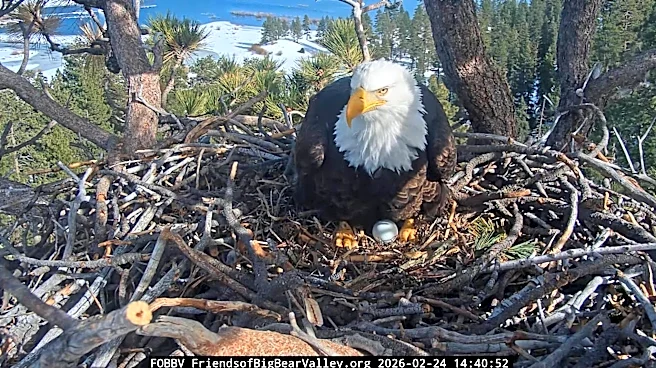
The nonprofit Friends of Big Bear Valley installed a livestream nest camera in October 2015, allowing millions of viewers around the world to watch life unfold in the eagles' nest 24/7.
Cindy Smith was among those who watched from afar. Smith told the Victorville Daily Press of her family's deep connection with Jackie.
“I understand that Jackie was a wild animal and driven by instinct, she became part of our family as we watched her, Shadow and her babies,” Smith told the newspaper. “Losing Jackie is like losing a part of our family.”
Jackie’s inspiration ‘won't be forgotten’
Jackie and her mate, Shadow, captured the hearts of thousands as the world eagerly watched the pair's story unfold from their nest in Fawnskin near Big Bear Lake in the San Bernardino Mountains.
In a statement, CDFW Director Meghan Hertel said millions of people who never set foot near Big Bear peered into the lives of Jackie and Shadow for years as they "raised eaglets, lost eggs, survived extreme weather, fought for their nest and, most recently, as Jackie fought for her own life."

“Sharing her story inspired deep care in people and a broader understanding of why conservation matters,” Hertel said.
Jackie’s story may have ended, Hertel said, but “the inspiration and the lessons she gave so many people won't be forgotten.”
“Our hope is that they inspire greater efforts to protect the wild places eagles and other species need to live out their lives,” Hertel said.
Paul Souza, Regional Director of the U.S. Fish and Wildlife Service’s Pacific Southwest Region, echoed the sentiment, noting Jackie's story "captured the attention of people across the country and helped foster a deeper connection with wildlife."
“The public’s connection to this eagle is a powerful reminder of why the conservation of bald eagles matters," Souza said.
This article originally appeared on Palm Springs Desert Sun: What happens to Big Bear Valley eagle Jackie’s remains? What to know