






If it feels like mosquitoes have been especially relentless this year, you're not imagining it.
Vector control officials in Northern California say an invasive mosquito known as Aedes aegypti is continuing to spread, bringing more daytime bites to neighborhoods and backyards. Unlike many native mosquito species that prefer marshes, ponds and other bodies of water, this mosquito thrives around homes and can breed in tiny amounts of standing water, even water collected in a bottle cap or plant saucer.
Officials in Shasta County say they're receiving numerous reports from residents who have experienced far more mosquito bites than usual in 2026, particularly during daylight hours.
The mosquito's spread is not limited to Northern California. State
health officials have documented established populations across much of California, including portions of the Bay Area, Central Valley, Inland Empire, Los Angeles region, Orange County, Ventura County and San Diego County.
According to the California Department of Public Health, Aedes aegypti has been detected in at least 28 California counties as of 2026, making it a concern for residents far beyond Shasta County.
Why are Californians seeing more invasive mosquitoes in 2026?

The mosquito drawing concern is Aedes aegypti, sometimes called the yellow fever mosquito.
First detected in Shasta County in 2020, the species has expanded rapidly in Northern California, according to local vector control officials. Residents have reported unusually persistent mosquitoes that bite during the day, targeting exposed skin on hands, feet, faces, arms and legs.
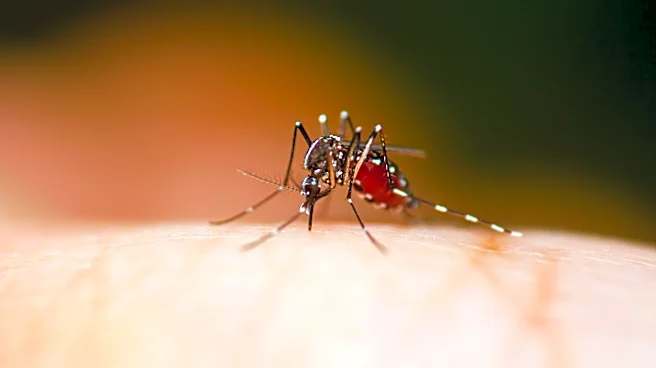
Unlike many California mosquitoes that are most active around dawn and dusk, Aedes aegypti often bites throughout the daytime. The insects are small, dark-colored and recognizable by the white stripes on their legs and upper bodies.
Officials say the species is particularly difficult to control because it lives close to people and breeds in residential areas rather than large bodies of water that can be treated through traditional mosquito-control programs.
Are invasive mosquitoes spreading outside Northern California?
Yes.
While Northern California communities such as Shasta County have recently reported growing mosquito populations, state tracking data show Aedes aegypti has spread across large portions of California.
The California Department of Public Health reports established populations in counties including Alameda, Contra Costa, Sacramento, San Joaquin, Santa Clara and Solano in Northern California, as well as Fresno, Kern, Tulare and Merced in the Central Valley. The mosquito is also established in Los Angeles, Orange, Riverside, San Bernardino, Ventura and San Diego counties. [cdph.ca.gov], [cdph.ca.gov]
Health officials say the insect's ability to breed in tiny water sources and survive close to humans has helped fuel its expansion throughout the state.
Because the mosquito can hitch rides in vehicles, outdoor equipment, plant containers and other items moved between communities, experts warn new infestations can emerge quickly if breeding sites are not eliminated.
Can Aedes aegypti mosquitoes spread disease?
While the species is not known for transmitting West Nile virus in California, health officials remain concerned because it can carry several serious diseases in other parts of the world.
According to public health agencies, Aedes aegypti is capable of transmitting dengue, Zika, chikungunya and yellow fever under the right conditions.
Local officials said mosquitoes collected in Shasta County have not tested positive for those diseases this year. However, experts continue to monitor populations because the mosquito's presence increases the potential risk if infected travelers introduce a virus into an area.
The mosquitoes can also spread heartworm to dogs and other animals, a potentially fatal parasitic disease.
How can you keep invasive mosquitoes out of your yard?
Vector control officials say reducing breeding sites around homes is the most effective way to lower mosquito populations.
Residents should:
- Dump standing water from plant saucers, buckets and outdoor containers.
- Empty and scrub pet water bowls regularly.
- Clean debris from gutters.
- Remove or recycle old tires.
- Change water in bird baths frequently.
- Check children's toys, tarps and other outdoor items that collect water.
Officials note that Aedes aegypti eggs can survive for extended periods even after containers dry out, making regular cleaning important.
How can you avoid mosquito bites?
To reduce the risk of bites, health officials recommend:
- Using an EPA-registered insect repellent.
- Wearing long sleeves and long pants when possible.
- Keeping doors and windows screened.
- Eliminating standing water around homes each week.
- Protecting pets with veterinarian-recommended heartworm prevention.
Mosquito season typically continues well into fall in many parts of California, meaning residents may need to remain vigilant even after summer temperatures begin to ease.
This article originally appeared on Palm Springs Desert Sun: Invasive mosquito spreads across California. How to stay safe