





For the first time in more than 25 years, Riverside County's coroner's office will soon operate independently of the elected sheriff amid growing scrutiny of inmate deaths and transparency concerns about the department's role in investigating them.
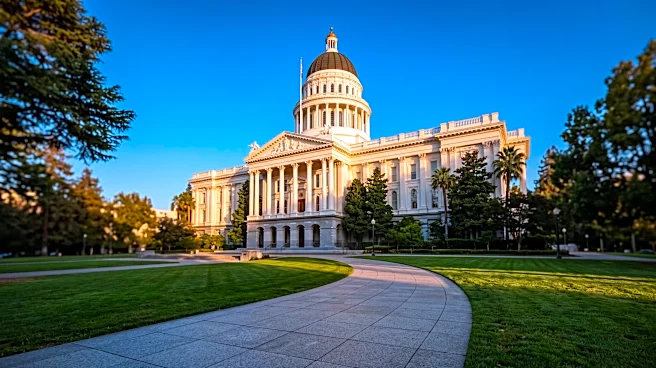
A new law signed by Gov. Gavin Newsom on Wednesday, Sept. 30, means that by July 1, 2027, responsibility for performing autopsies and ruling on the cause and manner of violent, sudden or unusual deaths will shift from the Riverside County Sheriff's Department to a new medical examiner's office.
Senate Bill 1379 also requires the county to publish new data on in-custody deaths within the sheriff's department, including an initial incident report within 24 hours of the death.

The bill, authored by state
Sen. Sabrina Cervantes, D-Riverside, cited reporting from a collaboration between The Desert Sun and The New York Times that found the county's jails were the second-deadliest in the nation from 2020 through 2023.
It also notes lawsuits brought by families of people who died while in the county's jails resulted in nearly $100 million in settlements from 2014 through 2024.
"Senate Bill 1379 — which is a targeted solution to fix a long-broken system in my home county of Riverside — has been a long time coming. The goal of this new law is simple: When an individual dies in custody in a Riverside County jail, their family and the public deserve transparency," Cervantes said in a press release Wednesday. "We owe the families the truth; we owe our communities accountability; and we owe county taxpayers a system they can trust."

Growing scrutiny over deaths in county jails
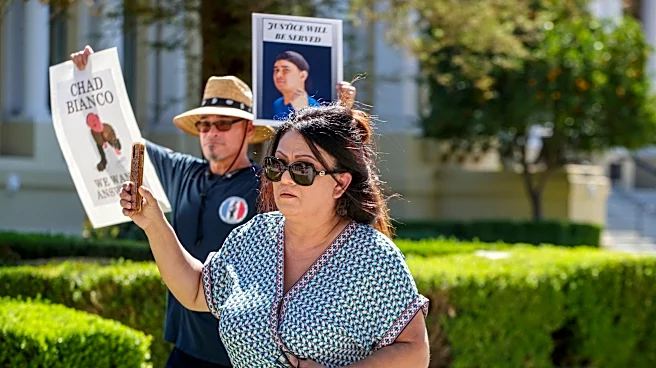
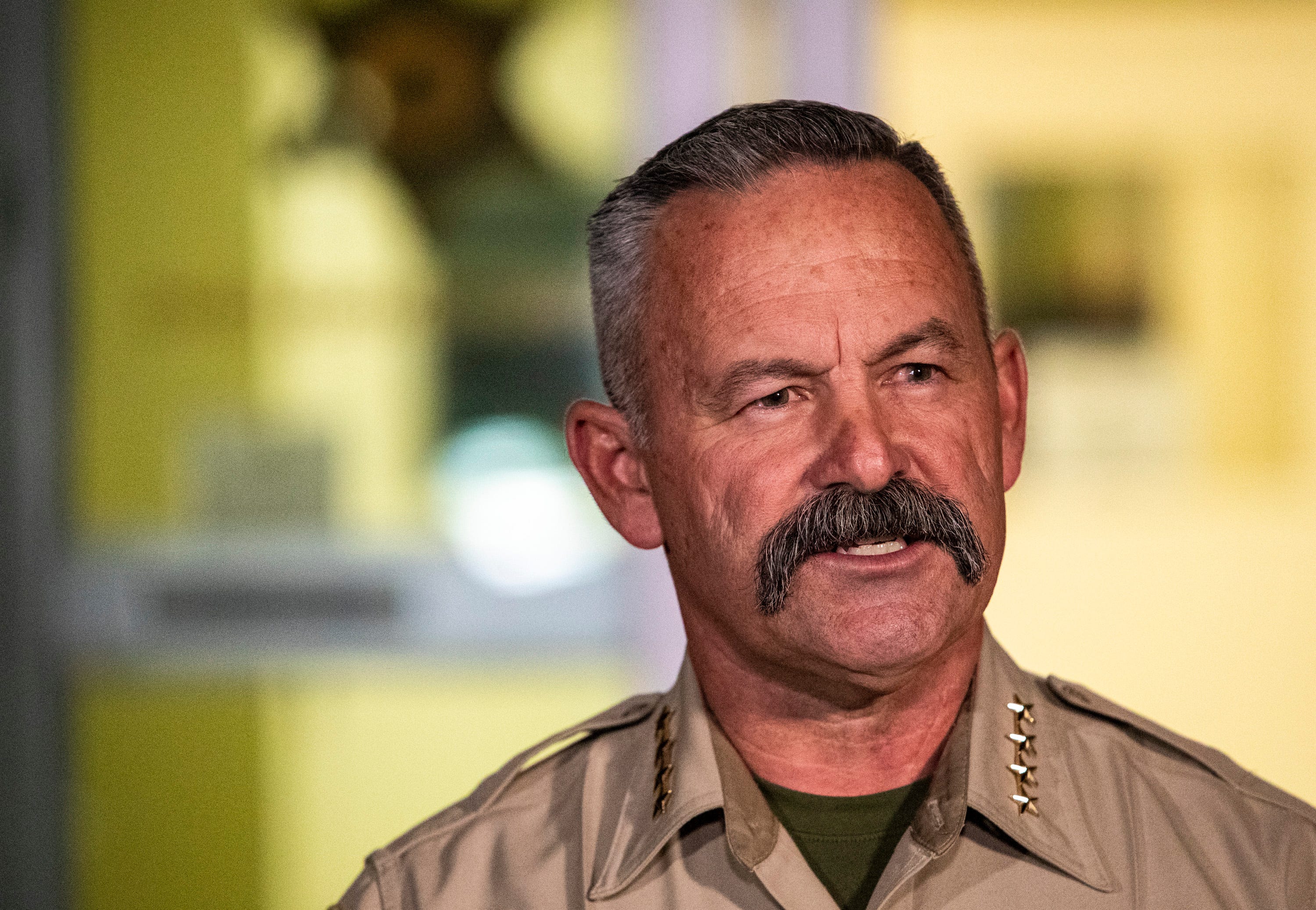
Critics of Sheriff Chad Bianco's leadership have long called for independent autopsies of people who die in county jails, arguing that his control of the coroner presents a conflict of interest when deputies' conduct might have played a role in the deaths.
Bianco, who was first elected sheriff in 2018 and plans to seek reelection in 2028, ran for governor as a Republican earlier this year but failed to advance beyond the June primary.
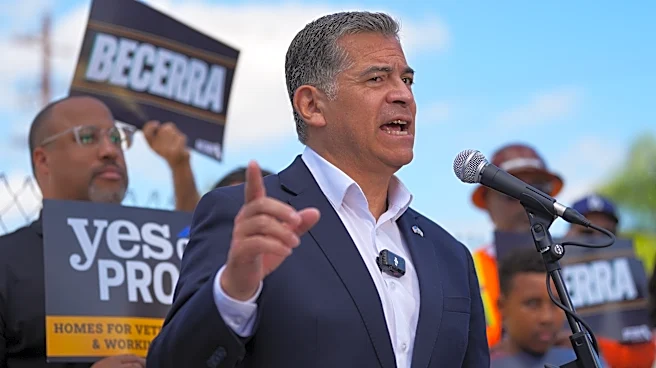
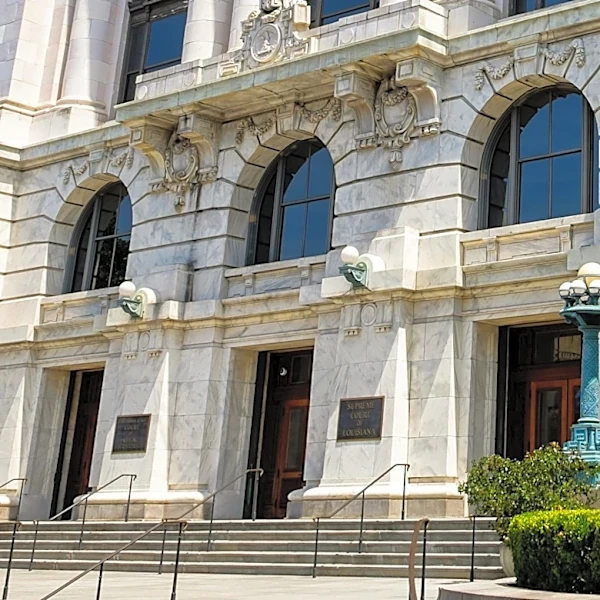
He recently faced another setback when the California Supreme Court ruled that his deputies unlawfully seized about 650,000 ballots from county elections officials while investigating disputed claims of voting irregularities. The court ordered the sheriff's department to return the ballots, which it did Tuesday, Sept. 29, and rejected Bianco's argument that California Attorney General Rob Bonta lacked the authority to direct his investigation.
In 2023, Bonta launched a civil rights investigation of the sheriff's department, citing a sharp and "disturbing" rise in the county's in-custody deaths, as well as allegations of excessive force and other misconduct. That investigation, which Bianco has criticized as politically motivated, is ongoing.

Families of people who have died in Riverside County jails have described repeated delays in getting basic information about what happened to their loved ones. Under the new law, the county must notify the next of kin of the cause of an in-custody jail death within 72 hours after it is determined.
In Riverside County, the coroner's office was placed under the sheriff's office in 1999 after having previously operated as a standalone department. The vast majority of the state's counties combine the sheriff and coroner offices, though 10 — including Los Angeles and San Diego — keep them separate. California is one of three states that does not require the two offices to be independent.

"Only activists and politicians with agendas think it's a good idea to separate the two offices," Bianco said in a statement previously shared with The Desert Sun.
Bianco said the bill would result in county services being "greatly diminished, which is why they were combined in the first place 25 years ago." He also pointed to the cost of creating a standalone coroner's office. A prior county report found the coroner's office has about $6 million in overhead costs that it shares with the sheriff's department.
A separate state law taking effect Jan. 1, 2027, will require sheriff's departments to contract with a standalone coroner's office from another county to investigate any in-custody deaths.
New disclosure of jail deaths and serious incidents
In addition to mandating the initial report within 24 hours, the new law also directs the county to publish a preliminary report within 72 hours of an in-custody death. The county also must maintain a centralized public database that tracks the number of deaths by facility, causes of death, demographics and medical response times.
The county must also publish notices of serious incidents involving people in custody, including suicide attempts, drug overdoses — including those reversed with naloxone — severe withdrawal symptoms, medical distress during restraint and instances in which a medical request is ignored before hospitalization.
Previous reporting from former Desert Sun staffers Tom Coulter and Christopher Damien was used in this story.
Jennifer Cortez covers education and breaking news in the Coachella Valley. Reach her at jennifer.cortez@desertsun.com.
This article originally appeared on Palm Springs Desert Sun: Why autopsies in Riverside County won't be controlled by sheriff