






One of the highest-profile measures on California's November ballot is Proposition 39, which would require voters to show a government-issued ID to vote.
Supporters say the measure would strengthen public confidence in California's elections, while opponents argue it would create new barriers to voting.
Support for the measure hasraised more than $36 million, while opposition has raised more than $27 million, according to the California Secretary of State.
With weeks until the general election, here's what voters should know about Proposition 39.
California does not require ID to vote
California is one of 14 states in the country that do not require voters to present identification to cast a ballot, according to Ballotpedia.
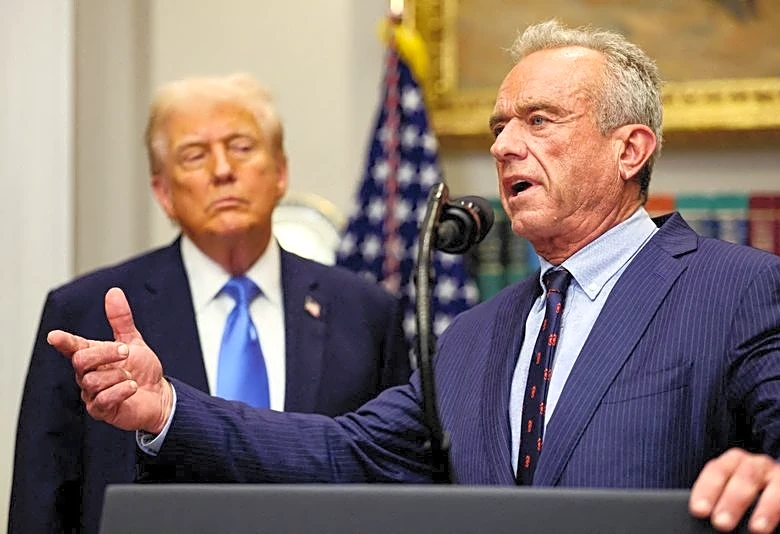
President Donald Trump's administration has tried to change
this with the SAVE Act, which would require voters to show proof of citizenship when registering to vote and a photo ID to vote in federal elections.
Both the Campaign Legal Center and the Brennan Center for Justice said the bill would create new barriers for Americans who are otherwise eligible to vote.
The House has passed the SAVE Act, but the proposed legislation is stalled in the Senate after failing to capture the 60-vote filibuster threshold needed to advance.
What the voter ID initiative would do
According to the state's voter information guide, if passed by voters, Proposition 39 would:
- Require voters casting a ballot by mail to provide a government-issued ID number.
- Invalidate mail ballots should the ID number on the ballot envelope not match the ID number used when registering.
- Require voters casting a ballot in person to show a government-issued ID.
- Require election officials to report each year how many voters' citizenship statuses have been verified in each county.
What LAO's fiscal analysis says
The Legislative Analyst’s Office estimates that Proposition 39 would add tens of millions of dollars to low hundreds of millions of dollars in state and local government costs annually. The exact costs, though, would depend on future decisions made by state and local agencies, as well as voters.
"For example, the costs could vary depending on decisions around the design and requirements of the voter identification card and the number of cards requested," the LAO says.
The measure could save money if fewer people are registered, such as if ineligible voters or eligible voters without government-issued identification are removed.
"These savings likely would not exceed the costs of the measure," the LAO says.
What proponents say about voter ID measure
Reform California,a conservative political advocacy group led by Assemblymember Carl DeMaio, is one of the primary authors and chief backers of Proposition 39.
On its website, the advocacy group describes the voter ID initiative as a "bipartisan solution ... that improves public trust and confidence in our elections — while not imposing burdens on voters and still making sure every valid vote counts."
“In November, by voting to enact the California voter ID initiative, we will strike a blow for democracy,” DeMaio said when the measure qualified for the ballot in April. “We will improve public trust and confidence in our elections.”
Supporters of the measure include the Transparency Foundation; Latino American Political Association; Howard Jarvis Taxpayers Association; California Women’s Leadership Association; and the California Republican Party.
"Prop 39 adds a simple safeguard to California elections: voters verify who they are when they cast a ballot," the California Republican Party says on its website. "The goal is straightforward: protect eligible voters, protect legal votes, and give Californians more confidence in election results."
What opponents say about voter ID measure
Californians for Voting Rights is the political action committee and coalition campaign leading the opposition to Proposition 39.
"Prop 39 makes voting harder, puts voters' personal information at risk, costs taxpayers hundreds of millions, and delays election results," the PAC says on its website.
The group also argues that Trump and the MAGA movement support the initiative.
Groups opposed to the voter ID measure include: ACLU California Action; Common Cause; League of Women Voters of California, and the California Democratic Party.
“This voter ID measure is not about protecting voters; it is about importing the current federal administration’s election lies and intimidation tactics into California,” Jenny Farrell, Executive Director of the League of Women Voters of California, said in a March 2 release. “It would expose voters’ sensitive personal information, create new ways to reject eligible ballots, and wrongly target voters through error-prone citizenship checks.”
What recent polls have found for Proposition 39
Recent polling on Proposition 39 has shown mixed results since September, with some surveys finding majority opposition and others showing a narrow lead for the voter ID measure.
An Independent Voter Project survey released Oct. 5 found likely voters favored the initiative 43% to 40%.
A SurveyUSA poll released Sept. 21 also found support for the measure, with 48% of likely voters backing it and 38% opposed.
Other polls have shown the measure trailing. A Berkeley IGS survey released Sept. 25 found Proposition 39 failing by a 13-point margin, 52% to 39%, while a Public Policy Institute of California poll released Sept. 15 found 55% opposed and 43% in favor.
Proposition 39: Bottom line
What a yes vote means: Voters would be required to show additional identifying information to election officials every time they cast a ballot.
What a no vote means: A voter's signature would continue to be sufficient to establish a voter's identity when casting a ballot.
This article originally appeared on Palm Springs Desert Sun: What to know about California's Proposition 39 ahead of general election