




Three novice climbers found themselves stranded on a perilous California mountain after they say they "relied too much on AI" to plan their climb.
The group of climbers set out to climb Mount Shasta from the Clear Creek Trailhead on Saturday, Aug. 29, the U.S. Forest Service - Shasta-Trinity National Forest said in a Sept. 1 Facebook post.
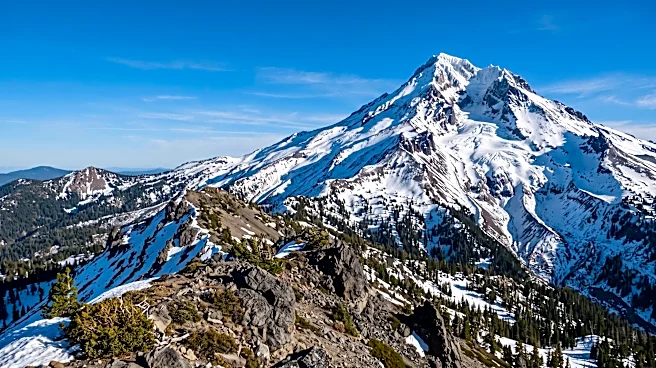
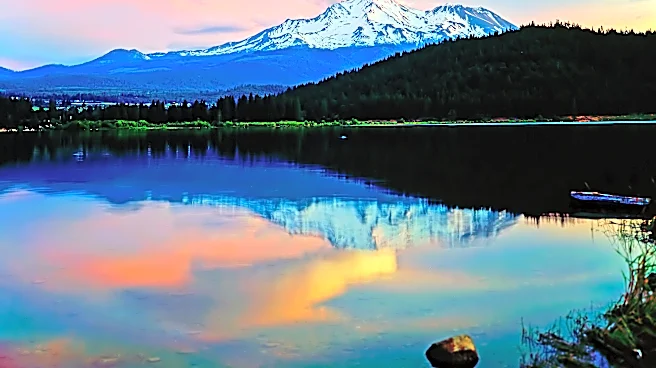
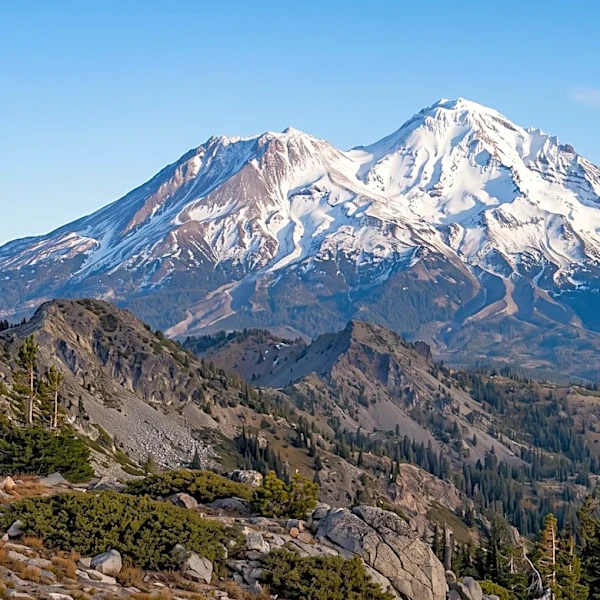
The massive stratovolcano has a summit elevation of 14,179 feet, according to the Mount Shasta Avalanche Center.
They did not reach the head springs of Clear Creek until about 8 p.m., Forest Service officials said. The three Roseville men set up camp there, at about 8,400 feet, even though it was a prohibited site, according to Forest Service and Siskiyou County Sheriff officials.
At about 3 a.m. the next day,
the group started their ascent up the mountain from the base camp equipped with enough food and water for an 8-hour climb.
They progressed slowly, reaching 11,000 feet at about 1 p.m., and considered turning around before deciding to continue, officials said.
About two hours later, as the party rested at Mushroom Rock at 12,800 feet, they spoke with two other climbing groups, officials said. One group advised the party to turn around, while another encouraged them to continue to the summit.
The group told officials they did not feel "great" but decided to press on.
At 7 p.m., 16 hours after they set out on their trek, the group reached the summit of Mount Shasta, "well after the recommended turnaround time of 12:00 pm," deputies said.

Mountain descent after dark
They began their descent after dark near 12,800 feet and called 911 for directions, according to officials.
As the climbers continued their descent, they "ended up well off-route, eventually entering the upper reaches of Mud Creek Canyon," officials said.
One of the climbers had the AllTrails mobile mapping app, which the group used on their ascent. However, his phone battery had died, officials said.
Though the group packed a backup mobile battery charger, it did not work to charge the phone equipped with the AllTrails app.
The group was forced to rely primarily on sight to make their descent, though one of the climbers had a Garmin watch, officials said.
At about 11,500 feet, one of the climbers lost his balance and injured his left knee in a fall, officials said. The climber reported feeling unwell and struggling to maintain his footing. He also was not wearing a headlamp, despite carrying one in his backpack because he was trying to conserve battery life. The climber was instead relying on the light from the headlamps of his climbing partners.

The group continued down the mountain until stopping to spend the night near 11,000 feet in a remote location in Mud Creek Canyon.
The climbers, though, were not prepared to spend the night on the mountain, lacking "adequate food, water, warm layers, or an emergency bivy," according to officials.
'Exhausted, hungry, and thirsty' climbers rescued
At about 9:30 a.m. on Monday, Aug. 31, Forest Service Climbing Rangers reached the climbers, who were "exhausted, hungry, and thirsty."
The rangers checked the climber's knee, found it was stable, rendered first aid and provided the group with food and water.
A California Highway Patrol helicopter crew attempted to hoist the group from the area, but the climbers' location made the rescue impossible.
The Forest Service rangers instead helped the party out of Mud Creek Canyon on foot, as the injured climber could manage walking.
"By 12 p.m., the group reached the rim of the canyon and mellower terrain on the southeast slopes of the mountain," officials said.
Rescuers tried another helicopter hoist at about 12:30 p.m., but strong winds prevented the the rescue attempt.
The group instead continued down the mountain and reached their base camp at the Clear Creek springs around 3 p.m. From there, members of the Siskiyou Search and Rescue arrived to help the climbers back to the Clear Creek trailhead, which they reached at 6:30 p.m.
Reliance on AI: 'A critical misstep'
Among the issues that led to the climbers' rescue was the group's use of an "AI platform, YouTube videos and AllTrails to plan their climb," officials said.
The climbers told a sheriff's deputy that "they had relied heavily on Google’s Gemini AI to provide them with information about the route as well as what to pack for their trip."
"This was a critical misstep, as they were advised by Gemini to bring far less food and water than their group required, especially when their planned 8-hour ascent became a multi-day ordeal," the sheriff's office said.
They also said they took the advice of AI when it recommended packing "simple carbohydrates for their climb, rather than fats because they 'take too long to digest.'"
"In their words, 'We relied too much on AI rather than our own critical thinking,'" officials said.

The climbers told officials they were aware of the www.shastaavalanche.org website, but opted not to use it.
"It is always advisable to call the local USFS Mount Shasta Ranger station ahead of your trip to ensure you have the most accurate information, and to never rely solely on AI for your trip planning," the sheriff's office said.
The rescue, deputies said, is a reminder of the importance of following "the 12:00 pm turnaround rule."
"If you have not reached the summit of Mount Shasta by noon, turn around while you (or a potential rescue party) still have sufficient daylight to hike out," deputies said.
Additionally, climbers should not rely solely on a cellphone or Garmin device for wayfinding.
"It’s important to use reliable information sources for climbs like Mount Shasta, and to have backups to any electronic navigation you might use (paper maps of the route are a good choice)," officials said.
While the Clear Creek Route on Mount Shasta is not considered a technical mountaineering route, it still requires climbers to be physically fit and prepared for unforeseen circumstances, such as injuries, inclement weather or an unplanned overnight stay, deputies said. Serious injuries or deaths can happen when climbers become lost and wander into dangerous terrain.
Additionally, officials said, it is crucial to have enough food and water for a long day or two, given the size of Mount Shasta. You should also "have adequate clothing and supplies in case you have to spend an unexpected night on the mountain."
"Excellent information about the mountain can be found on theMount Shasta Avalanche Center website," officials said.
This article originally appeared on Palm Springs Desert Sun: Climbers stranded on California mountain after relying 'too much on AI'