




Now that it's October, that can only mean one thing for dedicated skywatchers: One of the year's most spectacular meteor showers is putting on a cosmic show.
That's right, the Orionid meteor shower is officially in full swing and is due to remain active into early November – even after its mid-October peak.
Considered one of the most beautiful meteor showers of the year, the Orionids are famed for producing streaking meteors that are as fast as they are bright. The Orionid meteor shower reliably kicks off each fall when Earth passes through the densest part of the debris path of the famous Halley's comet, which also happens to produce the ETA Aquarids in May.
Now that the Orionids are active in 2026, here's everything to know about the famous meteor
shower and how to see it in California.
When is the Orionid meteor shower active in 2026?
In 2026, the Orionid meteor shower first became active Oct. 2 and is due to remain active until Nov. 7, according to the American Meteor Society.
When is the Orionids' peak activity?
The Orionid meteors will peak in activity between Oct. 21-22 as Earth passes through the densest part of the associated comet's cosmic debris.
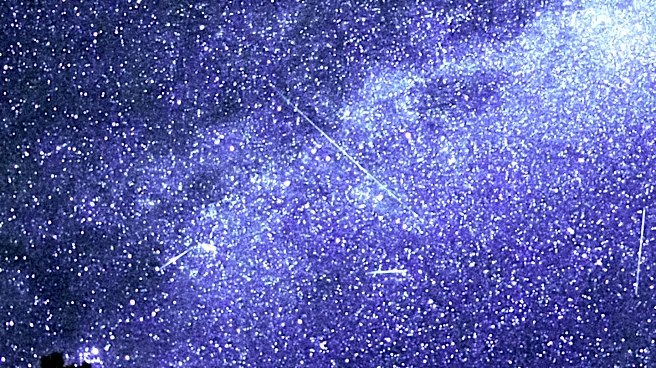
Photos of the Orionid meteor shower
How many meteors will be visible? What to know about fireballs
On average, the Orionids produce anywhere from 10 to 20 meteors per hour at their peak in mid- to late October, whizzing at about 41 miles per second, according to NASA.
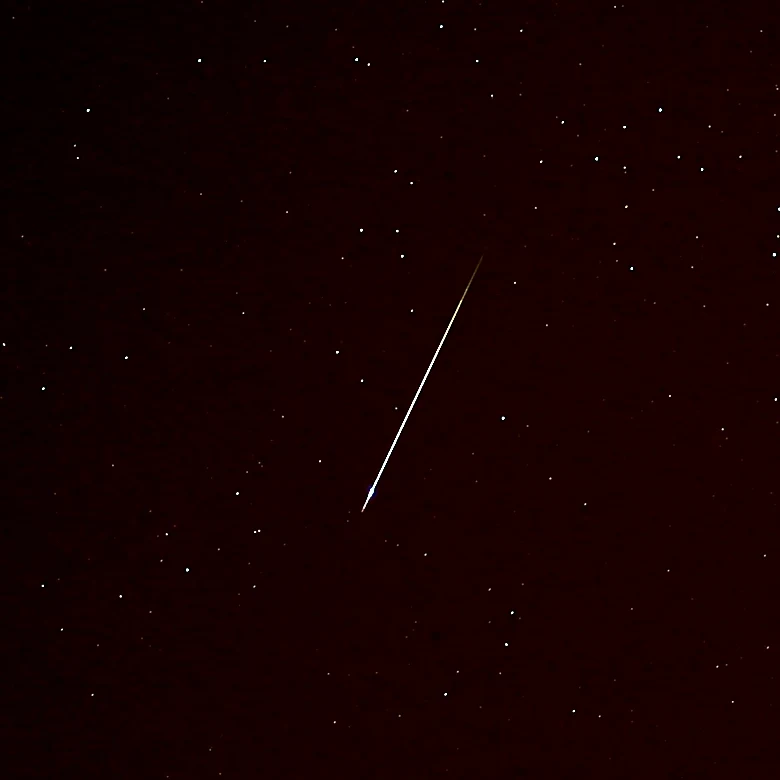
Meteors that travel that fast often leave glowing trails of debris in their wake, which can last for a few seconds or even for several minutes. Oftentimes, Orionid meteors have the potential to become fireballs with prolonged explosions of light.
Where are the best places to see meteor showers in California? Dark sky locations
The Orionid meteor shower is easily visible in the Northern Hemisphere, which includes California and the rest of the United States.
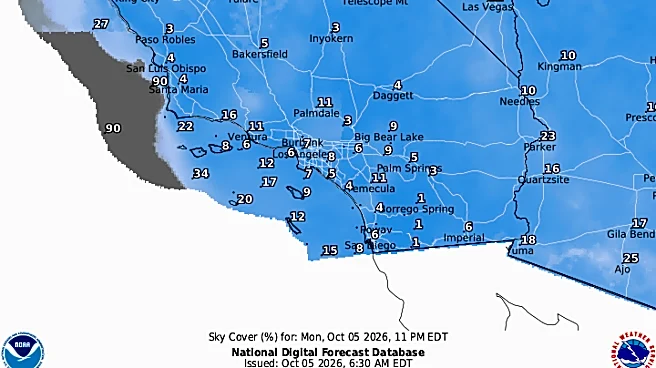
Want to try to catch the meteor shower before it peaks? Spectators will have the best luck at dark sky locations on cloud-free nights and away from city light pollution.
To find a dark area near you, turn to DarkSky International. The U.S. nonprofit maintains a list of designated dark sky communities around the world, including 179 in the United States.
That includes these locations in California:
- Joshua Tree National Park, 74485 National Park Drive Twentynine Palms, the famous park that straddles the boundary of two deserts. While the western half of the park is impacted by light from Palm Springs, the eastern wilderness area has some darkest night skies left in the region.
- Julian, California, a small village near the center of San Diego County known for clear, dark skies;
- Borrego Springs, California, a town Located 88 miles northeast of San Diego that is a favorite spot for star gazers;
- Anza-Borrego Desert State Park, 200 Palm Canyon Drive, Borrego Springs, a state park in southern California where plenty of undeveloped land keeps the area’s night skies relatively dark;
- Death Valley National Park, a famous park distant enough from the large cities of the southwest that the night sky above the desert floor is essentially pristine.
What time are meteor showers visible in California?
In general, the best time to see meteors is between midnight and dawn.
Visit the website Time and Date to find the best times and viewing directions for your location.
When, how to see meteor showers: Viewing tips

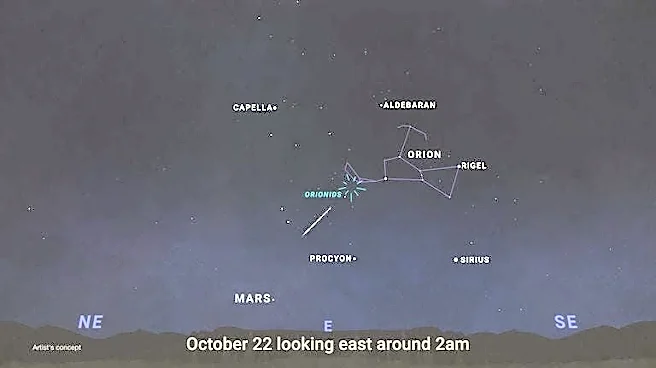
Named after Orion because the meteors seem to emerge – or radiate – from the same area in the sky as the constellation, the Orionids are also framed by some of the brightest stars in the night sky.
Despite the meteor shower's namesake, astronomers advise spectators to avoid looking toward the constellation Orion if they want to get the best views. The meteors are visible anywhere in the night sky, particularly ‒ if you want to get technical ‒ 45 to 90 degrees away from the radiant, according to NASA.
In fact, meteors farther away from the radian will appear longer, according to the nonprofit Planetary Society.
Here are some general viewing tips that NASA often provides before a meteor shower becomes active.
- Find an area far away from street lights and the light pollution of cities.
- Depending on the time of year, come prepared with a sleeping bag, blanket or lawn chair to sit in.
- If you're in the Northern Hemisphere, which includes the contiguous United States, have your feet face southeast and look up, taking in as much of the sky as possible.
- Within 30 minutes, your eyes should adapt so that you can see streaking meteors. But be patient, NASA warns: Most activity is visible until dawn.
What are meteor showers? Here's what causes 'shooting stars'
Named after star constellations, meteor showers occur when Earth passes through dusty debris trails left behind by comets and other space objects as they orbit the sun.
The debris – space rocks known as meteoroids – collides with Earth's atmosphere at high speed and disintegrates, creating fiery and colorful streaks in the sky, according to NASA. Those streaks, colloquially known as "shooting stars," are meteors no larger than the size of a pea that burn up in the atmosphere, NASA explains.
Meteor showers occur on a predictable schedule each year, with some lasting for mere days and others stretching on for weeks. But a meteor shower is at its best when the Earth passes through the densest part of the associated cosmic debris, otherwise known as the shower's peak activity.
What causes the Orionid meteor shower every year?
The Orionids parent comet is the most famous one of them all: Halley’s Comet.
Halley, which takes about 76 years for each orbit of the sun, won't be seen again by casual observers until 2061 after it was last sighted in 1986.
But despite its rare appearance to us here on Earth, Halley's impact is still felt at least twice a year when we enter its debris path. Each time Halley returns to the inner solar system, its nucleus sheds ice and rocky dust into space that eventually becomes not only the Orionids every October, but the Eta Aquarids in May.
Eric Lagatta is the Space Connect reporter for the USA TODAY Network. Reach him at elagatta@usatodayco.com
This article originally appeared on Palm Springs Desert Sun: October meteor shower now active. How to see the Orionids in California