






Over the last few weeks, I've been asking my AI buddy Chet (short for Chat) all kinds of questions about the collectibles market. Some answers I agree with and others not so much. However, the digital answer man and I seem to be in sync with regard to what collectible categories have died or are now on life support.
The upshot: If you're counting on the sale of your collection to augment your retirement, don't hold your breath. While some collectibles have zoomed in value over the years, many others are worth less now than when you bought them. Below are some unhappy examples.
To start with, the collectibles market of today is entirely different than that of the 1990s. Limited editions were the rage during that era, and almost anything that could
be signed and numbered was a hot commodity. In particular, lithographs from famous and not-so-famous artists were marketed on the basis of their appreciation potential, but that market has simply collapsed. Many were released as "limited editions," but runs of tens of thousands of copies could hardly be called limited. With very few exceptions, that market has devolved into a generic category of decorative wall art with very little residual value.

The same could be said for many types of sculpture and statuary. Hummel, Limoges, Lladro, Precious Moments, Royal Doulton and others like them are still out there, but the market has compressed to a fraction of what it once was. To be sure, there are a handful of pieces from each of the above makers that still resonate with the collectors that are left, but not very many. The fact is that the marketing strategy of "manufactured rarity" has gone away and is unlikely to return any time soon.
The same goes for collector plates and even fine china and porcelain. Firms such as the Franklin Mint and Bradford Exchange did land office business during the collectibles heyday, but their designs quickly became dated and their products were of little use.

Among the few lamentable categories in low demand these days is that of porcelain tableware. A quarter-century ago, beautiful matching place settings from England or Japan were in the cupboards and pantries of countless American homes. Today in this era of informal entertaining and casual dining, nobody uses that stuff anymore and it often sells for peanuts.
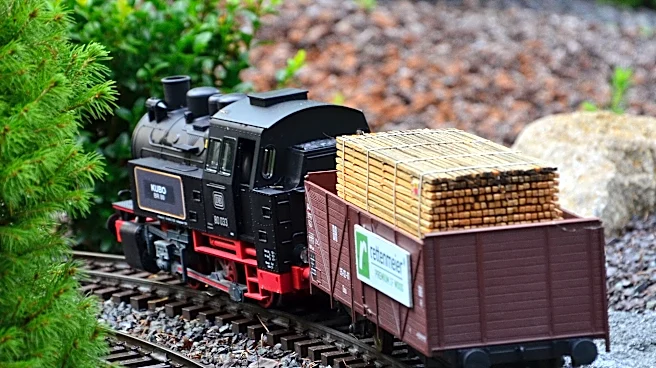
There are lots of candidates from which to choose the last of the "bottom five," but a few obvious choices would be plush toys (e.g., Beanie Babies), model trains, action figures, and stamps. Vinyl records have had a modest comeback of late, but the market is a fraction of what it was. In categories like comic books, dolls, and Disney collectibles, demand is driven by age, condition, and rarity; thus, there is little collector interest in recent releases.
In short, the lesson is the same as it has always been. The market is fickle, so buy what you like and will enjoy. Don't count on appreciation.
Mike Rivkin is the former proprietor of Antique Galleries of Palm Springs. His new venture will open later this fall. Contact him at scmcorp@sbcglobal.net.
This article originally appeared on Palm Springs Desert Sun: Collectibles are not investments. Don't think they are