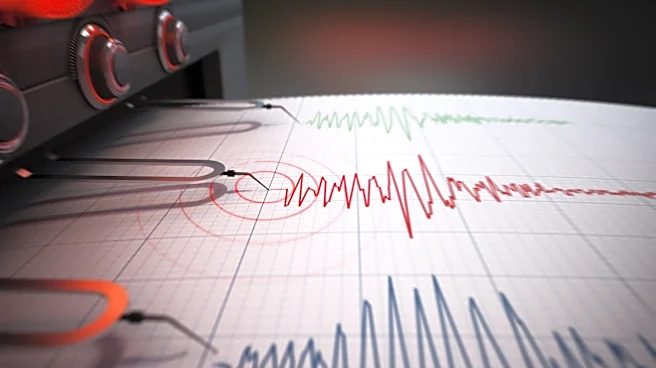

An earthquake with a preliminary 3.2 magnitude shook parts of southern California early Wednesday, Sept. 2.
The United States Geological Survey reported that the earthquake struck nearly four miles southeast
of Ontario at 5:37 a.m. People in other parts of the Inland Empire and Riverside County may have also felt the shaking. This includes those in the cities of Rancho Cucamonga, Upland, Chino, Eastvale and Corona.
Reports from the public using the USGS' "Did You Feel It?" tool did not show anyone in the Coachella Valley report feeling it.
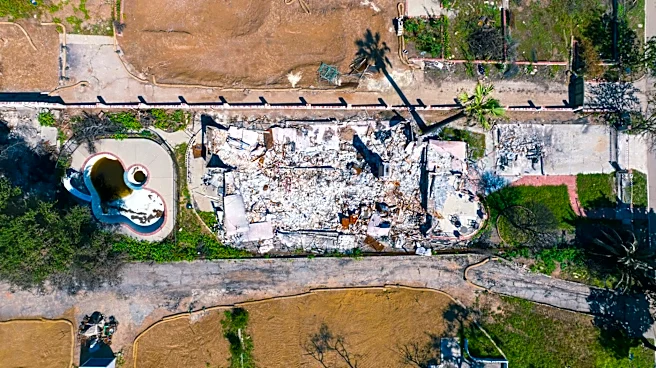
Ontario earthquake damage
There did not appear to be any immediate reports of damage.
What are earthquakes?
The surface of Earth is made of up large tectonic plates that slowly move past each other, which builds up stress. An earthquake is when the ground shakes due to energy radiating from an abrupt slip on a fault, according to the USGS. Tectonic plates are always in motion, but friction can get their edges stuck. Earthquakes then happen when stress on those edges overcomes the friction.
There are two plates in California — the Pacific Plate and the North American Plate. The main boundary between them is called the San Andreas Fault, which is notorious for frequent earthquakes, though most are small.
What are earthquake foreshocks, aftershocks and mainshocks?
Some earthquakes have foreshocks, which describe the smaller earthquakes before the largest in a sequence. The largest is called a mainshock.
Aftershocks — which can happen weeks, months or even years after the mainshock — are smaller earthquakes that happen after the largest earthquake in a sequence. Larger mainshocks usually cause larger, more frequent aftershocks that can occur over longer periods of time.
How can you prepare for an earthquake?
The Earthquake Country Alliance a seven-step guide for earthquake safety. The first four focus on preparation and are as follows:
- Secure spaces.
- This means look for possible hazards and then secure anything that can move during an earthquake.
- Make an emergency plan.
- A plan ensures loved ones and/or whoever you live with know what to do during an earthquake. It should include how to evacuate and reunite, emergency contacts, and where you keep emergency supplies and important documents. The ECA's website also recommends you occasionally have drills to practice your plan and that you share it with anyone who cares for your kids, pets or residence.
- Gather emergency supplies and make sure they're accessible.
- Put together supplies you'll need in case of an emergency and store them somewhere easy to get to where you live, work and if applicable, your car. Some examples of things you should have ready for emergencies include cash, bottled water, copies of personal identification and a whistle to alert possible rescuers.
- The ECA has a list of emergency items and an Organize Emergency Supplies checklist on its website at https://www.earthquakecountry.org/step3.
- Minimize financial harship.
- The ECA recommends you organize important documents like an emergency contacts list, copies of identification and insurance cards, and photos of household items that'll help if you need to file an insurance claim. Then place that paperwork in a sealed plastic bag that you store in an easy to grab "go bag."
- The agency also says to consider insurance coverage and to make sure your building has the structural integrity to withstand earthquakes if you can.
What should you do during an earthquake?
Most people in California have the steps of what to do during an earthquake already drilled into them — drop, cover and hold on. But here's a more in-depth look into those steps from the ECA.
- Drop.
- Get onto your hands and knees wherever you are standing. This will keep you from getting knocked over by shaking and reduces the risk of something hitting you.
- If you're using a wheelchair or walker, lock its wheels. Earthquake safety accessibility tips are available atwww.earthquakecountry.org/accessibility.
- Cover.
- Cover your head and neck with one arm and hand. Crawl under a sturdy table or desk for shelter if there's one close by. Crawl to an interior wall if there isn't. Remain on your knees and bent over so you can keep vital organs safe.
- If you're using a wheelchair or walker and can't crawl to shelter, you can cover yourself with your arms, a book or a pillow.
- Hold on.
- Hold onto shelter with one hand and be prepared to move with it if necessary.
- If you don't have a shelter, the ECA recommends you hold your head and neck with both arms and hands.
What should you do after an earthquake?
The ECA's final two steps are to improve safety, and to reconnect and restore.
- Improve safety
- The ECA says to check for injuries and damage that need attention right away. Look around for potential new hazards like leaking gas lines, which you may need to report to city or county government. Use first aid knowledge to help injured people.
- Take care of yourself first and follow your emergency plan. Get to a safe location when possible since aftershocks can cause more damage.
- Reconnect and restore
- The ECA describes this final step as "reconnect and restore daily life by reuniting with others, repairing damage, and rebuilding community."
- This step comes when the immediate earthquake threat is over.
This article originally appeared on Palm Springs Desert Sun: Did you feel it? Small earthquake centered near Ontario rattles SoCal