





A Trump administration decision to halt funding for more than 130 National Park Service partnership projectsnationwide raises concerns about what it could mean for some of California's most iconic public lands, including Joshua Tree National Park, Death Valley National Park, and Mojave National Preserve.
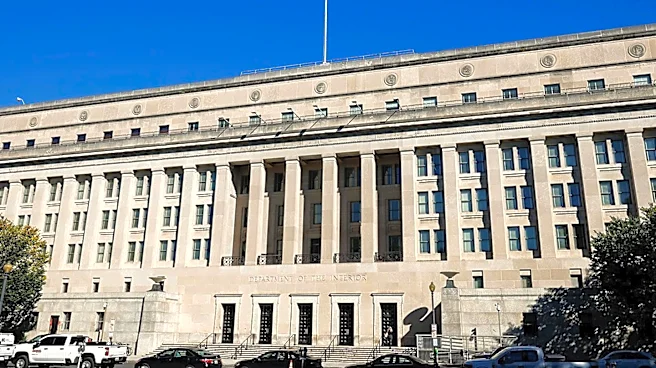
In August, the Department of the Interior paused $25.9 million in previously approved partnership agreements, saying the projects did not align with administration priorities. Conservation groups and park advocates argue many of the affected projects involve routine park management work, including wildfire recovery, invasive species removal, habitat restoration and endangered species monitoring.
“The disapproval of these cooperative agreements
is a huge loss for a lot of our national parks,” said Chance Wilcox, an associate director at the National Parks Conservation Association. “The Department of the Interior saying that it's due to a misalignment of values is absurd to me and really concerning.”
The funding freeze comes as California's national parks and preserves continue grappling with staffing shortages, growing maintenance backlogs, and increasing threats from wildfires, drought, and invasive species.
Which California national park projects are affected?
Several California-based projects are among those left in limbo by the funding pause.
According to conservation groups tracking the affected grants, stalled projects include:
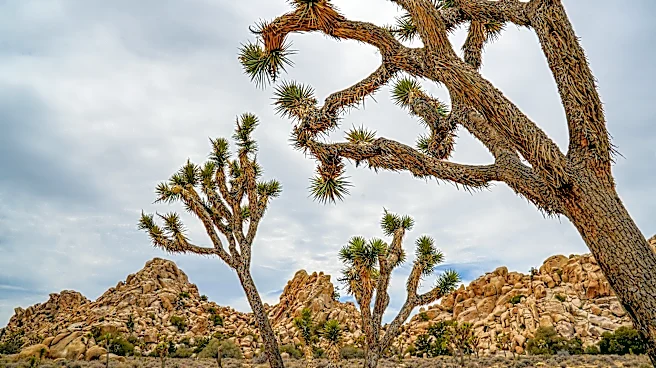
- Native seed collection and planting to restore wildfire burn scars in Joshua Tree National Park.
- Surveys, monitoring and protection efforts for threatened desert tortoises in Mojave National Preserve.
- Environmental and procedural work tied to infrastructure construction and repairs in Death Valley National Park.
Many of these projects were scheduled to begin Oct. 1 after Congress provided funding but were later marked "disapproved" by the Interior Department.
Park advocates say the projects may not sound high-profile, but they are critical to maintaining long-term ecosystem health and reducing future restoration costs.
Why California's Joshua Tree, Death Valley and Mojave projects matter
The affected California projects focus largely on behind-the-scenes conservation work that visitors rarely see, but experts say is essential to protecting fragile desert ecosystems.
In Joshua Tree, restoration crews were expected to collect and plant native seeds in wildfire-damaged areas. In Mojave National Preserve, biologists planned to monitor and protect desert tortoise populations, a species already facing pressure from habitat loss, development, and climate-related stresses.
At Death Valley, delayed environmental reviews and planning work could slow infrastructure improvements and future repairs at one of California's most heavily visited national parks.
Conservation groups warn that missing key field seasons or favorable weather windows can push projects back by an entire year.
National Park Service funding cuts come amid broader concerns
The latest funding pause adds to broader challenges facing the National Park Service.
Advocates say the agency has cut its workforce significantly over the past two years while facing growing maintenance needs across hundreds of park sites. Earlier this year, more than 1,400 previously approved park projects nationwide reportedly were downgraded to "low priority" status, affecting work ranging from facility repairs to fire-prevention efforts.
Environmental organizations worry the cumulative effect of delayed projects, staffing shortages and funding uncertainty could leave parks less prepared for future wildfires, invasive species outbreaks and other environmental threats.
While visitors may not notice changes right away, experts say deferred conservation work can create bigger, more expensive problems down the road.
What the Interior Department says about the project freeze
In a statement, the Interior Department said it is reviewing spending to ensure taxpayer dollars make life more affordable for Americans and expand access to public lands.
The agency has not publicly explained why it disapproved individual projects or whether it could eventually restore funding.
That uncertainty has left nonprofit partners, conservation organizations and park managers waiting for answers as California's parks enter another year of environmental pressures and ongoing maintenance needs.
Could California national parks see long-term impacts?
Conservation advocates say the biggest risk may be losing preventive work that helps parks avoid more serious damage later.
Projects involving habitat restoration, endangered species protection, invasive species control and post-wildfire recovery are often less visible than visitor facilities, but they play a major role in maintaining ecosystem health.
For California, where many national park units face increasing wildfire risk and climate-related challenges, delays in that work could have effects that linger long after the current funding dispute is resolved.
Matthew Nelson of the Arizona Trail Association said missed field seasons can push projects back an entire year, while National Parks Conservation Association officials warned the effects of deferred work may not become apparent until after future wildfires or other environmental events.
This article originally appeared on Palm Springs Desert Sun: National Park funding freeze stalls projects in Joshua Tree, Mojave