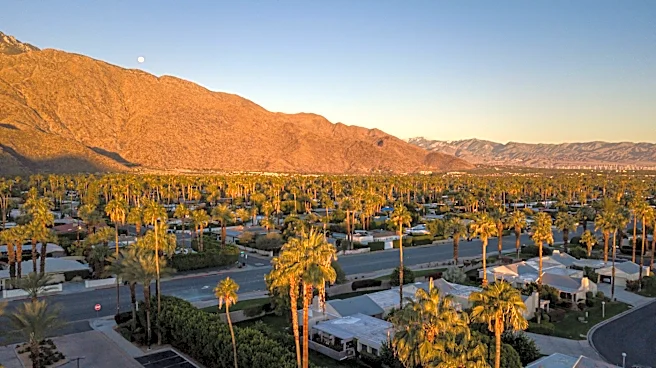




An expected high near 110 degrees hardly made it feel like the end of summer break. But in much of the Coachella Valley, school was back in session on Wednesday, Aug. 19.
Palm Springs Unified is already two weeks into the 2026-27 school year, and now roughly 40,000 students at Coachella Valley Unified and Desert Sands Unified began theirs.
Before they did, The Desert Sun visited two campuses getting ready for the first day: Ronald Reagan Elementary in Palm Desert and Oasis Elementary in Thermal, about 30 miles apart and led by principals who, coincidentally, have each dedicated 34 years of their careers in education.
At both schools, teachers had been working in their classrooms for days. Some came in well before they were officially due back,
with a few even clamoring for their classroom keys while their principal was still on vacation.
Make school somewhere children want to be
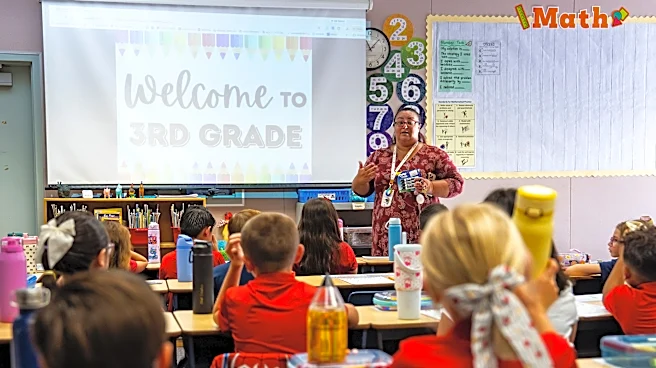
Two days before students returned to Reagan Elementary, Cristine Bucklar was planning how she would introduce to her kindergarteners to the routines of the school day: where backpacks and water bottles are stored to where they line up for recess.
“I feel like we spend more time in our classroom than we do at home, so it has to feel like home, especially for the little ones,” Bucklar said.
Songs and games will help them learn their new daily routines, which Bucklar plans to practice until they became second nature. Once her students know what to expect, “the classroom can run itself.”
A few doors away, Steven Pietrangelo, who also teaches kindergarten, said he intentionally left some of his walls undecorated to keep his students from feeling overwhelmed by too much color and visual stimulation. As the year progresses, he’ll fill those spaces with their writing samples and work, so “they’re included in the design of the classroom,” he said.
On each second grader’s desk, Karen DeNovi placed a word search made up of the names of their classmates — an activity designed to help students learn one another’s names from the start. She was also working towards making each student a small duck with the message, “I’m a lucky duck to have you in my classroom.”
“I just want every student that comes in my room to feel like they’re seen and that they can become who they’re going to be,” DeNovi said.

Let children do more of the thinking
As technology becomes increasingly embedded in students’ daily lives, Mark Baldwin, who has led Reagan Elementary for 17 of its 20 years, said he wants students to develop a healthy “screen-life balance.”
“We want kids to be able to be kids for as long as possible,” he said. “I want them to learn and grow as people ... to be thoughtful, engaged humans.”
Students learn best, Baldwin added, when they wrestle with ideas and work through problems before teachers step in to help. The district’s new elementary math curriculum will put that philosophy into practice this school year, giving students space to try, reevaluate and explain their way through a problem before the teacher steps in.
Principal Encarnación Becerra has a similar focus at Oasis Elementary: helping students develop the skills to think and act for themselves. For younger students, that starts with learning to read by third grade, when reading difficulties can become more difficult to overcome.
After piloting two reading intervention programs, the K-6 school saw its first improvement in English language arts scores in five years. Those gains, Becerra said, are helping build a stronger foundation for what comes next, from the choices students make for themselves to the role they'll play in their communities.
“So much is changing in our world very quickly, whether it’s climate change, AI, economics around the globe or farming. Students need to have a critical mind so they can make the best possible decision for themselves,” he said. “And that starts here at the elementary level.”
Help children imagine what comes next
Becerra likes to ask his students a question that can be difficult to answer at any age: Who do you want to become?
Two third graders once told him they wanted to be doctors. From then on, Becerra addressed them as doctors, treating their ambitions as futures worth taking seriously.
“I want to instill that idea, that title, in their minds now,” he said.
Becerra knows what it's like being a student at Oasis because he once was one himself. He returned to his alma mater in 1993 to begin his teaching career and came back earlier this year as its principal.
When students land a visit to his office, he reminds them they have a community behind them: family, friends and teachers who want to see them succeed. Reaching those goals, though, is something they have to work for themselves.
Sometimes, Becerra will point to the milestones on his walls: his promotion certificate from Oasis, his diploma from Coachella Valley High and the bachelor’s and master’s degrees he later earned. Together, he and his students trace the steps that brought him from elementary school to where he is today.
“So that was my beginning,” he tells them, “and this is your beginning as well.”

This article originally appeared on Palm Springs Desert Sun: How CVUSD, DSUSD schools got ready to welcome back 40,000 students