





In all the buzz about this dry, hurricane-free summer, something has been missing in the Wilmington area.
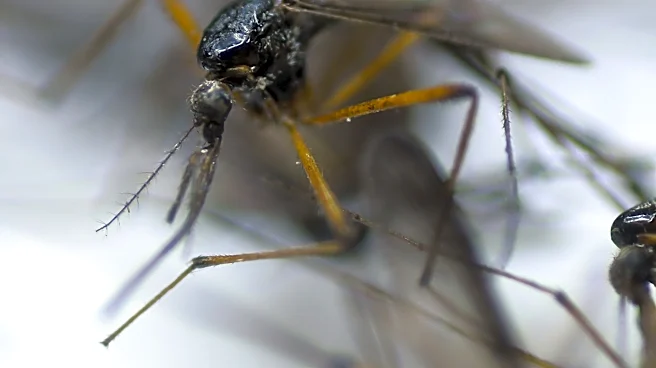
For most people, that's probably been a good thing. Mosquitoes aren't usually a welcome guest in backyards, on walks or at outdoor activities.
That, however, could be about to change.
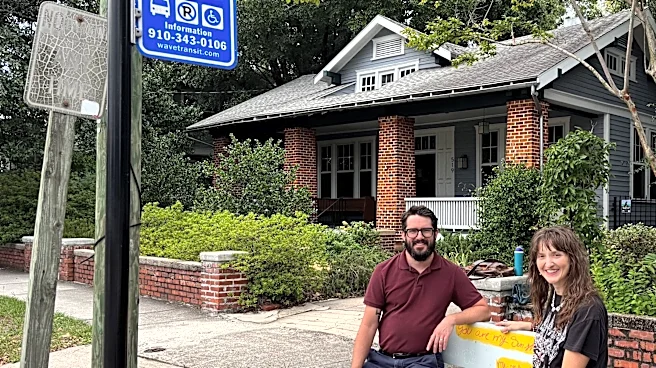
"With all this rain we've been seeing, we might have an uptick starting this week," Jeff Suggs, an environmental health supervisor with New Hanover County Health and Human Services and manager of the county's mosquito controlefforts, said on Monday, Aug. 25. "Yes, it's been unusually quiet so far, but we don't think that's going to last."
In Brunswick County, it has been a similar story. Abram Young, the county'svector control supervisor, said his department averages
about 900 requests for service a year. So far in 2026, that number stands at 170.
"We're expecting to see thing get busier," he said.

First, no rain. Then lots of it.
The swarming bloodsuckers that often can make venturing outside along the Cape Fear River or near Greenfield Lake a somewhat miserable experience during the Port City's hot and humid summer have largely been absent so far this year.
That's because of the drought that has gripped much of North Carolina, including the Wilmington area, for most of 2026.
But that changed in a big way in August.
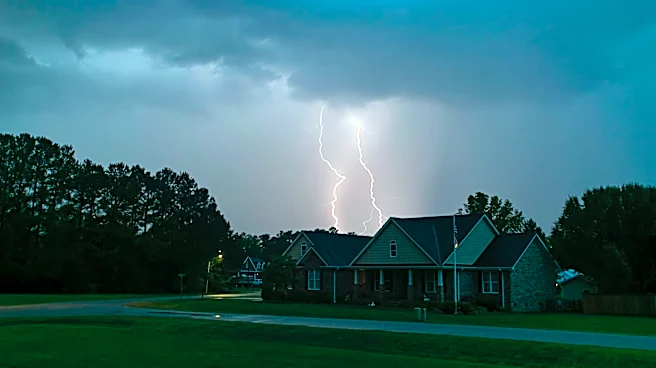
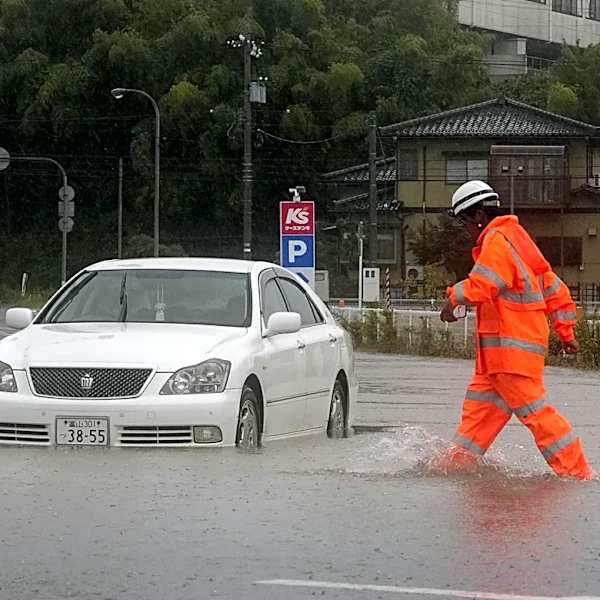
After seeing only 1.2 inches of rain in Wilmington in June, that jumped to 6.7 inches in July. But that was just a table setter for August, where the National Weather Service said the Port City had been drenched by nearly 14 inches through Aug. 25.
Why water matters to mosquitoes
This year, the limited mosquito problems the county has seen so far have largely been from saltwater mosquitoes, whose nests rely on high tides to be activated, Suggs said.
That means while residents living near the region's rivers, tidal creeks and Eagles Island, might have been feeling the bite, the rest of the Wilmington area has largely been mosquito-free.
Suggs said freshwater mosquitoes lay their eggs on the banks at the edge of the water line, waiting for the next flooding event.
But with so little rain and everything so dry, much of the precipitation that Wilmington has seen in recent weeks has simply flowed into the ground quickly, soaked up by the parched ground.
"That doesn't allow the mosquitoes to start and complete their life cycles, so they can't become adults," Suggs said.
The few outbreaks of freshwater mosquitoes the area has seen has been centered on water that gets captured in containers or abandoned tires.
"That's why we tell people to be vigilant and pour out any standing water so they're not causing their own problems," Suggs said.
That message was echoed by Brunswick's Young, who said it just takes a little water captured by a container or caught in a drain pipe to become a mosquito nursery.
"Even in a drought, you still have those," he said.
Egg-to-mosquito in 5-7 days
The Cape Fear region is home to more than 40 species of mosquitoes, several of which are non-native but have been able to adapt to the region's climate. That increase in species, their range and potentially numbers is expected to continue as climate change makes the weather warmer and more humid for a longer period of time.
From a human health perspective, the viruses the mosquitoes can carry more than the biting and general annoyance they can bring that worries public health officials. Those health risks include the Zika virus, dengue fever, Chikungunya virus, Eastern Equine Encephalitis and West Nile virus.
So far reported cases of infections have been few and far between in North Carolina, although officials expect numbers to start creeping up as more and more mosquitoes start seeking prey.
In North Carolina, mosquito control is a local responsibility, with many towns and counties running their own programs. The state, however, can step in after a disaster situation to fund mosquito spraying, such as after a hurricane strike.
Suggs said New Hanover has been ramping up its surveillance efforts as the rains have returned. That includes pre-treating known mosquito hot spots and stepping up spraying efforts, working south-to-north in the county.
Brunswick County also is expecting things to get busier as the recent rains turn eggs into mosquitoes, a process that can take as little as five days.
With officials stepping up their surveillance and spraying programs, residents also can take some steps to reduce their vulnerability to the biting insects. That includes avoiding activities as dusk and dawn when mosquitoes are most active, having bug spray handy, and wearing loose-fitting, long clothing if heading to a known mosquito hot spot.
But the best pro-active measure remains a simple step.
"Anything that can hold a tablespoon of water for 7-10 days can breed mosquitoes, so tip and toss is what we preach," Suggs said.
Reporter Gareth McGrath can be reached at GMcGrath@usatodayco.com or @GarethMcGrathSN on X/Twitter. This story was produced with financial support from Journalism Funding Partners. The USA TODAY Network maintains full editorial control of the work.
This article originally appeared on Wilmington StarNews: Heavy rain could unleash Wilmington's missing summer pest