







An environmental group says Chemours is violating its agreements to substantially reduce discharges of "forever chemicals" from its Fayetteville Works plant roughly 70 miles upstream of Wilmington.
Cape Fear River Watch and the Southern Environmental Law Center
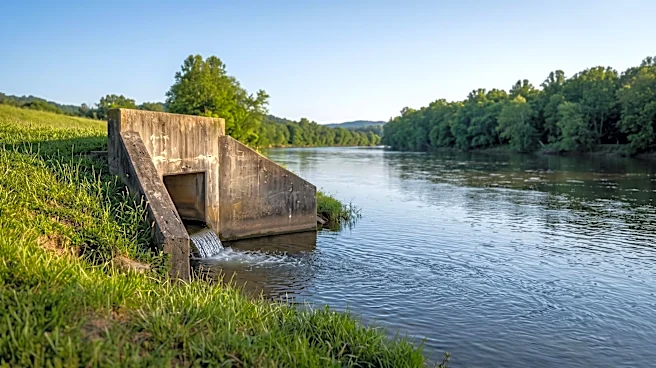
in late September 2026 notified Chemours and the state that the company is violating its 2019 consent order and subsequent addendum regarding discharges into the environment.Specifically, the groups allege that the company has failed to reduce its discharges of per-and poly-fluoroalkyl substances (PFAS) into a creek and an outfall that eventually flow into the Cape Fear River. The notice also states that PFAS air emissions are violating pollution control requirements. The chemicals are manmade
substances used in a range of products from medical devices to nonstick cookware that don't break down quickly − hence their name forever chemicals − and have been tied to a host of health problems, including several types of cancer, immune suppression issues and organ disruptions.
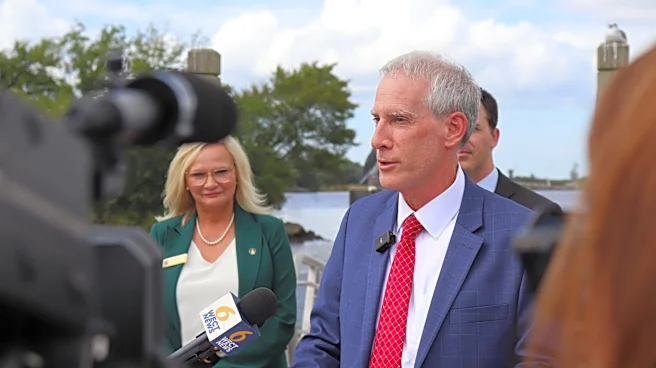
Kemp Burdette, the Cape Fear Riverkeeper and executive director of River Watch, said if the state doesn't make Chemours stop the illegal discharges, they will go to court to get the company to stop.
"We filed this notice because we wanted to make real sure everyone understood that no, they had not met the requirements of the consent order," he said.
Chemours spokesperson Cassie Olszewski said the company disputes the allegations.
"Chemours has taken significant actions in implementing the consent order, including installing advanced emissions controls and abatement technologies, water treatment and remediation systems, monitoring programs, and replacement drinking water supplies," she said in an email. "Because this matter may become the subject of legal proceedings, we are unable to comment on specific allegations at this time."
The StarNews first broke the story in 2017 of the chemical discharges into the Cape Fear, which serves as the primary drinking water supply for nearly 500,000 people in Southeastern N.C., that couldn't be filtered out by local utilities before the water reached homes and businesses. Since then, testing also has found extensive PFAS contamination in groundwater and the environment across the Cape Fear region.

'A huge victory for North Carolina'
The allegations of emission violations comes roughly two weeks after state officials announced a nearly $600 million settlement with Chemours and DuPont over contamination tied to the production of the manmade chemicals like GenX at Fayetteville Works.
“Chemours and DuPont devastated North Carolina’s water and natural resources for decades,” said N.C. Attorney General Jeff Jackson. “This deal forces them to pay for the harm they caused the people of Southeastern North Carolina and gives our local governments more resources to help ensure clean drinking water for families."
The deal between the state, 11 local governments and the two companies − DuPont operated Fayetteville Works for decades before spinning it off to Chemours − is the largest environmental settlement in North Carolina history. It also marked a significant victory for state regulators who have been criticized in the past for not doing more to hold the companies accountable for the massive environmental mess they created after knowingly discharging the manmade chemicals into the state's water, air and groundwater for decades.
The discovery of these unknown substances in water supplies prompted many public utilities, including the Cape Fear Public Utility Authority that serves most of New Hanover County, to install large and expensive filtration systems to deal with the contamination, with ratepayers picking up the tab.
The agreement should help cover some of those outstanding costs.
“This settlement is a huge victory for North Carolina,” said Reid Wilson, head of the N.C. Department of Environmental Quality. “These companies are finally paying for the damage they caused to North Carolina’s land and waters."
In a release, Chemours said the settlement is another step forward as the company moves to address its potential liabilities related to PFAS contamination.
"The agreement provides greater clarity regarding the liabilities associated with these matters, acknowledges the significant progress already made at Fayetteville Works, and supports the company's continued operation of this important manufacturing facility," the release stated.
'A long way from fixing the issues'
While noting the agreement between North Carolina and Chemours is an important step, environmentalists and community advocates say there's still plenty of work that needs to be done to mitigate all of the contamination from the decades of PFAS discharges and make sure the company is fulfilling its obligations.
That includes those agreed to under the consent orders, which state regulators will review with Chemours to make sure they are meeting the requirements − including those which River Watch and the Southern Environmental Law Center don't believe they are currently satisfying.
“The coming months will show whether (North Carolina) is willing to fully enforce the consent order against Chemours,” said Jean Zhuang, the law center's senior attorney, in a release.
The move to pressure regulators to investigate the alleged discharges also comes as Chemours pushes to expand PFAS production at Fayetteville Works, something many groups are concerned about the state approving while so many issues surrounding the company's previous contamination woes still linger.
"We are a long way from fixing the issues at Chemours," Burdette said.
Reporter Gareth McGrath can be reached at GMcGrath@usatodayco.com or @GarethMcGrathSN on X/Twitter. This story was produced with financial support from Journalism Funding Partners. The USA TODAY Network maintains full editorial control of the work.
This article originally appeared on Wilmington StarNews: Environmentalists say Chemours not doing enough to reduce PFAS discharges