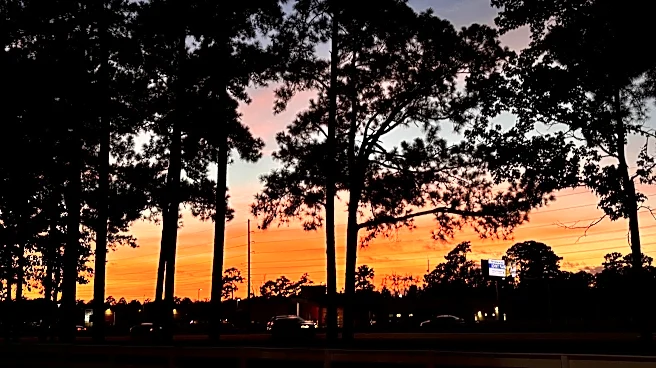


Winter sunrises in North Carolina could arrive as late as 8:39 a.m. in Asheville under permanent daylight saving time, compared with 8:16 a.m. in Wilmington.
The difference is one practical effect of the Sunshine Protection Act, a Trump-endorsed federal proposal that would eliminate the twice-yearly time change. The proposal has passed the U.S. House but still requires Senate approval before it could become law.
North Carolina has no daylight saving time legislation of its own and would follow the federal precedent. Unless federal law changes, residents should plan to turn their clocks back Nov. 1.
How would permanent daylight saving time work?
Daylight saving time in 2026 runs from March 8 to Nov. 1. Under the current schedule,
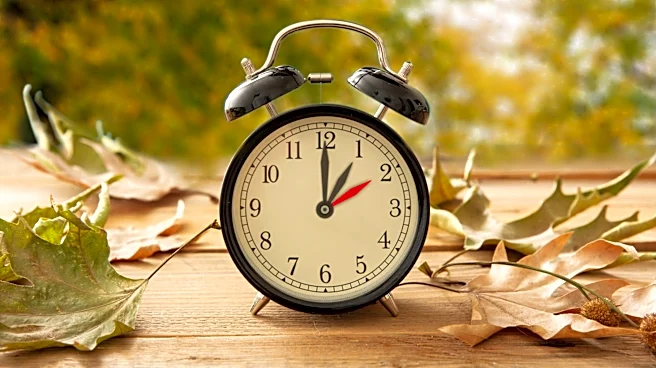
clocks move back from 2 a.m. to 1 a.m. on Nov. 1.
The Sunshine Protection Act would eliminate that fall change. Clocks would remain on daylight saving time instead of falling back an hour.
That would not create additional daylight. It would move the available daylight to different clock times, producing darker winter mornings and more light late in the day. Summer sunrise and sunset times would remain unchanged because daylight saving time is already observed during the summer.
What would the NC winter sunrise times be under permanent daylight saving time?
The effect would vary across North Carolina. The following Dec. 31 sunrise and sunset times were reported using information from Time and Date:
- Wilmington: Sunrise around 8:16 a.m.; sunset around 6:12 p.m.
- Raleigh: Sunrise around 8:24 a.m.; sunset around 6:11 p.m.
- Charlotte: Sunrise around 8:31 a.m.; sunset around 6:21 p.m.
- Asheville: Sunrise around 8:39 a.m.; sunset around 6:27 p.m.
Among the four cities included in the comparison, Asheville would have the latest sunrise and sunset. Wilmington would have the earliest sunrise, while Raleigh would have the earliest sunset.
When do clocks fall back in 2026?
Under existing law, daylight saving time ends Nov. 1, 2026. At 2 a.m., clocks move back one hour to 1 a.m.
The immediate result is an additional hour overnight. After the change, winter sunrises and sunsets occur an hour earlier by the clock than they would under permanent daylight saving time.
What happens next with permanent daylight saving time?
The measure awaits Senate approval. Unless federal law changes, North Carolinians should plan to turn their clocks back Nov. 1.
Unless that happens and federal law changes, North Carolinians should plan to change their clocks Nov. 1.
Charlie Kingree is the Pender County and trending topics reporter for the StarNews. William MacDonald used AI assistance to repackage this report for North Carolina audiences. Journalists participated in the information gathering, review, editing and publishing of this content. Learn more.
This article originally appeared on Wilmington StarNews: Permanent daylight time in NC? See winter sunrise and sunset times