






After a summer of brutal heat and drought, my backyard garden has definitely taken a hit, and it looks like I’ll be replacing a few plants that just couldn't take the stress.
Fortunately, the timing couldn't be better. I’m heading to the Cape Fear Native Plant Festival Shopping Day on Saturday, Sept. 19 to look for some new native plants to add to the garden.
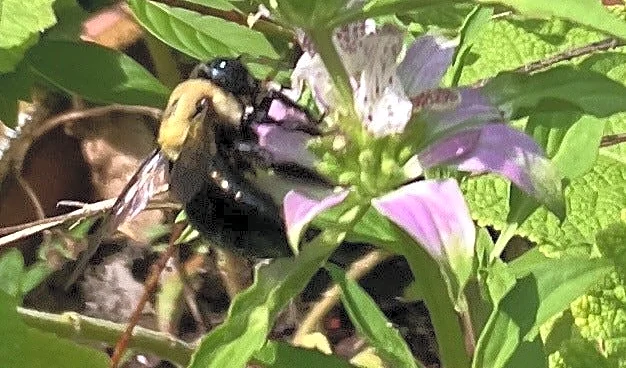
In particular, I'm on the lookout for Shrubby St. John's Wort, Hypericum prolificum, to add to my pollinator garden. This compact flowering shrub has lovely yellow flowers that are wildly popular with bees. As soon as the heat breaks, I’ll be ready to get my new shrubs straight into the ground.

Why Fall Planting is Best for Plants
Many
gardeners assume that the spring is the best time to plant, but in reality, cooler air and warm soil temperatures make fall the perfect season for establishing new shrubs, trees, and perennials.
There are several factors that help to give plants a head start when planted in the fall.
Better Root Growth
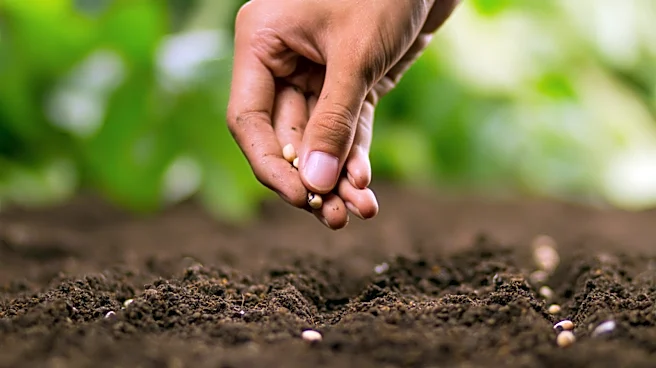
While leaves may fall and above ground plant growth slows, warm autumn soil encourages active root development. By the time spring arrives, a deep, well-established root system gives plants a massive head start before the hot temps of summer arrive.
Consistent Rainfall
Fall in coastal North Carolina typically brings more manageable temperatures and reliable rainfall compared to the intense heat and dry spells of summer. Soil stays evenly moist for longer periods, which helps to reduce transplant shock for newly planted landscaping plants. This natural humidity and rainfall allow new roots to settle in with far less stress.
Less Pests
As temperatures cool, major insect populations, fungal pathogens, and aggressive weed activity drop off significantly. Newly planted foliage faces far less pressure from destructive pests and doesn't have to compete with fast-growing summer weeds for vital soil nutrients. This pest-free buffer allows young plants to adapt and build strength uninterrupted.

How to Set Plants up for Success
N.C. State Extension recommends following some simple best practices when planting your new shrubs or trees. Fall planting success starts with digging a hole two to three times wider than the root ball while keeping the plant's root flare level with the surrounding soil. Always backfill with native soil rather than heavy amendments to encourage roots to spread outward. Water deeply immediately after planting to settle air pockets, and continue deep, periodic soakings through late autumn if there isn't sufficient rainfall. A good, two-to-three-inch layer of organic mulch across the root zone will help to stabilize soil temperatures and conserve moisture.
By planting your new nursery finds this fall instead of waiting until spring, you give them the ultimate head start. Soon, my new Shrubby St. John's Wort will be safely tucked into warm autumn soil, with plenty of time to get established before the heat of next summer returns.

Amy Mead is the County Extension Director in New Hanover County. She can be reached at afmead@ncsu.edu. Visit NC Cooperative Extension at the New Hanover County Arboretum.
This article originally appeared on Wilmington StarNews: Here's why fall is the best time for planting in the Wilmington area