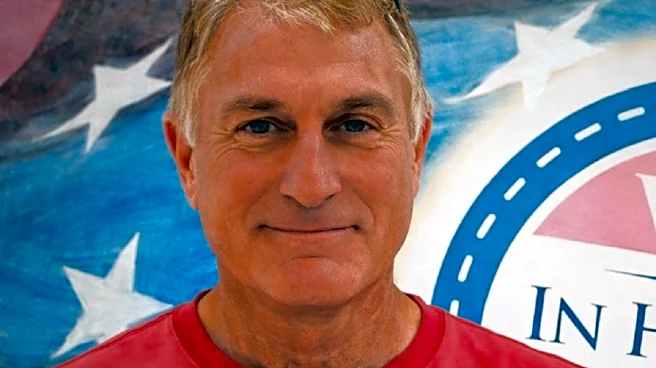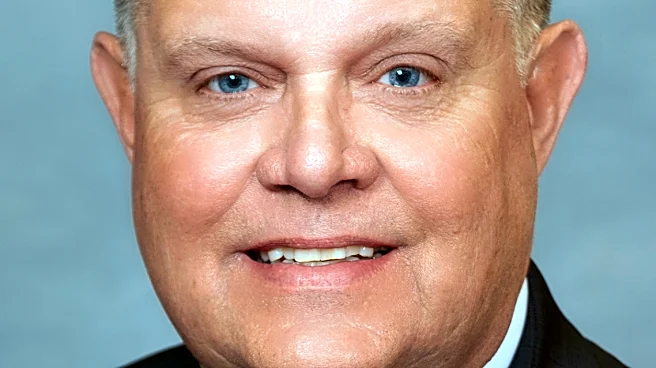

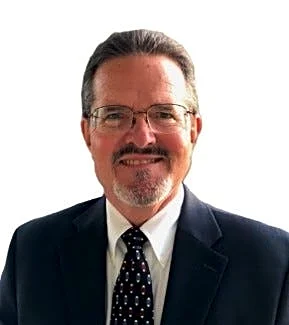
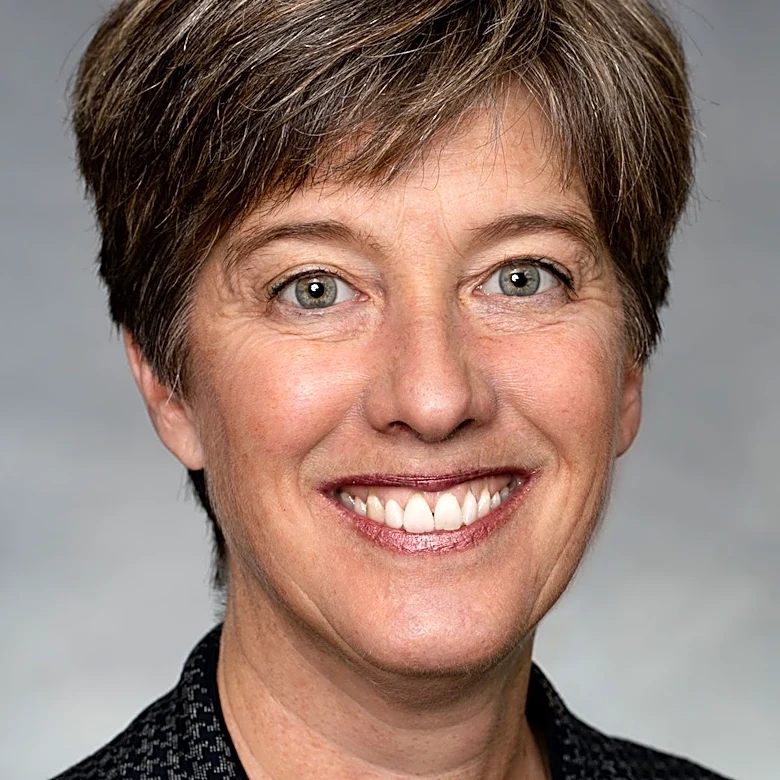
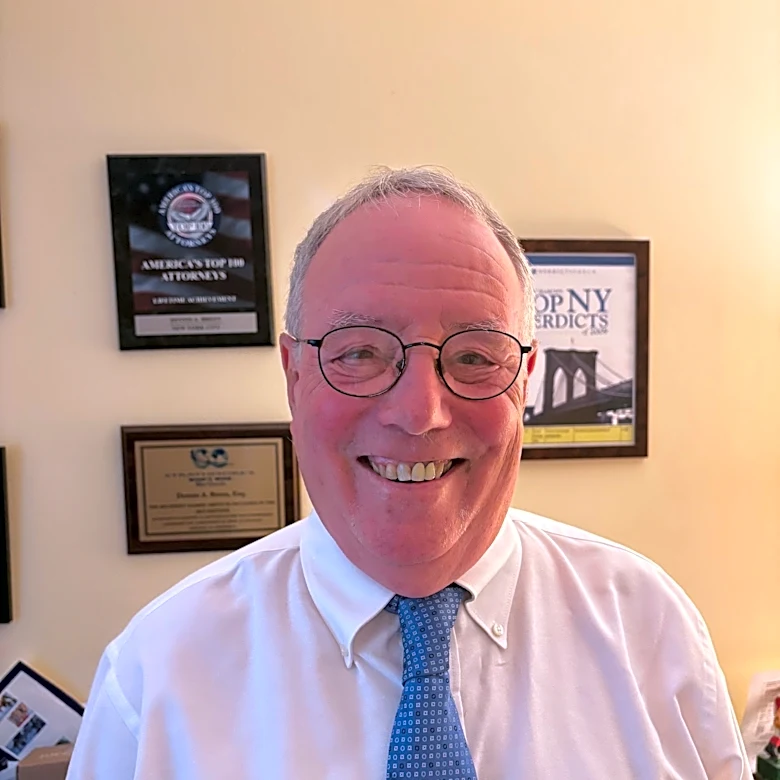
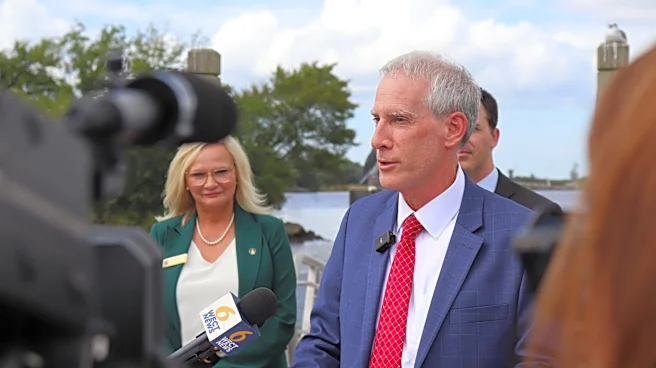
Democratic Precinct Chair Scott Nasiff is challenging N.C. House representative Charlie Miller for his seat in Raleigh this November.
Miller is wrapping up his third term as the House District 19 representative.
The municipal election will be held on Tuesday, Nov. 3, and polls will be open from 6:30 a.m. to 7:30 p.m. Voters may also cast their ballots absentee by mail and during the early voting period, which begins Thursday, Oct. 15 and goes through Saturday, Oct. 31. Absentee ballots are due at the Brunswick County Board of Elections office by 7:30 p.m. on Election Day.
Here are the candidates' responses and their thoughts on current issues.
Candidate responses have been edited for style, grammar and length.
Charlie Miller

Age: Not provided.
Occupation: State
representative; retired chief deputy, Brunswick County Sheriff’s Office
Education: Basic law enforcement training, Cape Fear Community College
Political experience: North Carolina House of Representatives, three terms; Brunswick County Board of Education, four terms
Political affiliation: Republican
Scott Nasiff

Age: 61
Occupation: Self employed
Education: Master of arts in international affairs; Bachelor's degree in political science
Political experience: Democratic precinct chair
Political affiliation: Democrat
What are the top issues facing your district?
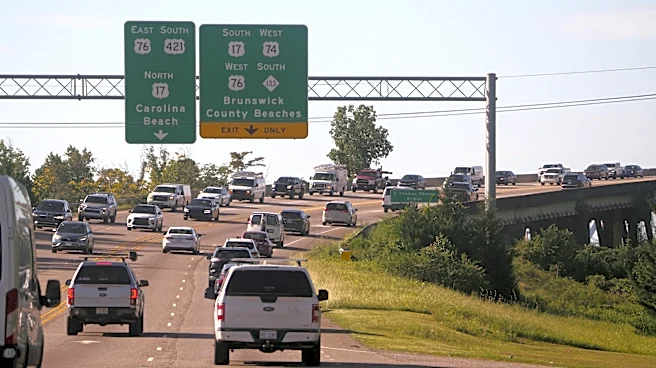
Miller: Rapid growth is putting pressure on roads, schools, water systems and family budgets across Brunswick and New Hanover counties. Residents need clean drinking water, reliable infrastructure and the confidence that growth will not leave them paying higher utility bills or sitting in longer traffic. We also need to recruit and retain law enforcement officers, first responders and healthcare providers. These issues are connected – A growing district can thrive only if essential services keep pace and the people who already live here can afford to stay.
Nasiff: The top issues facing District 19 are: Rampant and unchecked growth with a lack of infrastructure and no current plans by the legislature to address it, polluted drinking water, skyrocketing prices - especially forhousing, healthcare and electricity, and underfunded public schools with low teacher wages.
What goals do you have for your district?
Miller: I want our district to be a place where families can afford to live, children can get a strong education and a place that creates lasting opportunity. That means replacing the Cape Fear Memorial Bridge without a toll, improving roads and water infrastructure, holding polluters accountable and giving local residents a stronger voice in decisions that affect their communities. I will keep working to support first responders, expand workforce training and ensure that major developments pay their fair share of the costs they create.
Nasiff: I will be tackling the current issues addressed above and advocating for impact fees for developers, passing a law that allows the counties/cities to factor in infrastructure needs when assessing whether they should approve or deny a development, increasing funding to public schools and teacher pay, advocating for safe clean drinking water and holding the polluters responsible, and banning forever chemicals.. I will also advocate for increasing the minimum wage and bringing down costs for the residents of the district.
Why are you the best candidate for this position?
Miller: I have spent more than 33 years in law enforcement, served four terms on the Brunswick County Board of Education, and now represent House District 19 in the General Assembly. Those roles have taught me how state decisions affect public safety, classrooms and local families. I know this community because I have lived and worked here my entire life. I bring that experience to the job, along with a willingness to work across party lines to solve practical problems while standing by the conservative values my constituents elected me to uphold.
Nasiff: I am the best candidate because I will represent the people of this district. I want to make their lives better. People want someone who will listen to them, keep them informed and pass laws that will help them. No matter what your political affiliation, I will always have an open door policy to listen to the residents of the district. My opponent has not done that. He has lost his way and no longer represents the people of District 19. He represents developers, corporations and the wealthy.
How will you tackle affordability?
Miller: Families feel the cost of housing, electricity, transportation and child care every day. I support keeping taxes low, reducing unnecessary red tape regulations and investing in workforce training that leads to better-paying jobs. I also believe large developments should pay their own infrastructure and energy costs rather than shifting them onto residential ratepayers. We need enough housing and infrastructure to meet demand. State policy should help working families build a future here, not make them pay more to support growth that benefits someone else.
Nasiff: I believe we need to raise the minimum wage to a living wage. Minimum wage has not increased from $7.25 in over 17 years. We should also go to a graduated personal state income tax rate where those who truly need a tax break get it, and those who are wealthy pay more. Corporations need to pay their fair share and should be paying state income taxes. We should also look at property tax relief for seniors/lower-income homeowners and adjust the limits, so more people qualify and rates stay low for them. We also need to look at utility rate regulation, as energy prices are increasing rapidly.
How will you increase healthcare access in your district?
Miller: Access means little if a family cannot find an appointment nearby or reach care when they need it. I will continue to work with local healthcare providers to identify gaps in primary care, specialty care and emergency services. We should support the healthcare workforce, make appropriate use of telehealth and ensure transportation planning accounts for access to medical care. Replacing the Cape Fear Memorial Bridge without a toll is part of that effort. Residents should not have to pay every time they cross the river for an appointment.
Nasiff: We need to fully fund Medicaid so people have the healthcare they need. This will help rural hospitals stay open and treat area patients who need care. Also, we should consider expanding telehealth with reimbursement parity in these rural areas. We should also allow nurse practitioners to practice independently, which will allow them to open practices in cities and in rural areas of the district. I will also be a proponent of getting additional hospital systems to make their home in Brunswick and New Hanover counties so people have choices. Choices have shown to help drive down costs for patients.
What’s your plan to improve infrastructure in your district?
Miller: Replacing the Cape Fear Memorial Bridge without a toll is a top priority. I support pursuing federal bridge grants, dedicated state funding and other responsible financing options so residents are not charged for a crossing they depend on every day. We must also keep roads, schools, water systems and public safety services ahead of growth rather than waiting for them to become overwhelmed. I will push for infrastructure decisions that reflect actual population increases and require major new developments to account for the demands they place on surrounding communities.
Nasiff: We need to pass a law that requires developers pay impact fees. Developers pay impact fees in 34 other states but not in North Carolina and that needs to change. These impact fees will help pay for infrastructure costs. The state also needs to increase the amount of money spent on infrastructure. Brunswick and New Hanover counties are growing rapidly. In Brunswick alone, we have over 50,000 homes already approved for development, with no plans for increased infrastructure. It will be one of my priorities to get additional funding for the district, so that we can start to build out our infrastructure.
How will you approach growth concerns in your district?
Miller: Growth should be planned with the people who live here, not imposed on them. Local elected officials should have a meaningful, accountable role in development decisions – and residents should be able to see proposed projects and make their voices heard. I will look closely at whether any new development has adequate roads, water capacity, public safety coverage and school space. I also believe large projects must account for their effects on utility bills and natural resources. We can welcome opportunity while protecting the quality of life that makes this district home for current residents.
Nasiff: I support managed and responsible growth. Usually, you want infrastructure to work in tandem with growth. This has not happened in Brunswick, nor New Hanover County. We need to give power back to local governments. County and city officials need the ability to approve or deny a development based on infrastructure needs. If the infrastructure is not in place, they should be able to deny a development until it is. In addition, developers need impact fees to help pay for infrastructure. We also need to look at environmental impacts from growth. We should be protecting our wetlands, banning clear cutting and regulating open burns.
STAY CONNECTED: Keep up with the area’s latest Brunswick County news by signing up for the Brunswick Today newsletter and following us on Facebook and Instagram.
Savanna Tenenoff covers Brunswick County for the StarNews. Reach her at stenenoff@usatodayco.com.
This article originally appeared on Wilmington StarNews: Meet the candidates for NC House District 19