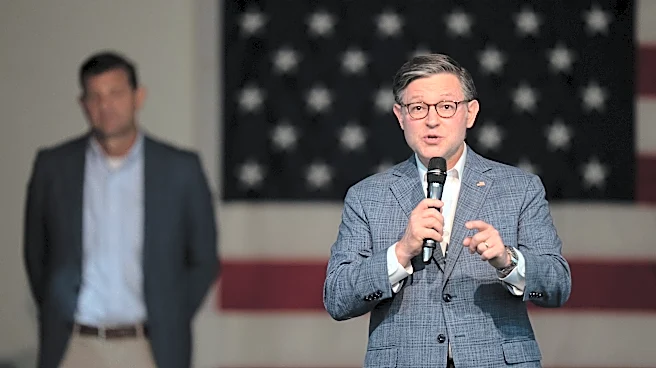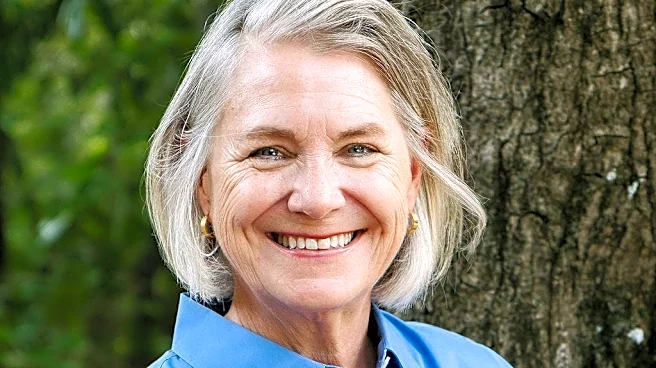




Deb Butler, the Democratic incumbent for the North Carolina House of Representatives District 18 seat, faces a challenge from Republican Latisha Grady in the upcoming election. Butler is seeking a fifth term.
The two-year term of office comes with an annual base salary of $13,951.
The district represents New Hanover County.
The voter registration deadline is Oct. 9. In-person early voting begins Oct. 15, with same-day registration available. The absentee ballot request deadline is Oct. 20 at 5 p.m. In-person early voting ends on Oct. 31 at 3 p.m.
Election Day will be Nov. 3. The absentee ballot return deadline is Nov. 3 at 7:30 p.m.
North Carolina residents can check their voter registration status on the North Carolina State Board of Elections website.
Here are the candidates’ responses and their thoughts on current issues.
Candidate responses have been edited for grammar, style and length.
Deb Butler

- Age: 65
- Occupation: attorney/The Butler Firm, PLLC (retired)
- Education: The University of Tennessee, BA (1983); Wake Forest University School of Law, juris doctorate (1986)
- Political experience: Served as a representative to North Carolina House District 18 since 2017. Has served as chief whip, Democrat chair of both the Judiciary and Finance committees.
- Political affiliation: Democrat
Latisha Grady

- Age: 54
- Occupation: Ride-share driver
- Education: East Carolina University BA (2022)
- Political experience: Jones County Republican Party secretary; marketing support for Lenoir County Republican Party (2021-2023); grassroots field support for the DeKalb County, Georgia, Republican minority engagement outreach (2013-2015); grassroots field support for the Cobb County, Georgia, Republican Party for Barry Loudermilk (2015).
- Political affiliation: Republican
What are the top issues facing your district?
Butler: Many issues are interwoven together and none of these challenges exist in a vacuum. We can’t discuss how expensive it is to live in the Wilmington area without discussing the rising cost of housing, groceries, energy, healthcare insurance and gasoline. Many of the root causes of these challenges are happening federally, but our challenge at the state level is to work with local leaders to pass legislation to ease the effects of these spiraling costs. I would like to reinstate the Earned Income Tax Credit and expand tax relief for those who need it most by expanding existing property tax relief measures.
Grady: Jobs, affordable housing, education (e.g., funding, improve literacy, academic performance, opportunity, scholarship debate, increase in veteran teacher pay, restrictive calendar), and public safety (e.g., eliminate soft-on-crime policies, cashless and low bail for violent offenders).
What goals do you have for your district?
Butler: The most pressing matter is to pass our school bond that you will find on your ballot. Our county commissioners recognize that to keep up with growth, we must renovate the schools we have, enlarge and expand others where possible and build new as required. We have a commitment from The Endowment to work in concert with the county on this critical initiative. We must be unrelenting when it comes to pushing back on ANY consideration of a toll on the Cape Fear Memorial Bridge project. Also, we must advocate for legislation to punish those who contaminate our air, water and soil.
Grady: Disrupt District 18’s cycle of poverty by increasing residents’ earning power, expanding economic opportunity and creating pathways to self-sufficiency. I will support tax and economic-growth policies that help working people and small businesses keep more of what they earn while encouraging investment and job creation. District 18’s unemployment rate is 4.7%, compared with 3.1% in New Hanover County, with higher rates among youths and men. I will work with Cape Fear Community College, local employers, business leaders and community organizations to explore a trades and career training center inside District 18.
Why are you the best candidate for this position?
Butler: I have the experience and education necessary to be effective at the job, but more importantly, I think I’m the best choice because I have an unwavering commitment to the people of this district. I have led within my party from the front as chief whip and as the Democratic chair of the Finance and Judiciary committees. I will always advocate for this community with as strong a voice as necessary for policies that seek to improve the lives of everyone. Service is a privilege, and I always keep that in mind.
Grady: In addition to 15-plus years of business operations and entrepreneurial experience, I’m the best candidate because I look like my district — not just because of skin color, but relatability. Two years ago, I was laid off and forced into the gig economy. So, I’m living the same housing, healthcare and cost-of-living challenges my district faces. My campaign mission is to unify diverse people around common sense values, not rhetoric that divides along race, gender and class. I offer a common sense approach to problem solving, not a progressive or socialist one. I am inclined toward collaboration, not partisan pin the tail on my opponent politics.
How will you tackle affordability?
Butler: To help people’s pocketbooks, we could reinstitute the Earned Income Tax Credit to help working families qualify for up to about $1,400 a year. I fully support universal free breakfast and lunch for all students in North Carolina’s public schools. That would help hold down grocery prices somewhat. We can help seniors and/or disabled persons by expanding existing law concerning real estate taxes. Eligible people can have a portion of their real estate taxes deferred. I believe if you qualify, by virtue of senior status or disability, those deferrals should be forgiven.
Grady: First, by defining the term and using it accurately. There are two competing visions for North Carolina’s economic future and social order: one that defines affordability as the result of perpetual government subsidies, and the other that defines it as ensuring residents earn enough income to afford the lifestyle they want without needing government assistance. Therefore, my approach to tackle affordability is through responsible tax policy, researching and expanding non-traditional education and job-training pathways, and creating incentives that attract top employers while addressing the infrastructure needs required to accommodate that growth.
How will you increase healthcare access in your district?
Butler: One idea would be to streamline eligibility for financial assistance and access to healthcare. Rather than having to fill out yet another ream of forms, there should be presumptive eligibility based upon existing eligibility for other needs-based programs. I believe we should continue enlarging the scope of practice of healthcare professionals, allowing nurse practitioners and physician assistants more autonomy without compromising patient safety. I would like to investigate community-based paramedicine programs to see if they can expand access together with an expansion of telehealth services, particularly dealing with mental health.
Grady: The district has access to healthcare, with clinics within walking distance in many lower-income areas, and anyone can seek emergency care at an ER. The bigger problem is access to affordable health insurance. I would work to expand insurance options by reducing reliance on employer-based coverage and increasing consumer choice. I support a free-market approach that allows individuals to purchase health insurance more like they purchase auto insurance. This could expand the market for insurers while giving people across all income levels — especially gig workers — more affordable options outside the limitations of Affordable Care Act plans.
What’s your plan to improve infrastructure in your district?
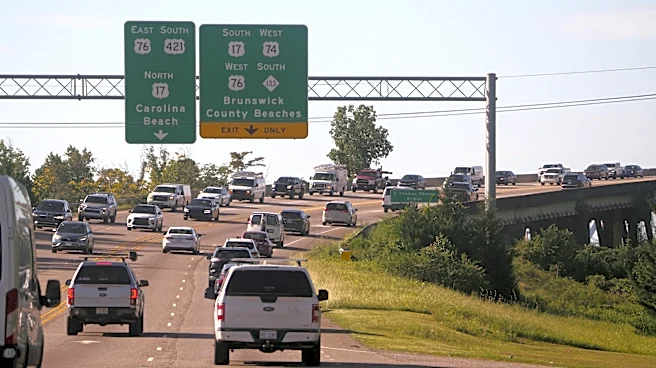
Butler: I will continue to press for legislation that I have drafted and previously filed that would compel polluters to pay for the technology necessary to remove those toxins from our drinking water. I will also push back strongly at any suggestion that the replacement of the Cape Fear Memorial Bridge should be a toll bridge. That is double taxation and not fair, particularly to those who travel to Wilmington for work every day. We are going to need to focus on resiliency wherever possible because climate change is real and storms are more ferocious and frequent.
Grady: I believe economic growth and planning an infrastructure that accommodates economic growth go hand in hand. You can’t plan for one without the other. And because infrastructure in Wilmington has become highly politicized, my first step would be to consult with veteran lawmakers and civil engineering experts to get accurate information about the real problems and what’s actually needed so I can become an informed advocate for my constituents on this issue. Generally, I am in support of smart and responsible infrastructure improvements that preserve our natural environment and don’t disrupt communities.
Bob Liepa is the city of Wilmington and public safety reporter for the StarNews. You can reach him at RLiepa@usatodayco.com.
This article originally appeared on Wilmington StarNews: Meet the candidates for NC House District 18