
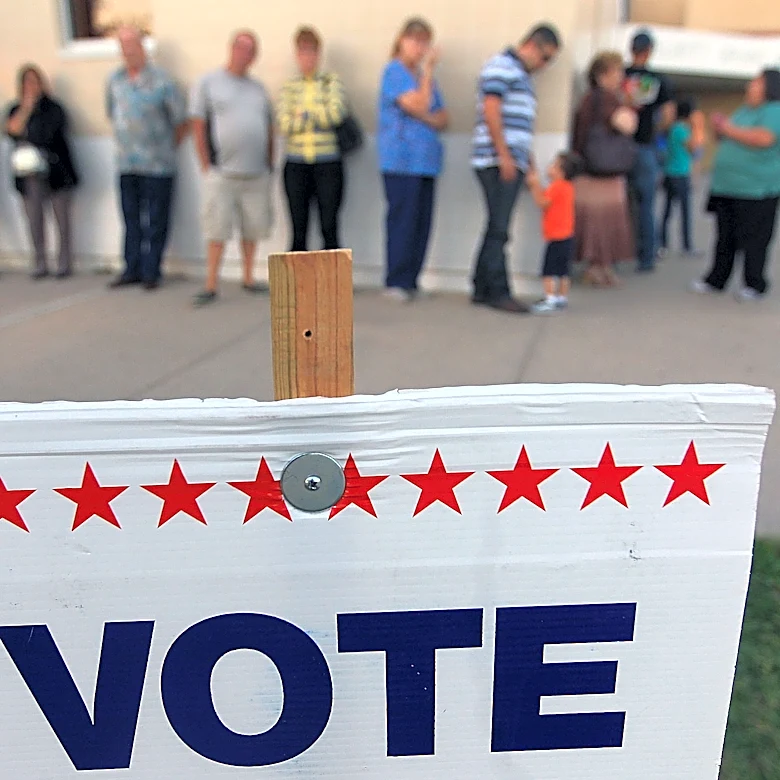
Voters in North Carolina's seventh congressional district will have a choice of three candidates on Election Day.
The candidate elected will serve a two-year term with a salary of $174,000, and he or she will represent a portion of Southeastern North Carolina that includes Brunswick, New Hanover and Pender counties and stretches east to parts of Cumberland County, including areas of Fayetteville.
In-person early voting begins on Thursday, Oct. 15 and continues through 3 p.m. on Saturday, Oct. 31. Election Day is Tuesday, Nov. 3, and polls are open from 6:30 a.m. to 7:30 p.m.
Here are the candidates’ responses and their thoughts on current issues.
Candidate responses have been edited for style, grammar and length.
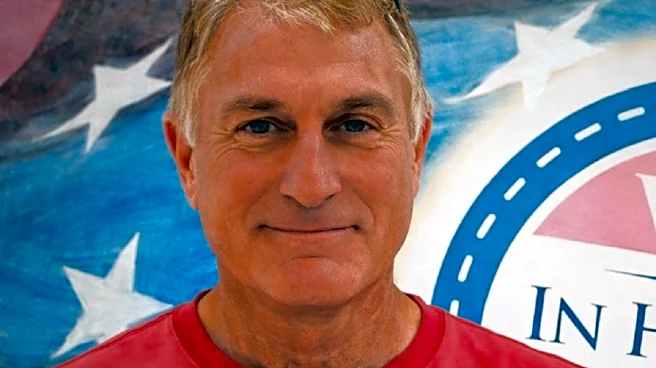
Maad Abu-Ghazalah

- Age: 64
- Occupation: Software Consultant
- Education: B.S. Mathematics, University of Notre Dame; M.S. Computer Science, University of Virginia; J.D. Santa Clara University
- Political Experience: Maad ran for U.S. Congress in 2002 and 2004 on a platform of staying out of the war in Iraq and repealing the USA PATRIOT Act, which gave the government broad surveillance power. Maad has appeared on multiple political podcasts including "Liberty Blues," "Political Freedom Fighters," and "Rage Against the War Machine," and other programs discussing war, foreign policy, civil liberties and constitutional issues.
- Political Affiliation: Libertarian
Kimberly Hardy

- Age: 55
- Occupation: Associate Professor of Social Work
- Education: PhD, Social Work, Morgan State University; master's in social work, The Ohio State University; bachelor's in social work, Morgan State University
- Political Experience: Second Vice Chair, North Carolina Democratic Party, 2023-present. Former Second Vice President, Democratic Women of North Carolina. Former Chair, Democratic Women of Cumberland County. Candidate, NC House of Representatives (District 43).
- Political Affiliation: Democrat
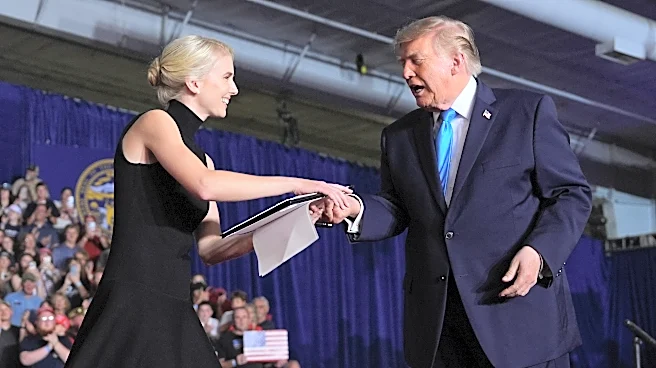
David Rouzer

- Age: 52
- Occupation: U.S. Congressman, North Carolina’s 7th Congressional District
- Education: NC State University, Bachelor of Science degrees in Agricultural Business Management and Agricultural Economics, and Bachelor of Arts in Chemistry.
- Political Experience: My political experience spans decades, from serving as a senior staffer for Senators Jesse Helms and Elizabeth Dole to serving as a Senior Executive Service appointee under President Bush at USDA Rural Development. As a North Carolina State Senator, I was consistently recognized as one of the state’s most effective pro-business legislators. Elected to represent North Carolina’s Seventh District in 2014, I prioritize delivering results for farmers, veterans, rural communities, and small businesses. Today, I chair the Subcommittee on Highways and Transit of the Committee on Transportation and Infrastructure and serve on the Agriculture and Science, Space, and Technology Committees.
- Political Affiliation: Republican
How will you address the diverse needs of the residents you represent?
Abu-Ghazalah: In spite of the district’s
diversity, the residents face common challenges. Since many of these challenges are actually caused by our federal government, it will be my responsibility to ensure the government does not get in the way of our personal freedom and economic vitality. Specifically, I will address runaway inflation by ensuring the budget is balanced so we don’t keep printing money which devaluates the dollar. I will also fight against Flock andother mass surveillance systems that violate our privacy, and I will end the wars that bankrupt our country and make it difficult to finance projects domestically.
Hardy: Part of representation is showing up. I decided to run for Congress because as I traveled around southeast NC, so many people said they were frustrated at how rarely they saw our Congressional representative, that they didn’t even know who it is. So, I started this campaign with listening sessions in all eight of our counties, scheduled across eight days. I’ve now done this twice. It’s important that NC-07’s Representative hears regularly from the people of the district, not just a select few. When elected, I will continue to do at least one public event in every county, every year.
Rouzer: Representing the diverse communities of the Seventh District requires an understanding of the unique priorities of each area. The district is geographically and economically diverse encompassing cities, rural agriculture communities, and coastal communities. Our district is also home to thousands of veterans who have sacrificed to defend our nation and deserve our continued support. Each of these communities has unique economies, challenges, and opportunities. I remain committed to listening to all sectors of this district in order to strengthen our local economies, support those who served our nation, and improve our infrastructure across the district.
Explain your position on growth and development.
Abu-Ghazalah: The role of the federal government is to ensure the pace of development does not outpace infrastructure and that our environment is not compromised for the sake of corporate profits.
Hardy: It is wonderful that so many people want to become North Carolinians by choice. People moving into our district bring energy that keeps our communities moving. But growth needs to be managed, with transportation, water, power, and other infrastructure suitably planned so costs for residents don’t rise and communities are able to protect themselves from flooding and other hazards. One place where my opponent has shown his dedication has been in supporting local communities and counties’ grant applications. This pattern makes his vote against the funds for the Cape Fear Memorial Bridge — supported by Thom Tillis — even more puzzling.
Rouzer: Individuals and families move to desirable locations, and the 7th Congressional District is one of the most desirable places to live in the country. Growth brings opportunities and challenges. Those challenges can be significant when growth occurs rapidly. As our communities grow, we must make smart investments while protecting the quality of life for all who call our region home. This means investing in roads, bridges, water and sewer systems, and improving access to healthcare to keep up with the growth. I am continually focused on improving our region’s infrastructure to better manage growth, create jobs, and protect against storms.
How will you work to make housing more affordable for people in this district?
Abu-Ghazalah: Housing affordability is better handled at the state and local level than from Washington DC’s “one size fits all” approach. Of course, housing will be more affordable if people’s earnings weren’t devalued by inflation, which, again, is caused by the federal government’s massive $2 trillion deficit.
Hardy: One of the most important steps we can take? End the trade war with Canada. Corporate interests and politicians have kept the tariffs — the importation taxes we pay — on Canadian building materials too high for too long. There are other regulations, some smart but some unneeded, that have made it more expensive to build manufactured homes. Congress recently passed a bill that makes some important progress here, now we need the NC General Assembly to take action. We also need to make sure that the housing is near stores, schools, and services, especially with how high gas prices have risen this year.
Rouzer: Homeownership is a cornerstone of the American dream. We must increase the supply of homes and reduce burdensome regulations that drive up costs. I proudly supported the 21st Century ROAD to Housing Act, which removes barriers to new construction, modernizes housing programs, and makes it easier for families to secure financing for a home. Legislation like the PERMIT Act, which I co-authored and passed in the House, would complement these efforts by creating consistent and predictable timelines, making housing construction less costly. I will continue working to streamline regulations at the federal level to lower costs for North Carolina families.
What steps will you take to lower the cost of living?
Abu-Ghazalah: The cost of living is increasing because of inflation. Inflation is caused by the government’s irresponsibility in refusing to balance the budget and their willingness to run deficits in the trillions of dollars. I would regain control of our fiscal policy by balancing the budget through ending our military expansionism and wars overseas and transitioning entitlements to the local and state level.
Hardy: Two major drivers of the recent inflation are the war in Iran and the tariffs. These have raised the cost of diesel, which raises the cost of food and so much else. These are also two areas where my opponent has refused to do anything to stop what’s going on. We need to raise the minimum wage for the first time since 2008. We need smart investments in clean, local power generation and battery storage to lower power bills. And we need to make sure we’re building our economy from the bottom up, helping NC workers and small businesses succeed.
Rouzer: Affordability remains one of the biggest challenges facing American families. Excessive government spending drove inflation far higher than it otherwise would have been coming out of the COVID era, eroding everyone’s purchasing power. In Washington, I will continue to work to make America even more energy dominant, eliminate fraud costing taxpayers trillions, and advance regulatory reforms to further strengthen our economy and increase wages at a rate greater than the rate of inflation. Continuing to expand America’s energy supply and bringing down the cost of transportation are essential to reducing the cost of food and other essentials.
What three projects are most needed for the residents in this district?
Abu-Ghazalah: 1) I would empower the EPA to enforce environmental laws to protect our water supply and other natural resources from damage from agricultural and industrial waste, data center cooling, and large construction developments. 2) I would free our residents from bureaucratic limitations on receiving federal emergency relief such as the politically motivated anti-BDS requirement. 3) I would invest in coastal resilience and flood mitigation upgrades to prepare for the consequences of a warming planet.
Hardy: My high-priority projects include getting the Cape Fear Memorial Bridge funded in a way that the burden doesn’t fall so heavily on the people in Wilmington and the surrounding area, completing I-74 to improve connections across our district, and getting commuter rail from Fayetteville to Raleigh that will also provide better access for people in Robeson, Bladen, and Sampson counties. There are lots of other needs in our district, including our doctor shortage. The Medicaid cuts that my opponent voted for will undercut the progress leaders in Wilmington and Fayetteville have been making to bring more doctors into our communities.
Rouzer: Critical upgrades to infrastructure, workforce, and resiliency systems are key for Southeastern North Carolina. Investments in Wilmington International Airport will help stimulate the economy for decades. Further, workforce training is a top priority, including investments I have helped procure for UNC Wilmington as well as our community colleges, so employers have the workforce they need. Resiliency against hurricanes and other natural disasters is also critical. I continue to support critical beach nourishment projects, the frontline to coastal defense. I have also worked to secure investments in stormwater systems to help prevent and reduce inland flooding.
What is your position on the Iran War?
Abu-Ghazalah: My position is consistent with that of the vast majority of Americans who oppose the ongoing Iran War. This is one of the most unpopular wars in U.S. history, yet it continues unabated. In poll after poll, the U.S. public has shown a deep aversion to these forever wars in the Middle East, yet we keep getting dragged into them. I would push to end this war immediately so we can focus our attention and resources on problems at home.
Hardy: Congress needs to take back its constitutional authority over war and peace, especially for such a long operation. Part of what makes America great is open debate, with decisions made by representatives who can be held accountable for their votes. Personally, I am not convinced that this war is necessary at this time. There are better ways to prevent terrorism and the spread of nuclear weapons. It has left our military over-committed and under-prepared for other potential incidents. Congress failing to do its job has had real consequences for our military and national security.
Rouzer: Should Iran gain nuclear weapons, they will use them to annihilate Israel and America as well as our allies. Iran is the world’s leading state sponsor of terrorism, exporting violence, destabilizing the Middle East, and threatening the United States and our allies. Iran must never obtain a nuclear weapon. I support President Trump’s decisive actions to dismantle Iran’s nuclear and military capabilities, eliminate the threat, and secure peace and regional stability. I am grateful for the courage of our servicemembers and will continue supporting all measures to put the economic screws to the Iranian leadership and the IRGC.
Since subsidies for the Affordable Care Act expired, what is the best way to help residents?
Abu-Ghazalah: In many cases, premiums have doubled because of the expiration of the subsidies. Although I do not think we can afford universal health insurance, I think a government-provided universal catastrophic health insurance is attainable. I don’t believe anyone should die or go bankrupt because they can’t afford essential health care. Universalcatastrophic health insurance does not solve all health issues, but it does address the most critical ones.
Hardy: Let’s be clear: the ACA subsidies ended because my opponent decided he would rather fund another tax break for billionaires than help the small business owners, farmers, and thousands of others in our district who pay for their own insurance. This is one issue where the differences in our approaches could not be starker. I support real competition among providers and real protections for patients, including cracking down on pharmacy benefit managers and monopoly practices. He still wants to toss out the Affordable Care and Patient Protection Act without a real plan to replace it.
Rouzer: Rather than relying on increasingly expensive premium subsidies to offset the rising cost of healthcare, I support long-term structural reforms to increase competition, expand employer-based coverage, and give individuals more affordable choices. By expanding Association Health Plans and CHOICE Accounts, we can provide lower-cost healthcare options. I also support Pharmacy Benefit Managers (PBMs) reforms to increase transparency, lower prescription drug costs, and protect our independent pharmacies. We must create competition to drive down cost, foster innovation, and preserve America’s leadership in developing life-saving medicines while giving patients greater control over their healthcare decisions
What role do you think Congress should play in regulating hemp and THC-infused products?
Abu-Ghazalah: As a libertarian, I believe Americans should be allowed to engage in whatever social activity they choose as long as they don’t harm others. I therefore do not support government regulation of hemp or THC-infused products.
Hardy: Congress has an important role. It should set basic guardrails that still allow for medical research, for states to do reasonable policy experimentation, and to close loopholes. But what’s also a problem that requires action is that so many of our citizens feel that their most affordable, most effective medication is at gas stations rather than pharmacies.
Rouzer: Congress has a responsibility to protect children, families, and communities from the growing availability of intoxicating and potentially harmful substances due to the exploitation of a loophole in federal law. Today, highly potent hemp-derived THC products are easily available to youth. These products can cause intoxication, major health complications and death. We must ensure these products are properly regulated, kept out of the hands of children, and do not put the safety of our communities at risk.
Why are you the best candidate?
Abu-Ghazalah: I am the only fiscally responsible, anti-war candidate on the ballot. My top priorities are to balance the budget and end all forever wars. The Democrat will not try to balance the budget, so the debt will continue to grow. Meanwhile the Republican supports the forever wars which are bankrupting our country. Because my opponents accept money from lobbyists, their priorities will always be compromised by corporate and foreign interests. I, however, will maintain my integrity by not accepting any money from corporate or foreign lobbyists.
Hardy: I’m running for Congress because, as a public-school mom who works with students in our community, I have seen the consequences of us having a representative who is more focused on their career and their donors than on the needs of hard-working North Carolinians. As a social worker, I am a professional problem-solver. So much of the job of a representative is to show up, listen to people, assess the situation, and connect people and communities to the tools and opportunities they need to be successful. That will be my focus if elected.
Rouzer: This district is diverse and has unique needs. My background in agriculture, business, public policy, and legislative affairs, including my service in the North Carolina General Assembly, has helped me get things done for North Carolinians. In Congress, I have continued delivering results by advancing policies to promote economic growth, recently securing long-term coastline protection for Surf City Beach, and advocating for meaningful VA reforms to better serve our veterans. Most importantly, I listen to people from all walks of life, giving me the perspective needed to address the challenges facing our communities and our nation.
Renee Spencer is the community engagement editor at the StarNews. Reach her at rspencer@usatodayco.com.
This article originally appeared on Wilmington StarNews: Meet the candidates for US House District 7