






After a long, hot summer, the first hints of fall weather are a welcome relief to me and many gardeners.
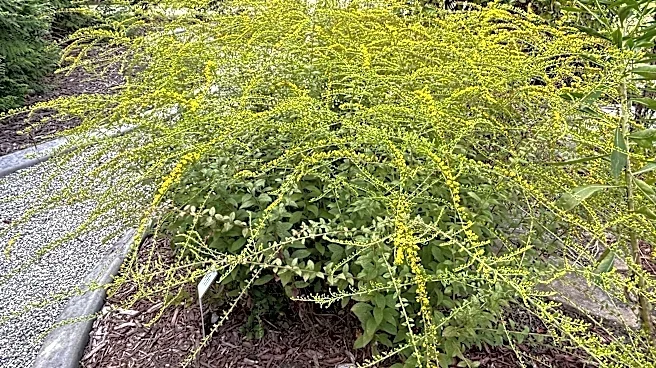
I'm finally getting a chance to tackle my backyard which has suffered through drought and extreme heat for months on end. Standing out in my shaggy garden is a plant that spent the summer hiding in plain sight, now ready to put on its annual fall fireworks show. With vibrant yellow flowers, goldenrod is an ecological powerhouse and a late season lifeline for pollinators.
Goldenrod is the common name for plants in the Solidago genus, a group with 138 species of plants in the daisy family (Asteraceae), most of them native to North America. Goldenrods are found in many different habitats and soils and are a common sunny sight on roadsides, meadows,
and ditches in autumn. As a perennial plant, they die back to the ground or leave a rosette of leaves through the winter, and the plant remains somewhat inconspicuous through the summer. In the late summer, it displays small yellow flowers on leggy stems, providing vibrant color in the garden when many summer bloomers are winding down.
Despite popular belief, goldenrod does not cause hay fever. Its bright yellow flowers simply draw attention away from the true culprit: ragweed. Ragweed blooms with green flowers and bears lightweight pollen that is blown by the wind. While the pollen from ragweed might wreak havoc on your allergies, goldenrod remains innocent, producing heavy pollen designed to be carried from plant to plant by pollinating insects. So, when friends blame goldenrod for their stuffy noses, you can set the record straight.

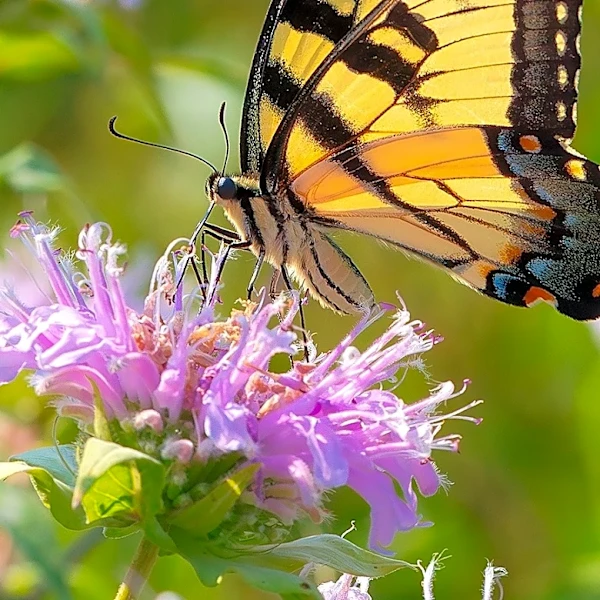
Goldenrod makes a wonderful addition to your perennial garden. Not only do they provide a cheery pop of yellow color, the blooms are incredibly attractive to various pollinators including bees, butterflies, and beetles. While you may not think of beetles as pollinators, they are some of the earth's oldest insect pollinators, pre-dating bees by roughly 100 million years. You may see flashy orange and black Goldenrod Soldier Beetles on your plants, a great example of how plants and insects co-evolve together.
My favorite pick for goldenrods is Solidago rugosa 'Fireworks', a fantastic clump forming cultivar that was discovered in North Carolina by Ken Moore of the North Carolina Botanical Garden in the 1970s. Mt. Cuba Center, a renowned botanical garden in Delaware, conducted trials of 70 different types of goldenrods for the Mid-Atlantic region over a three year period, focusing on their ornamental and ecological value. They found 'Fireworks' to be their top selection with sturdy upright stems, a mounding habit, and flowers that were both beautiful and incredibly attractive to pollinators.
Whether you are looking to support late-season pollinators or simply bring a burst of sunshine to your autumn landscape, goldenrod deserves a prime spot in the garden. Give it a home in your yard, and you'll be rewarded with a spectacular end-of-season show for years to come.

Amy Mead is the County Extension Director in New Hanover County. She can be reached at afmead@ncsu.edu. Visit NC Cooperative Extension at the New Hanover County Arboretum.
This article originally appeared on Wilmington StarNews: This yellow flower is a fall garden MVP that brings the 'Fireworks'