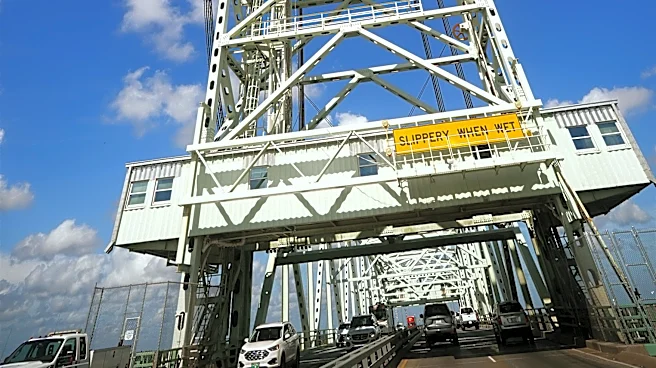






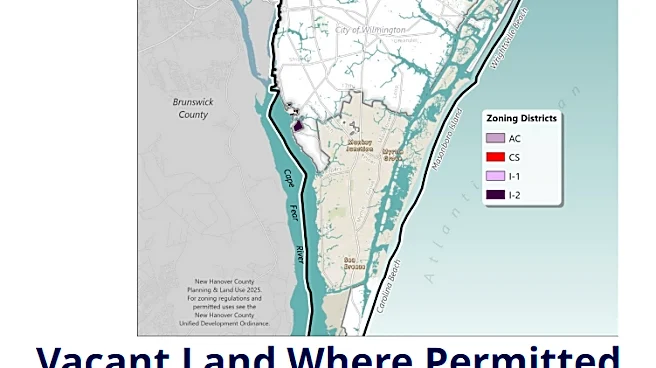


As a replacement of Wilmington’s most iconic infrastructure inches closer to breaking ground, residents and governing bodies alike are grappling with the cost of bridging the Cape Fear River.
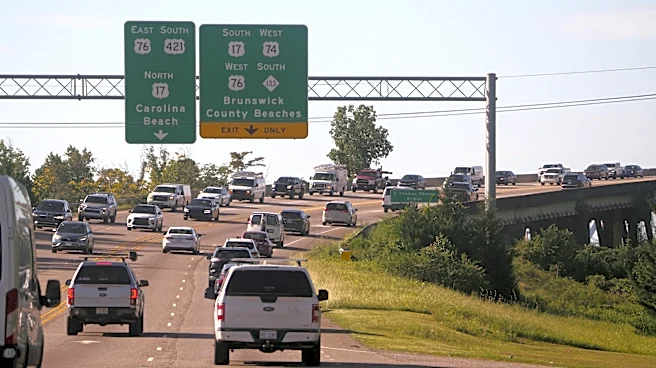
Peter Ruffin has lived at the foot of the Cape Fear Memorial Bridge for over 25 years. His front door is less than a football field from the on-ramp, which serves a portion of the 70,000 vehicles that cross the bridge each day. Under the proposed N.C. Department of Transportation designs, Ruffin said that his home will likely be demolished or he will otherwise be a “troll under the bridge,” as he told the Wilmington Urban Area Metropolitan Planning Organization in July.
With several acres of impacted land and a proposed $2 toll rate to cover the majority
of the $1 billion price tag, Ruffin — along with Wilmington City Council — worries that the current plan to bridge the Cape Fear could have adverse effects on the area.
Life on the changing riverside
A Wilmington native and a licensed real estate agent, Ruffin has experienced the region’s rapid growth firsthand. He and his wife have invested thousands toward restoring their historic 1800s home, where they enjoy walking to restaurants and shows at Thalian Hall. The couple wants to age in place, but the uncertainty of the replacement has kept the plan in limbo for several years.
“If this project takes my home, they will have to find me a comparable house,” Ruffin said. “I’m always looking at real estate. You can’t find a house like this in downtown Wilmington anymore.”
NCDOT's policy for right-of-way property acquisition dictates that the agency must pay fair market rate and provide relocation advisory services.
Ruffin said the rising tide of New Hanover County’s property values has not significantly impacted his home, which he attributed to the likelihood of its demolition. NCDOT has already spent millions acquiring property needed to complete the project.
He agrees that a new bridge is needed, but like the hundreds of residents who have submitted public comments on the replacement project, he takes issue with the NCDOT’s proposed design and use of toll funding.
Wilmington City Council have also pushed back on the proposal, unanimously passing a resolution on Sept. 1 requesting that the NCDOT explore other alternatives. The resolution urged the agency to exempt the project from tolling, delay final decisions and halt pursuit of the 135-foot fixed span option. The fixed span design is expected to have greater impacts on both property and conservation land.

Fourth bridge paused, but not dead
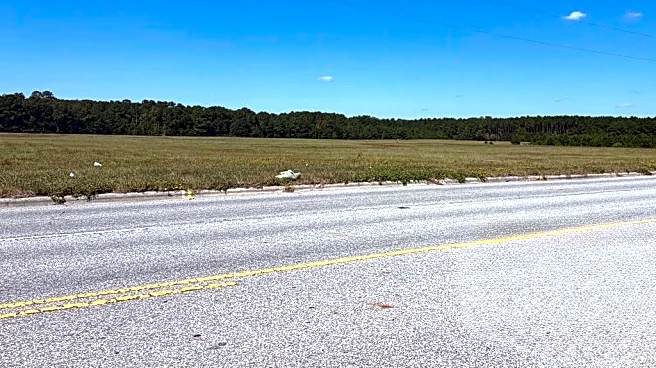
Part of Ruffin's frustrations stem from NCDOT's decision to pause work on the Cape Fear Crossing, another billion-dollar undertaking. The project, also known as the Cape Fear Skyway, proposed a 9.5-mile road and bridge connecting Interstate 140 and U.S. 421 on opposite sides of the river. A design alternative was never selected, but the bridge could have led to either Shipyard or Independence boulevards.
Cape Fear Crossing had no shortage of critics in both New Hanover and Brunswick counties, including residents of newly-built Belville homes that would have been demolished in the process. Still, Ruffin argues that the crossing offered a variety of benefits that the Cape Fear Memorial Bridge replacement design doesn't: it could provide a more direct connection to the port for freight trucks as well as offload traffic onto a major highway on the Wilmington side.
By contrast, one of the proposed replacement designs would lead to a residential district along Fifth Avenue. In 2025, a stretch of Fifth Avenue near the proposed offramp was reduced from four lanes to two with bicycle lanes on each side.

Though NCDOT stopped pursuing the project in 2019, it isn't officially off the table. It's still eligible for submission for prioritization scoring in the State Transportation Improvement Program, which determines which projects will receive funding and ultimately break ground over a 10-year period. NCDOT Public Information Officer Veronica Scott said that local planning organizations, such as the WMPO, are tasked with submitting projects for consideration.
Scott confirmed that the Cape Fear Crossing and the bridge replacement are independent of one another, and one project moving forward would not stop the other from progressing.
In June, the WMPO adopted its 2036-2031 strategic plan, which lists the Cape Fear Crossing as one of the organization's top priorities, a list that the board "believes will deliver the greatest benefit while balancing short-term needs with long-term impact."
The board submitted the project — another tolled structure — for consideration in the 2028 STIP, receiving a higher regional impact score than the replacement project. A draft of the STIP will be released in early 2027.

Isabel Holmes and Dan Cameron bridges
A proposed toll on the replacement has put renewed interest on the Isabel Holmes and Dan Cameron bridges, with traffic expected to increase on the structures as drivers reroute their commutes to save $2 per trip. The bridges technically cross the Northeast Cape Fear River, but they link New Hanover and Brunswick highways just the same.
The latest available traffic data shows that an average of 33,000 cars cross the Isabel Holmes Bridge per day, while the I-140 crossing services approximately 24,000 cars daily.
Under a tolled Cape Fear Memorial Bridge replacement, NCDOT expects that average weekday traffic diverted to the Isabel Holmes Bridge would increase 43% in 2030. Other routes — including I-140, Martin Luther King Jr. Parkway, U.S. 421 and South Third Street are also anticipated to see increased traffic due to tolls.
However, NCDOT notes that traffic growth over time will stunt the diversion, as "travel time savings may make the tolled facility more appealing."
No work beyond routine maintenance is planned for the two bridges.

What's next for the replacement project
NCDOT hosted two public comment meetings in mid-September following the release of the replacement project's environmental assessment. Dozens of residents spoke at the meetings, with many expressing opposition to tolls and support for Alternative A. The option is a a 65-foot moveable span bridge, while Alternative B is a 135-foot fixed span bridge.
An alternative selection is expected by the end of 2026. NCDOT anticipates a Finding of No Significant Impact by early 2027. Right-of-way acquisition and construction dates have not yet been determined, but a project timeline notes that a contract could be awarded by December 2027.
The project does not need any further approvals at the local level to move forward with tolls, which would fund $773 million of the $1.1 billion project, with the remaining funding coming from $85 million in state dollars and a $242 million U.S. Department of Transportation grant. The WMPO voted to keep tolls on the table in May 2025, and has until February 2027 to rescind the decision. However, since state law prohibits tolls from being applied to existing routes, the toll must be approved by the N.C. General Assembly.
Daniel Sheehan covers New Hanover County for the StarNews. Reach him at dsheehan@usatodayco.com.
This article originally appeared on Wilmington StarNews: How the prolonged Cape Fear bridge replacement shapes life along the river