

A group representing North Carolina's recreational fishermen has won a case that alleged regulators failed to adequately protect the state's fisheries for long-term sustainability and the benefit of all residents.
While a clear victory for the growing recreational fishing industry and a sign that changes are needed, what happens next remains unclear − as does what those next steps could mean for the state's hard-pressed commercial fishermen.
"The focus from our point of view is now on recovery, and what that looks like," said David Sneed, executive director of the Coastal Conservation Association of North Carolina, which brought the case along with dozens of private citizens against the state.
Sept. 1 under tight limits
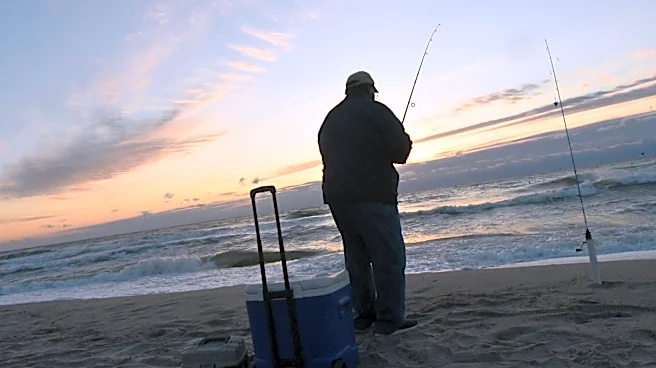
![Ben Quattlebaum gets ready to put his line out Saturday Oct. 17, 2020 as the 14th Annual Pleasure Island Surf Fishing Challenge started Friday night at midnight. The event held along the North Carolina coast in Carolina Beach, Kure Beach, and Fort Fisher, features a chance to win more than $20,000 in cash and prizes. The competition offers prizes for the heaviest Red Drum TWT (optional), bluefish, trout (speckled or gray), pompano, black drum, and sea mullet ends at noon on Sunday and is free for spectators. Anglers can bee seen weighing in their catch at any time during the course of fishing at any of our three 24-hour weigh stations—Island Tackle & Hardware, Freeman Park (the North End) near Zone 15, and on the beach near the Fort Fisher State Recreation 4-wheel drive entry. [KEN BLEVINS/STARNEWS]](https://www.gannett-cdn.com/presto/2020/10/17/NSTN/13b6e62a-2d40-4218-9220-715ed80a8c3d-NCWIL-101720-PG-SURFFISH5.JPG)
Failed responsibility
The case filed by the association alleged that the state hadn't effectively maintained its fisheries, which are considered a natural resource to be managed for the benefit of all North Carolinians.
Both the state constitution and the 1997 Fisheries Reform Act bound North Carolina to rebuild any fishing stocks that get depleted. That has led the state to get involved in managing several commercially and recreationally important species, including flounder, shrimp, blue crab and striped bass.
Driving the economy
The best way to manage the state's fisheries has been contentious for decades, especially as pressure on popular species has increased as stocks have decreased even as the popularity of fishing − at least on the recreational side − continues to explode.
The tug-of-war between commercial and recreational fishermen over who deserves a bigger share of a shrinking pie often extends well beyond the state's coastal sounds and waterways. It has played out in the halls of the N.C. General Assembly and pitted the old, traditional North Carolina where fishing is a way of life as much as a business necessity against the "new" Tar Heel State where part-time anglers and vacationing fishermen fuel many local coastal economies.
According to a 2021 report by N.C. Sea Grant, the state's commercial fishing industry contributes nearly $300 million in value and supports nearly 5,500 jobs.
But those figures are dwarfed by the economic impact of the recreational fishing sector, which contributes more than $2.5 billion to North Carolina's economy and provides more than 20,000 jobs, according to an economic report by the American Sportfishing Association using federal data from last decade.
That dynamic has made managing the state's fisheries a sort of political "third rail" in Raleigh − and left the N.C. Division of Marine Fisheries struggling to appease everyone while staying true to what the science is telling the agency is best for a fishery.
Shrimp and flounder
Two recent cases highlighted that tightrope state regulators have had to walk while managing divergent needs and desires and directives from state politicians.
In 2025, a last-minute move by supporters of a proposal to ban shrimp trawling in the state's inland waters prompted a fierce and angry response from fishermen and their coastal allies − and even spawned a rare ugly public dust-up between Republicans in Raleigh.
The bill the language was attached to was supposed to be focused on guaranteeing a recreational season for flounder and red snapper in North Carolina. That had become another hot-button issue after state biologists curtailed both, even canceling the 2024 recreational flounder season, over concerns the fisheries were severe overfished. The moves angered fishermen, who claimed they were seeing plenty of fish when they went out, and local officials who see recreational fishermen as a prime driver for their coastal communities' economies, especially during the "shoulder" season between summer and spring when visitor crowds thin out.

A lack of progress
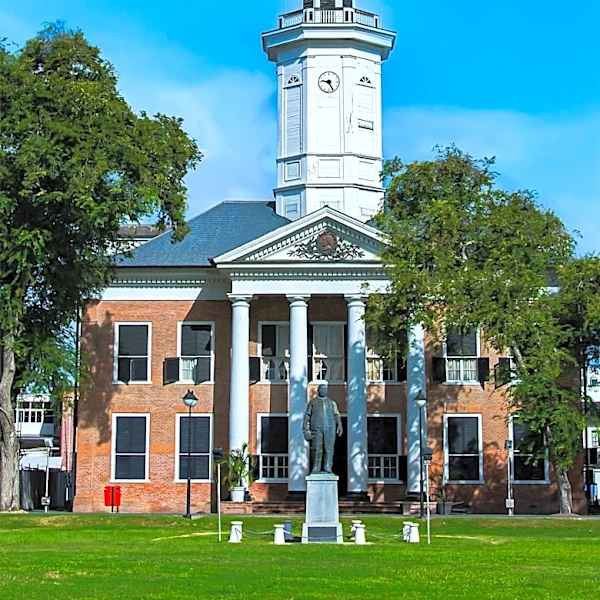
In his ruling, Judge G. Bryan Collins in Wake County Superior Court found that the state had failed to meet its obligations to manage the state's fisheries in the best interest of all North Carolinians.
The court said that the state needed to do more than take steps to prevent a complete collapse of a fishery or meet minimal stock thresholds, but must work toward maintaining and building a healthy, self-sustaining fish population over time.
The ruling noted that none of the 13 state-managed fisheries had shown substantial recovery, and several − including flounder and striped bass − had actually gone the other way and showed increased signs of collapsing.
The issue of bycatch, a major bone of contention among many environmental and recreational fishing groups, also hadn't been adequately addressed by state regulators. Of particular focus is the amount of discarded fish caught by shrimp trawlers in coastal waters and fishermen using gillnets.
The state argued economics, lack of political support for unpopular but potentially necessary management measures, financial limitations, and even impacts from climate change are reasons for the difficulties regulators have had in managing the state's fisheries − never mind that managing a wild ecosystem is inherently difficult and challenging.
Citing the ongoing litigation, state officials declined to comment on the court ruling. But at a recent meeting of the N.C. Marine Fisheries Commission meeting, Reid Wilson, head of the N.C. Department of Environmental Quality, said the agency was talking with state attorneys and working with stakeholders to determine the next steps and where things go from here, since it's really uncharted waters.
What happens now?
The judge found that the "evidence overwhelmingly established that the state breached its obligations under the public-trust doctrine and the North Carolina Constitution" in its management of North Carolina's fisheries.
The Aug. 17, 2026, decision orders the parties to meet and within 45 days prepare a joint report to remedy the situation.
Noting that the reason for the court case wasn't to go after stare regulators, the governor's office or commercial fishermen, Sneed said he's hoping all parties can sit down and come up with solutions that are beneficial to everyone.
"The bottom line is healthy fisheries benefit everybody," he said.
Reporter Gareth McGrath can be reached at GMcGrath@usatodayco.com or @GarethMcGrathSN on X/Twitter. This story was produced with financial support from Journalism Funding Partners. The USA TODAY Network maintains full editorial control of the work.
This article originally appeared on Wilmington StarNews: Court says NC hasn't protected its coastal fisheries. What happens now?