






A group of localbusiness owners in Leland are feeling weight of a 13-year-old plan designed to replace mom and pop shops with a Mayfaire-like downtown area.
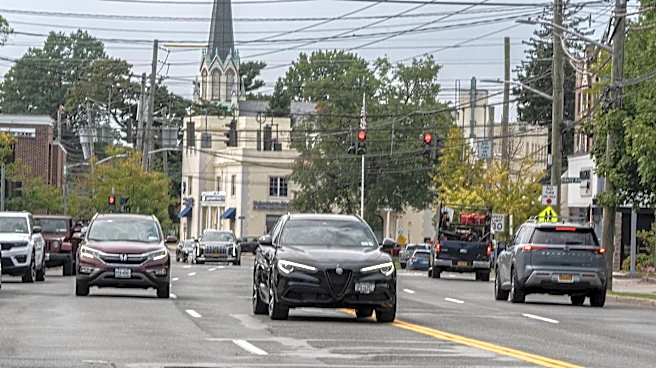
Leland's Gateway District is centralized by both residential and commercial uses along Village Road, just west of the U.S. 74-76 interchange. Though many residents and family-owned businesses call the thoroughfare home, some believe a town-approved plan from 2013 designed to redevelop the oldest district of Leland is just now showing ramifications.
The town seeks to revamp and redevelop the area to shape a more walkable, family-friendly downtown district through its Leland 2045 comprehensive land use plan adopted in Nov. 2021. One of the guiding documents for Leland 2045 was the 2013 Gateway
Infill Plan, which included rezoning the Gateway District to a "flexcode" zoning.
Illustrative plans showcasing potential for a Mayfaire-styled development and hotel near Northgate Drive are outlined in the 2013 document. However, the illustrations show existing businesses replaced with a multi-story shopping center featuring retail and office spaces, with residential units on top.
While the flexcode and plan are meant to support existing business', some business owners believe the zoning and documents are hindering their ability to upgrade, grow and envision a future for their establishment.
"Ten years later the intended results are starting to be felt," Leland resident Chris Rogers said.
Rogers and his wife, Loretta, opened Gio Fund in 2022. Gio Fund is an animal welfare charity named after their former dog Gio. The charity offers a variety of services to community pet owners and rescue groups, including a foodbank for dogs and cats open seven days a week.
The plan is the town's vision for privately owned property, Rogers explained.
The plan does not consider existing structures and businesses that are part of Village Road's history, what Rogers and Brunswick Beer Xchange owner Donna Ruggio call "legacy" businesses. Brunswick Beer Xchange has been closed since July due to structural damage, not at fault of the town, Ruggio said.
"The downtown is where the heart of Leland is, that was Leland," Ruggio said. "It has kind of been like the forgotten stepchild with all the new development that's going on."

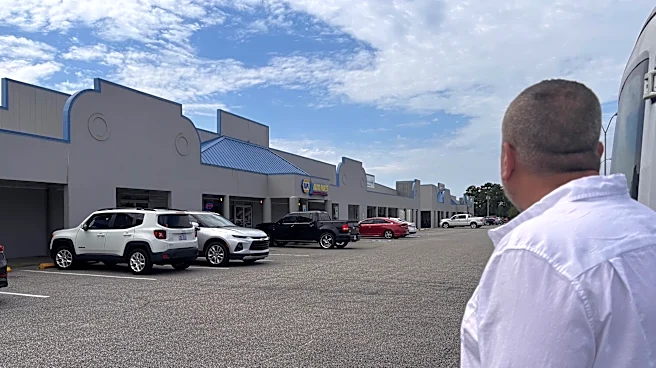
Leland's flexcode zoning has created challenges and inconsistencies, Rogers and Ruggio said. Several structures, like the strip mall, are nonconforming to the town's code since it was built in the 1980s, prior to stricter codes and enforcements.
Some businesses in older buildings are unable to perform updated work on their facilities because they are currently nonconforming structures, Rogers explained. If a business wants to upgrade their facility, fix a problem or add a permitted use, they must bring the structure to conformity and ensure the work does not exceed a certain percentage of the property value.
The price point will often exceed that value percentage, Rogers said, making businesses unable to make improvements.
Existing businesses owners said they hesitate to start on any project when they do not know if it will be there in the next 20 years. Owners said the zoning, paired with the town's permitting and inspection processes, has likely make it more costly and difficult as it has in the past.
"They are making it almost impossible to do business... Yeah, it's the older part of town, but it's where we do business," said Rogers.
Though the town wishes to make the area more walkable and modernized, Rogers said the older retail storefronts stay full and busy when Village Road's newest retail center, Harrington Square, stays quiet.

The owners also believe they are treated differently than the newly developed portion of Leland.
"These businesses need help," Councilmember Frank Pendleton said after speaking with several residents and business owners.
Pendleton said the town needs to look at supporting existing core businesses in Leland as the town expands. Pendleton plans to bring the topic to town council and staff in hopes of learning more and further discussion.
"When you think of Leland, you think of two different Lelands -- the Leland off of U.S. 17 and the Leland off of Village Road," Pendleton said. "We need to do a better job at connecting these two portions of Leland."

Ruggio, Rogers and Pendleton believe the town should focus on revitalization and beautification in the Gateway District, not redevelopment.
The business owners also spoke highly of their landlord, noting rent is kept at a reasonable rate. Ruggio, Rogers and Cape Fear Consignments owner Elizabeth Mena said they would not be able to operate if forced to move to another location because of high rental prices.
"We'd be out of business," Mena said, noting big box stores would also change the culture of Village Road.
Local business owners of Village Road are now in the early stages of forming the "Gateway District Alliance" to make sure they aren't forgotten or pushed out, Rogers said.
STAY CONNECTED: Keep up with the area’s latest Brunswick County news by signing up for the Brunswick Today newsletter and following us on Facebook and Instagram.
Savanna Tenenoff covers Brunswick County for the StarNews. Reach her at stenenoff@usatodayco.com.
This article originally appeared on Wilmington StarNews: Local businesses fear Leland Mayfaire-like redevelopment plan