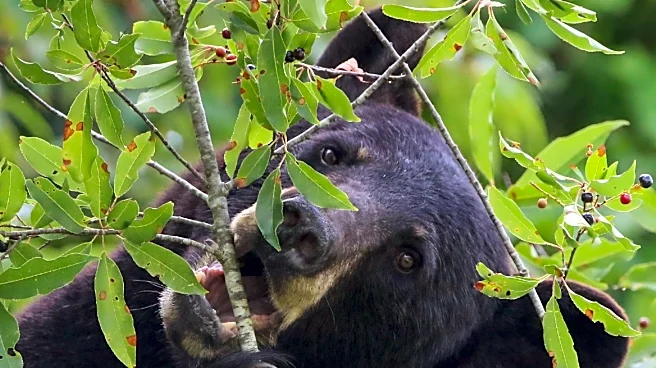










A new study by N.C. State University has found there to be less genetic diversity among North Carolina's coastal bear population than its mountain bears.
While the research does raise some red flags over the long-term dangers posed by too much inbreeding, biologists hope to use the information to better manage the state's growing bear population and take steps to help protect and potentially increase the ability of bears to mingle and associate with other distinct populations.
"This work shows that genome-wide data of wildlife populations can reveal population structure, demographic history, and emerging connectivity concerns that may not be apparent from census size or management boundaries alone,” said Dr. Matthew Breen, a geneticist atN.C.
State’s College of Veterinary Medicine.

Beach bears?
Unless you're a farmer or a hunter, it might come as a surprise to find out that more black bears live in the state's coastal plain than in the higher elevations of Western N.C., where the Appalachians rise up and Great Smoky Mountain National Park is the nation's most popular national park − and Ursus americanus is its unofficial mascot.
The ability of the bear to bounce back in the state is one of North Carolina's great wildlife success stories.
Unregulated hunting and loss of habitat led to bears being driven into the most isolated pockets of swamp forests and mountain areas for most of last century. But starting in the 1970s with the establishment of bear sanctuaries, strict management strategies, and educating the public about the state's omnivorous residents, bear numbers have surged back.
Today, more than 20,000 bears are estimated to roam North Carolina, and more than half are in the eastern part of the state.
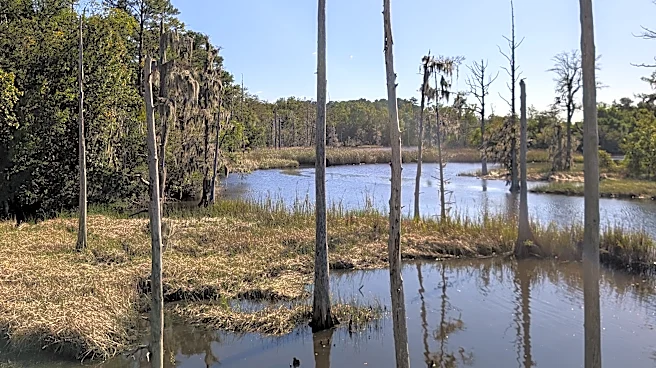
Coastal North Carolina also is home to some of the largest black bears in the world, thanks to an ample food supply of farmers' crops, a relatively mild climate and many large protected areas − like state game lands such as Holly Shelter in Pender County and national wildlife refuges like Alligator River near the Outer Banks − that offer the bears valuable habitat.
Challenging environment
While an ample food supply as made the state's flat coastal plain a bit of a buffet area for bears, challenges are increasing.
The popularity of coastal living means more people and animals struggling to share the same areas. The population of the Wilmington area's tri-county region, for example, is projected to jump from roughly 423,000 in 2020 to nearly 750,000 in 2050.
Like alligators, whose population also is increasing, coastal bear and human interactions are increasing − with bears often ending up second best.
Their habitat also is getting splintered, with increasing areas isolated or offering limited connectivity to other bear populations. That isn't as much a problem in the mountains, where geography often limits development to valleys and flat areas and bears have more of a chance to wander and mix with other bear populations in the Appalachians − in effect creating interstate relationships.
“Coastal bears are running out of usable habitat, so there is evidence of potential isolation into breeding neighborhoods where they may not have access to every individual within the (coastal bear management unit), resulting in inbreeding and genetic fragility," said Isabella Livingston, a post-doctoral researcher at N.C. State's vet school and one of the study's lead researchers.

Is less genetic diversity bad?
While the testing of nearly 80 bears found less genetic diversity among coastal bears even though there are more of them than mountain bears, state biologists don't see it as a major concern right now.
Although hemmed in by the ocean on one side and the rapidly growing cities in North Carolina's Piedmont region west of Interstate 95 on the other, the state's coastal bear population is stable and growing.
Dr. Heather Evans, conservation genetics manager with the N.C. Wildlife Resources Commission, said while something to note and keep an eye on, the low genetic diversity is likely in part due to the bear population's struggles last century.
"I think, given the genetics combined with what we know about their history, what they are detecting is a population rebound with lingering historical signatures from a population collapse," she said.
But geographic constraints and habitat fragmentation means there could be long-term concerns over connectivity between the coastal bear population as a whole and local population clusters within the region.
"Conservation strategies in the (coastal bear management unit) should therefore prioritize maintaining and restoring functional connectivity among forested and wetland-associated habitats, reducing road mortality, and protecting movement opportunities across increasingly developed landscapes," the study states.
The research paper was published in the online science journal Genes in late September 2026.

How will a warming climate impact bears at the coast?
Fragmented habitats and a growing human population aren't the only challenges N.C. coastal bears face.
As warmer weather thanks to climate change becomes the norm, North Carolina's coastal black bear might start to mimic behavior patterns of bears in other Southern states that already deal with a hotter, year-round climate. That's means less or even no winter hibernation.
According to the N.C. State Climate Office, five of North Carolina's top six warmest years have happened since 2016, and each year in the past decade ranks among the top 22 warmest on record dating back to 1895.
Female bears at the coast have generally been recorded hibernating longer than males, and will give birth during their hibernation, only waking up and emerging with her cubs in the spring when they are able to walk and feed on solid food. Males may den for short periods, but may also exhibit lethargic behavior during the winter if they stay awake.
But with climate change heating things up, that could mean shorter, or no, hibernation for male bears in the state, increased pressure on winter food supplies, and a greater chance of human-bear conflicts as both species share the same space for longer periods of time.
Reporter Gareth McGrath can be reached at GMcGrath@usatodayco.com or @GarethMcGrathSN on X/Twitter. This story was produced with financial support from Journalism Funding Partners. The USA TODAY Network maintains full editorial control of the work.
This article originally appeared on Wilmington StarNews: More NC bears live at the coast, but genetics reveal hidden risks | Exclusive